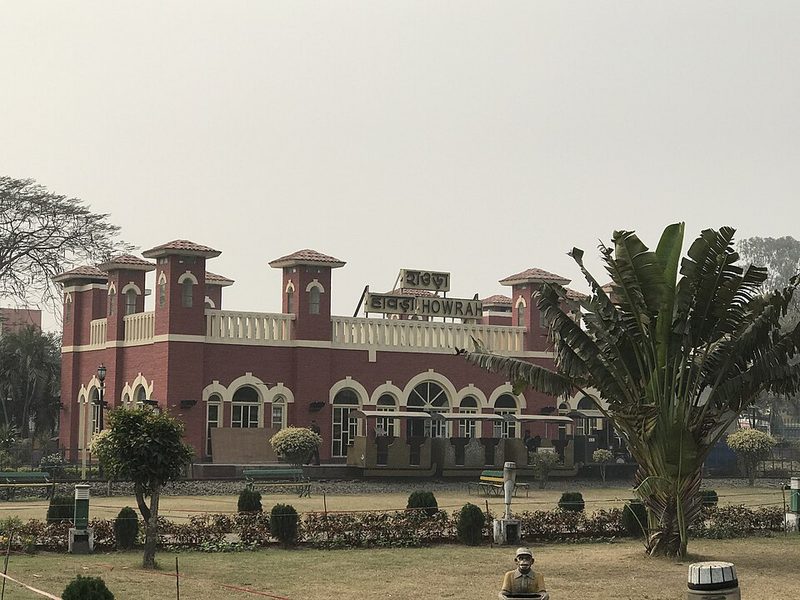
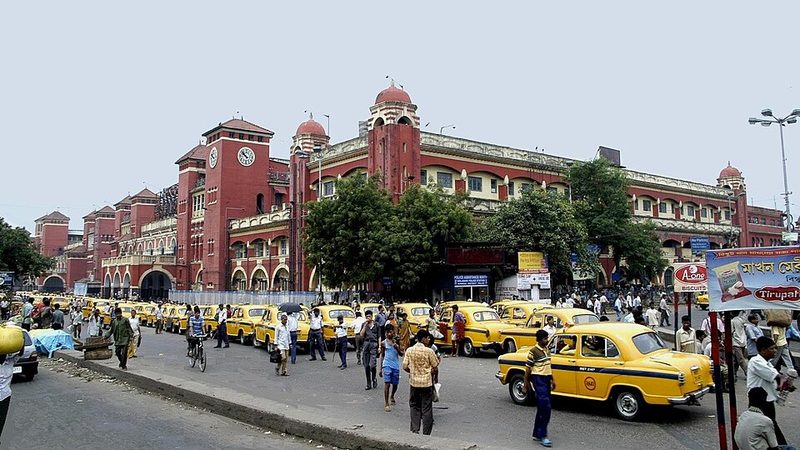
The Rail Museum Howrah, established in 2006, documents the history and heritage of railways in eastern India with particular focus on Howrah railway station and the broader development of rail transport in the region. Located adjacent to Howrah Junction—approximately five minutes' walk from the new terminal building—the open-air museum provides accessible context for one of India's most important railway hubs. The collection includes locomotives, rolling stock, documents, and railway artifacts spanning 150 years of operations, creating a tangible record of how railways shaped eastern Indian economic and social life.
Collection and Exhibits
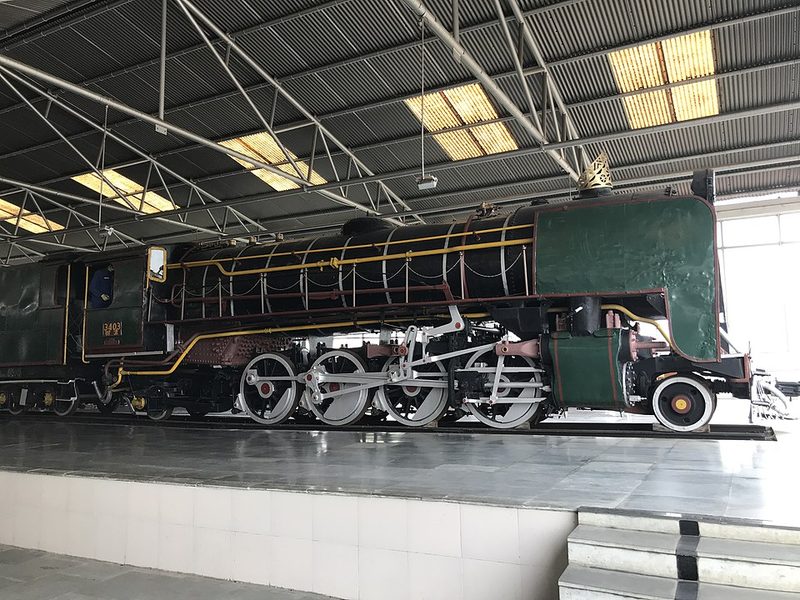
The museum's outdoor display features heritage locomotives, coaches, wagons, and railway equipment, allowing visitors to examine full-scale examples of historical rolling stock. Among the notable pieces are the first broad gauge electric locomotive built in India, a WCM-5; the Indraprastha, claimed to be the oldest remaining Indian Railways shunting locomotive; and steam locomotive HPS-32, captured during the Indo-Pakistani War of 1971. This Pakistani Railway steam locomotive represents an unusual piece of military and railway history, documenting the intersection of conflict and infrastructure.
The collection extends beyond locomotives to include salon cars, carriages, and various items of railway equipment such as a steam roller used in railway construction and maintenance work. The outdoor arrangement allows close examination of the engineering details and physical scale of these machines, providing insight into the technical evolution of rail transport over more than a century of operations.
Documentary and Archival Material
Indoor galleries house old and rare drawings, forms, documents, and a philatelic collection related to railways. These archival materials offer detailed documentation of railway administration, technical specifications, and operational practices from different periods. The pictorial histories on display cover the East Central Railway Zone (ECR), South Eastern Railway Zone (SER), North-East Frontier Railway Zone (NFR), and the Kolkata Metro Railway, providing regional context for how different railway systems developed across eastern and northeastern India.
A miniature model of Howrah Railway Station is displayed within the museum, offering visitors a scaled overview of the station's layout and helping to orient those who may be using the actual station for onward travel. This practical element bridges the museum's historical documentation and the lived experience of contemporary rail passengers navigating one of India's busiest terminals.
Educational Role and Visitor Experience
The museum aims to provide an enriching and informative experience, functioning as an educational resource for both railway enthusiasts and general visitors interested in understanding how railways transformed eastern India. The open-air format makes it accessible and relatively easy to navigate, with the outdoor exhibits visible from pathways that allow circulation around the displayed equipment.
For children and families, the museum offers engagement with physical artifacts rather than abstract historical information—the opportunity to see actual locomotives and carriages creates tangible connections to railway history. A toy train located near the museum provides rides, adding a recreational element that complements the educational focus of the main collection.
Practical Information
The Rail Museum Howrah is open six days per week, closed on Mondays. Operating hours run from 10:00 AM to 5:30 PM. An entry fee of ₹10 per person is charged, making it an affordable visit for budget-conscious travellers. The location adjacent to Howrah Junction makes it particularly convenient for rail passengers with layovers or those arriving in HÄora by train and seeking a brief cultural activity before continuing onward.
The museum's establishment in 2006 reflects broader efforts by Indian Railways to preserve and present railway heritage, paralleling similar institutions in other major railway centres across India. For HÄora specifically, the museum provides a rare visitor-focused cultural institution in a city where tourism infrastructure remains limited compared to nearby Kolkata. The focus on local railway history creates relevance for understanding HÄora's development, given that the 1854 establishment of the railway terminus fundamentally shaped the city's subsequent growth and character.
Context Within HÄora's Heritage
The museum's location and subject matter directly address HÄora's identity as a railway city. The history documented here is inseparable from the broader urban history of HÄora itself—the arrival of the East Indian Railway, the construction of increasingly elaborate station buildings, and the concentration of engineering works and industrial activity that grew around the railway hub. For visitors seeking to understand what makes HÄora historically and economically significant, the Rail Museum provides concentrated evidence and explanation within a manageable visit of one to two hours.
The museum's contribution to the local tourism sector remains modest but real. It represents one of the few dedicated cultural institutions in HÄora that caters specifically to visitors, and its proximity to the station creates natural synergies for travellers who might not otherwise allocate time to exploring HÄora beyond the necessity of changing trains or crossing the river to Kolkata.
Sources: Rail Museum, Howrah - Wikipedia • The Railway Museum - Howrah District Website • Rail Museum Howrah - Museums of India • Regional Rail Museum, Howrah - Google Arts & Culture