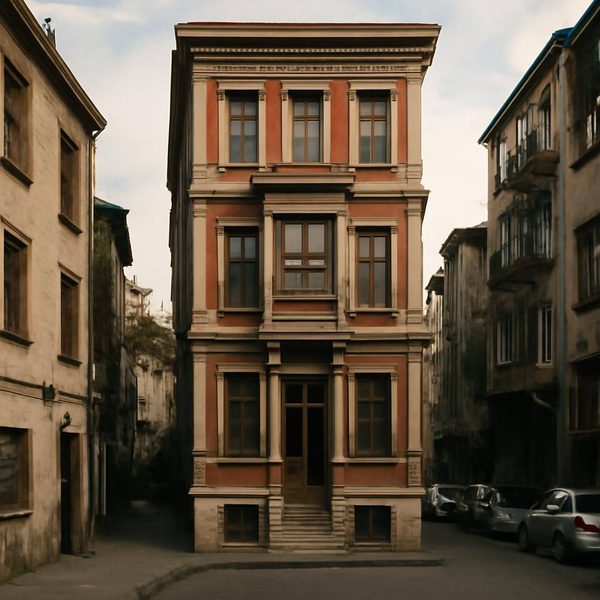
The Museum of Innocence occupies a 19th-century house in the Çukurcuma neighbourhood of Beyoğlu, created by Nobel Prize-winning novelist Orhan Pamuk as a companion to his 2008 novel of the same name. The museum and novel developed in tandem over several years, centred on the fictional stories of two Istanbul families during the latter half of the 20th century. Pamuk's project represents a rare fusion of literature, architecture, and curatorial practice—a physical manifestation of a literary work where the collected objects serve as both exhibition and narrative device.
The Collection and Display
The museum's four floors contain 83 glass display cases, each corresponding to a chapter of the novel. The protagonist, Kemal Basmaci, obsessively collects everyday objects connected to his beloved Füsun over an eight-year period. The most famous display contains 4,213 cigarette butts, each allegedly smoked by Füsun—a monument to obsessive devotion rendered in mundane detritus. Other cases hold collections of salt shakers, paintings and maps of Istanbul streets where the narrative unfolds, vintage advertisements, and personal effects that evoke the texture of mid-to-late 20th-century life in the city.
The displays avoid grand historical artefacts in favour of intimate domestic objects: buttons, keys, combs, photographs, drinking glasses. These items function as what Pamuk calls "memory objects," evoking the quotidian details of Istanbul life during a period of rapid modernisation. The top floor includes pages from Pamuk's manuscript alongside preliminary sketches for the display cases, revealing the careful orchestration behind what appears as spontaneous accumulation.
Location and Context
Çukurcuma sits between Tophane and Taksim in Beyoğlu, an area known for antique shops and independent galleries. The neighbourhood's character—aging buildings, narrow streets, accumulated layers of residential and commercial use—mirrors the museum's preoccupation with memory and everyday life. The building itself dates to 1897, a wooden structure typical of late Ottoman domestic architecture that survived the fires and demolitions that claimed many contemporaries.
According to the novel's conceit, the museum building is the house where Kemal lived while assembling his collection from 2000 to 2007. This blurring of fiction and reality extends to the visitor experience: those who bring a copy of the book receive free admission, and a ticket placed in the novel's 83rd chapter can be stamped upon entrance—a gesture that merges reading with physical pilgrimage.
Visiting Practicalities
The Museum of Innocence opens Tuesday through Sunday from 10:00 to 17:30 (last entry 17:00), closed Mondays and major religious holidays including the first days of Eid al-Fitr and Eid al-Adha, as well as 1 January. Admission fees as of recent reports stand at 400 Turkish Lira for adults and 280 TL for students, though visitors should verify current pricing before travel as these rates change. Tickets can be purchased at the entrance desk. Group visits require advance booking via email to the museum.
The museum sits within walking distance of Galata Tower and the lower reaches of İstiklal Avenue, making it easy to combine with exploration of Beyoğlu's main attractions. The intimate scale and concentrated nature of the displays mean visits typically last 45 minutes to an hour, though those familiar with the novel may linger longer decoding the correspondences between text and object.
Reception and Significance
Critics and visitors debate whether the Museum of Innocence functions as installation art, literary illustration, or ethnographic collection. Its strength lies precisely in this ambiguity—the way it uses personal obsession to map broader cultural history. The mundane objects Pamuk assembled document the material culture of a rapidly vanishing Istanbul, preserving details of domestic life that conventional museums overlook. At the same time, the elaborate fiction framing the collection—the invented love story, the imagined protagonist—keeps the museum from settling into straightforward documentary.
For visitors unfamiliar with Pamuk's work, the museum offers a portrait of late 20th-century Istanbul told through intimacy rather than monuments. For readers of the novel, it provides uncanny pleasure in encountering physical proof of fictional events. In both cases, the museum functions as Pamuk intended: not as a place of masterpieces but as a repository of memories, both personal and collective, that constitute a city's lived experience.
Sources: Museum of Innocence - Official Website • The Museum of Innocence (museum) - Wikipedia • Museum of Innocence - Istanbul Tour Studio