Fremont Street represents the original Las Vegas entertainment district, predating the Strip by decades. Located in downtown Las Vegas proper, this five-block pedestrian corridor preserves elements of mid-20th century casino architecture while hosting the Fremont Street Experience, a massive LED canopy that has redefined the street since the 1990s. The area known for years as "Glitter Gulch" remains the historic core where Las Vegas's gambling and entertainment identity first developed.
The Fremont Street Experience
The central feature is a barrel vault canopy spanning 90 feet high at its peak and extending approximately 1,375 feet in length across four blocks. The original canopy structure was built in the 1990s to revitalize downtown, but in 2004 it was upgraded with LED technology. The current system features 49 million LED lights capable of operating video shows even in daylight, covering approximately 130,000 square feet. The canopy functions as the world's largest video screen, displaying light and sound shows that run throughout the day and evening.
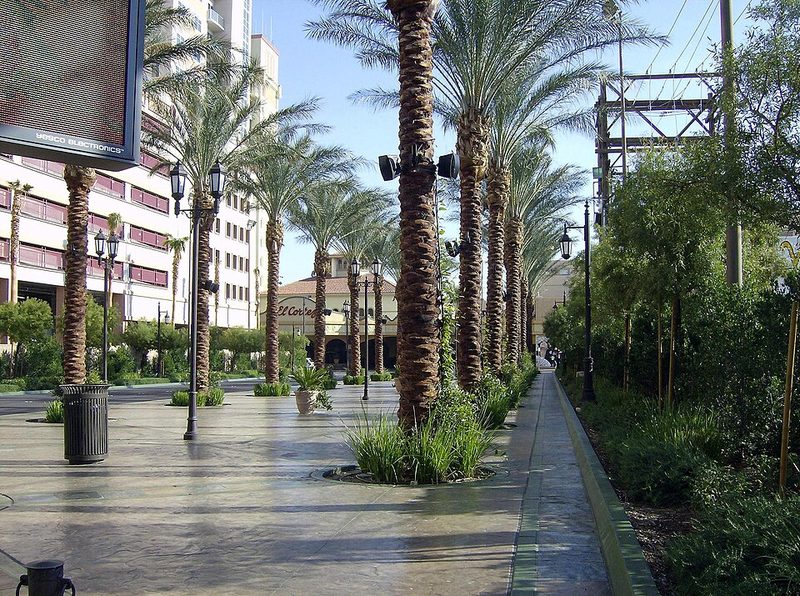
The pedestrian mall beneath the canopy hosts street performers, outdoor bars, and live music stages. The Experience operates as a free-access public space, contrasting with the enclosed, climate-controlled resort model dominant on the Strip. Visitors walk directly along the street, entering and exiting the historic casinos that line both sides.
Historic Casino Architecture
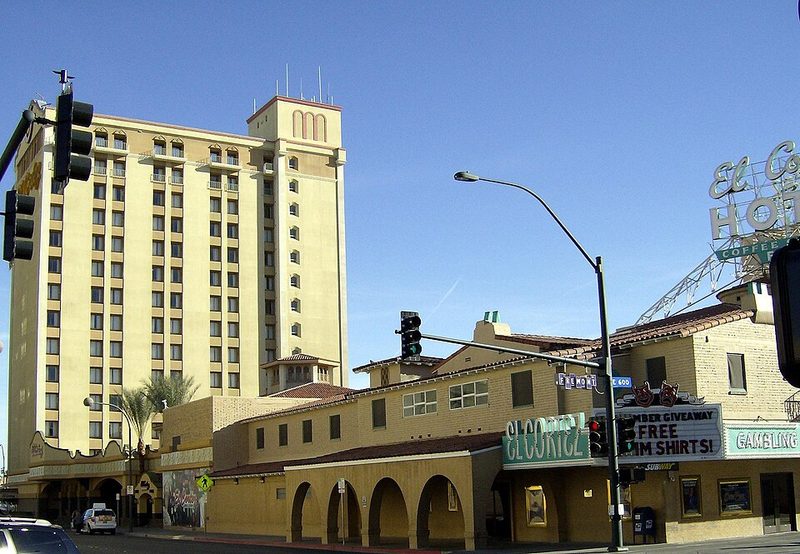
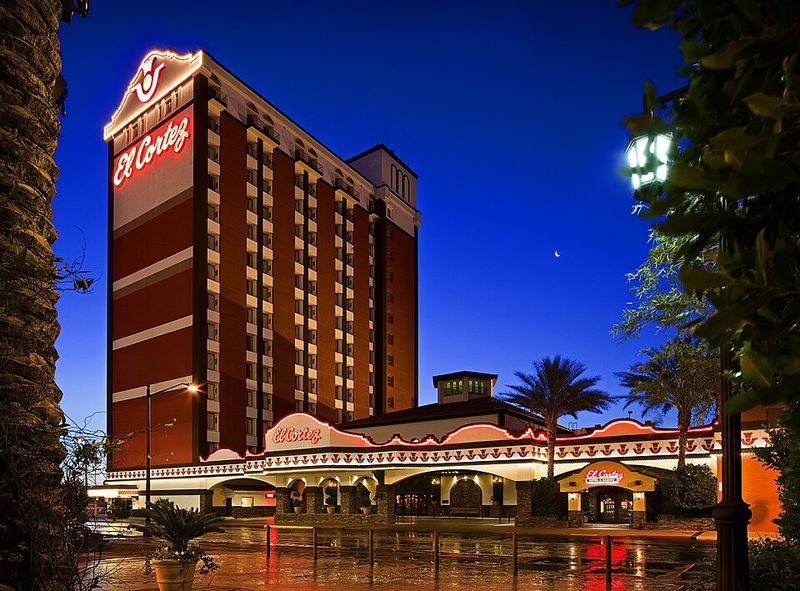
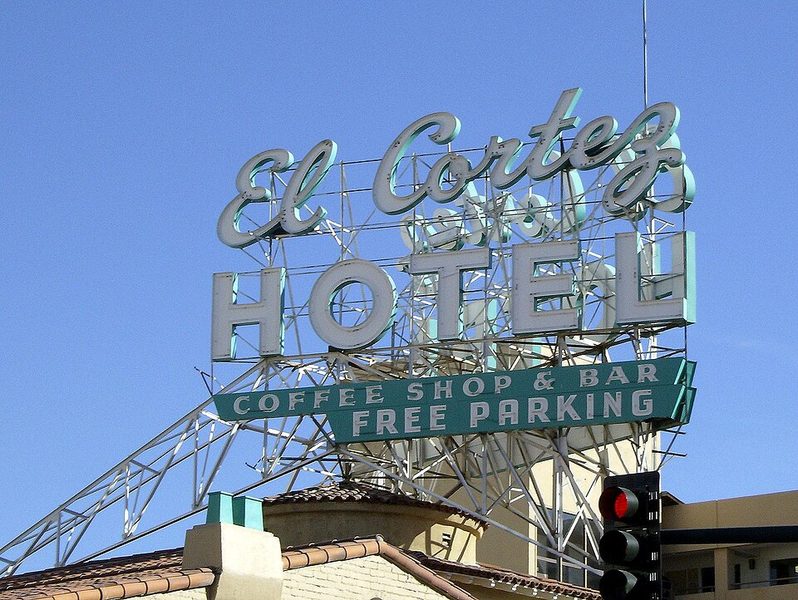
Fremont Street casinos retain architectural and design elements from Las Vegas's earlier eras. The Golden Nugget, Binion's, and the Fremont Hotel operate in buildings that date to the mid-20th century, though interiors have been updated. Vintage neon signage, though much of it now replaced or supplemented by LED screens, still appears on several facades. The scale of these establishments differs markedly from Strip mega-resorts: smaller footprints, more direct street access, and a denser concentration of gaming floors relative to other amenities.
The downtown casinos historically served both tourists and local residents, maintaining a different atmosphere than the increasingly upscale Strip properties. Gaming minimums tend to be lower, and the demographic mix broader. This reflects downtown's position as the working heart of Las Vegas rather than a purpose-built tourist zone.
Historical Development
Fremont Street was Las Vegas's first paved street and the location of the city's first traffic light. When gambling was legalized in Nevada in 1931, Fremont Street became the center of casino development. The Golden Nugget opened in 1946, and through the 1950s and 1960s, downtown Las Vegas was the primary destination for visitors. The Strip's rise in later decades shifted the city's center of gravity south, and by the 1980s downtown faced economic decline.
The Fremont Street Experience canopy project, completed in phases starting in the mid-1990s, represented a deliberate effort to compete with Strip resorts by creating a distinct pedestrian entertainment environment. The strategy succeeded in stabilizing the area, though downtown retains a noticeably different character: older building stock, more visible street life, and a grittier urban texture.
Visiting Downtown
Downtown Las Vegas sits several kilometers north of the main Strip resort corridor. The area is accessible by car, taxi, or public transit, though visitors should verify current transportation options. The Fremont Street Experience operates continuously, with the LED canopy shows running on a schedule throughout the day and evening—visitors should check current show times locally rather than relying on published schedules, as programming changes.
The pedestrian mall environment means walking is the primary way to move between casinos and attractions within the downtown core. The surrounding blocks contain additional bars, restaurants, and the Arts District, though the density and character shift quickly once outside the immediate Fremont Street corridor. Downtown offers an alternative to the Strip for visitors interested in Las Vegas's earlier history and a less curated urban environment.
Sources: Fremont Street Experience - Wikipedia • Fremont Street Experience Official Site • Travel Nevada - Fremont Street Experience