

What Las Vegas is known for
The desert sun reflects off glass towers while neon signs pulse against the night sky—Las Vegas is a city built on transformation, where 641,903 residents live in what was once a small rest stop in the Nevada sand. Today it operates as a major international resort destination where gambling, entertainment, and reinvention define both the skyline and the local character. Visitors arrive by the millions, but behind the casinos and spectacle sits a working city with deep roots and a pragmatic approach to survival in the high desert.
First Impressions and Setting
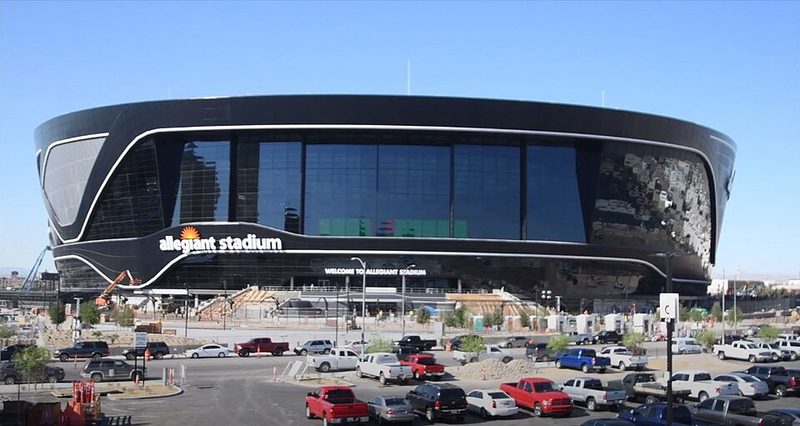
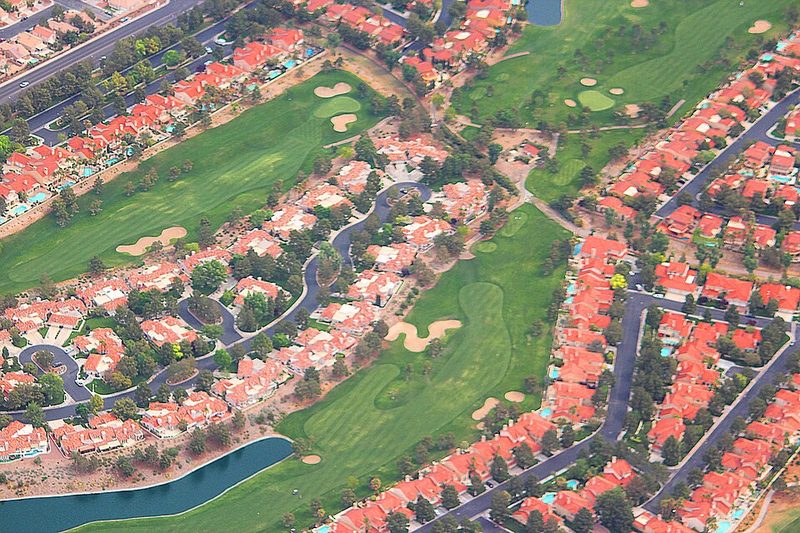
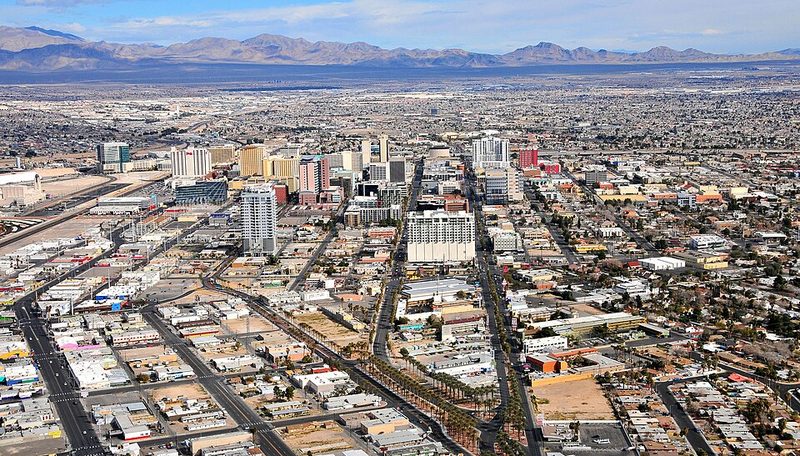
Las Vegas sits at 613 metres elevation on a flat desert plain in southeastern Nevada. The landscape is austere—mountains frame the valley, and the surrounding terrain is sparse. What makes Las Vegas visually distinctive is the concentration of resort architecture, much of it built in a dense corridor that extends along the famous Strip, technically located in the nearby unincorporated towns of Paradise and Winchester rather than inside the city limits itself. Downtown Las Vegas, the historic core, has a different character: older buildings, vintage neon signage, and a street-level energy that reflects the city's mid-20th-century identity.
The climate is hot and dry, with the sun dominant. Visitors often notice the shock of stepping from air-conditioned interiors into intense heat, and the low humidity means the desert landscape feels both open and harsh. Water remains a constant underlying concern in a city this large in an arid region, shaping infrastructure and development decisions in ways residents navigate daily.
History and Development
Las Vegas was originally inhabited by Native American tribes before Spanish traders visited the area in the early 1700s. The city's recorded modern history begins as a vital rest stop for 19th-century settlers moving west. The turning point came in 1931 when Nevada legalised gambling—a decision that transformed a small desert town into a different kind of destination altogether. The post-World War II era brought iconic resort development, with venues like the Flamingo establishing the pattern of themed, large-scale casino resorts that would define the Strip.
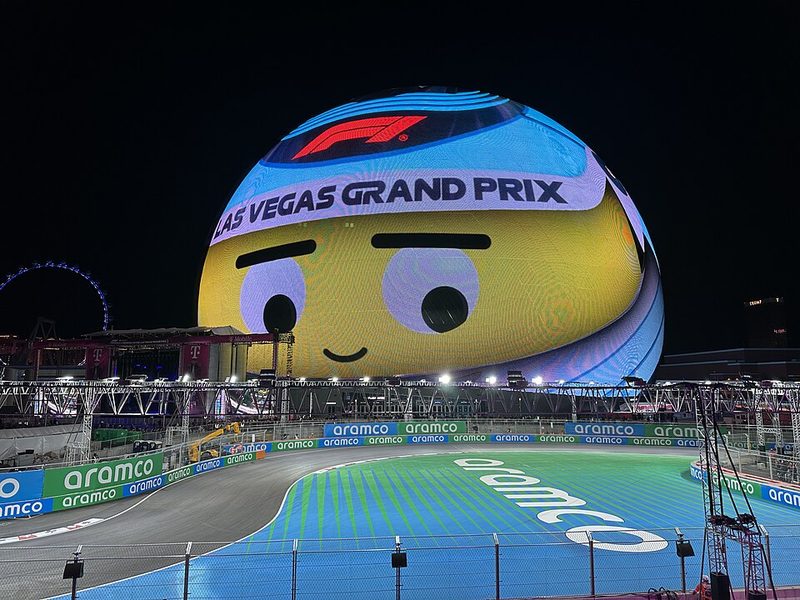
The city was officially incorporated in 1911, but its real acceleration came after legalisation. For decades, Las Vegas carried the label "Sin City", reflecting its reputation as a place where traditional social rules seemed suspended. From the mid-to-late 20th century onwards, the city consciously shifted its image towards family-friendly attractions, theme resorts with non-gaming amenities, and diversified entertainment. This evolution continues: recent decades have seen investment in arts and culture, artist residencies, and modern attractions like the Las Vegas Sphere, a massive digital entertainment venue completed in the 21st century.
Daily Life and Economy
Tourism remains the primary economic driver. The casinos and resorts that line the Strip generate enormous revenue, but they do not represent the entire economy. The region has been positioning itself as a hub for business innovation, with emerging target industries including healthcare and biotech, advanced manufacturing, clean technology, fintech, and sports technology. Competitive corporate tax rates and business-friendly regulations have attracted startups and established firms alike.
For residents, Las Vegas is a working city where the casino and hospitality industries provide employment, but also where schools, hospitals, and municipal services function like those in any other major American urban area. The University of Nevada, Las Vegas (UNLV), located in nearby Paradise, serves as a research and educational anchor. University Medical Center of Southern Nevada operates as the county's government hospital, providing essential healthcare to the region.
Entertainment and gaming culture are deeply embedded in the city's identity, but increasingly this coexists with investment in museums, cultural programming, and arts initiatives. The Nevada State Museum, Las Vegas, located on the Las Vegas Springs Preserve campus, documents the region's natural and cultural history. The city's cultural calendar and visitor attractions have diversified well beyond gaming floors.
The Strip and Downtown
The visual landscape of the Strip—the resort corridor outside city limits—dominates the visitor experience. Themed architecture, elaborate lobbies, and high-end dining and shopping concentrate here. Downtown Las Vegas presents a different character: the older historic core where neon signage, vintage buildings, and street-level activity create an alternative atmosphere. Visitors often move between these zones, each offering a distinct feel of the city.
The desert setting is immediately apparent. Mountains are visible from many vantage points within the valley. The aridity, the intensity of daylight, and the 24-hour nature of the casino and entertainment culture create an environment unlike most American cities. Many visitor attractions and points of interest sit outside the city proper—including UNLV's campus and Battlefield Vegas, a shooting range and military museum located off the Strip in Winchester.
Safety and Recent Context
In January 2025, a Tesla Cybertruck carrying an improvised explosive device detonated outside a resort in Paradise, resulting in fatalities and injuries. The incident reflects the broader reality that Las Vegas, like all major urban centres, faces security challenges and the potential for violent acts. Local and federal authorities responded to the event. This incident is part of the larger context of urban safety considerations that any major city population must navigate.
Getting There and Around
Las Vegas is accessible by air, with commercial aviation serving the region. The city's position in southern Nevada makes it reachable by road from California, Arizona, and Utah. Specific details on airports, bus terminals, and local transportation services should be verified directly with current sources, as operational details and service routes change.
Practical Notes
Las Vegas operates on Pacific Time. Visitors should prepare for the desert climate and intense sun. The city's 24-hour culture and bright lighting at night reflect its entertainment identity. Information about specific services, accommodations, dining, attractions, and current events is best obtained from official visitor sources and local tourism websites.
Neon Museum and the Boneyard
The Neon Museum in downtown Las Vegas preserves more than 250 rescued neon signs from the city's casinos, motels, and businesses. The main attraction, the Neon Boneyard, displays these signs across nearly two acres, with 25 restored signs remaining continuously lit and over 250 unrestored pieces illuminated by ground lighting at sunset. Each sign documents a specific chapter in Las Vegas history—from early legal gambling era establishments to late 20th century themed mega-resorts.
Beyond the Boneyard, the museum operates an Urban Gallery along Las Vegas Boulevard, where eight restored vintage signs have been reinstalled as part of the Las Vegas Boulevard Signs Project, one of only three Urban National Scenic Byways in the United States. The museum requires advance booking for guided tours. The outdoor desert setting means visitors should prepare for intense sun or cooler evening temperatures depending on visit time.
Read the full Neon Museum and the Boneyard guide
Sources: Neon Museum - Neon Boneyard • The Neon Museum - Wikipedia • Travel Nevada - Neon Museum
Fremont Street and Downtown Las Vegas
Fremont Street is Las Vegas's original entertainment district, predating the Strip and representing the historic core where the city's gambling identity first developed. The five-block pedestrian corridor now features the Fremont Street Experience, a massive barrel vault canopy 90 feet high and 1,375 feet long, equipped with 49 million LED lights creating the world's largest video screen. The canopy, upgraded in 2004, displays light and sound shows throughout the day and evening over a free-access pedestrian mall.
Historic casinos including the Golden Nugget, Binion's, and the Fremont Hotel operate in mid-20th century buildings along the street, retaining architectural elements from earlier eras. Downtown casinos maintain lower gaming minimums and a different atmosphere than Strip mega-resorts, reflecting the area's role as the working heart of Las Vegas. The district sits several kilometers north of the main Strip corridor and offers visitors an alternative perspective on the city's development and character.
Read the full Fremont Street and Downtown Las Vegas guide
Sources: Fremont Street Experience - Wikipedia • Fremont Street Experience Official Site • Travel Nevada - Fremont Street Experience
Red Rock Canyon National Conservation Area
Red Rock Canyon National Conservation Area sits 24 kilometers west of Las Vegas, protecting 195,000 acres of dramatic red sandstone formations, desert ecology, and Spring Mountains escarpment. Managed by the Bureau of Land Management, the area's primary access is a one-way 13-mile scenic drive with overlooks and trailheads. Since 2021, a timed entry reservation system operates during peak periods, requiring advance booking through Recreation.gov.
The conservation area offers more than 30 miles of hiking trails, from short walks to strenuous full-day routes including popular Calico Tanks and challenging Bridge Mountain. Rock climbing is a major activity with hundreds of established routes. The visitor center provides interpretation, maps, and current conditions. Summer temperatures exceed 38°C, making spring (March-May) and autumn (October-November) the preferred seasons. Visitors should bring water, sun protection, and supplies as no services exist within the area.
Read the full Red Rock Canyon National Conservation Area guide
Sources: Red Rock Canyon National Conservation Area - BLM • Red Rock Canyon - Wikipedia • Red Rock Canyon Official Website • Recreation.gov - Red Rock Scenic Drive Timed Entry
Fremont Street Experience
The Fremont Street Experience is a five-block pedestrian mall in downtown Las Vegas centered on a massive LED canopy 90 feet high and 1,375 feet long. Upgraded in 2004, the canopy features 49 million LED lights covering 130,000 square feet, functioning as the world's largest video screen with light and sound shows visible even in daylight. The structure spans Fremont Street, the city's original entertainment district and historic center of gambling since Nevada legalized casinos in 1931.
The open-air pedestrian zone operates 24 hours with free public access, hosting outdoor bars, live music stages, street performers, and historic casinos including the Golden Nugget, Binion's, and the Fremont Hotel. The atmosphere differs markedly from the Strip: denser, more street-level, with lower gaming minimums and a demographic mix of tourists and locals. The Experience represents a 1990s revitalization effort that stabilized downtown Las Vegas after decades of decline as the Strip rose to dominance.
Sources: Fremont Street Experience - Wikipedia • Fremont Street Experience Official Site • Travel Nevada - Fremont Street Experience