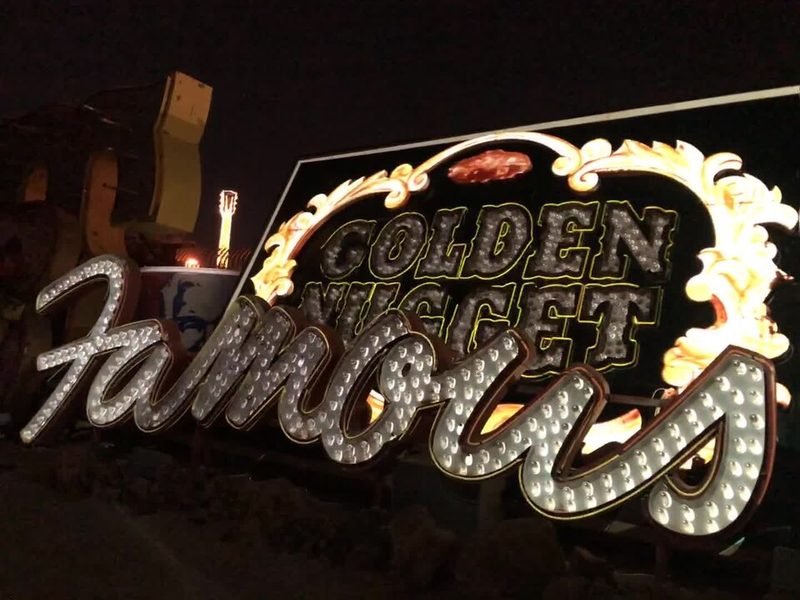
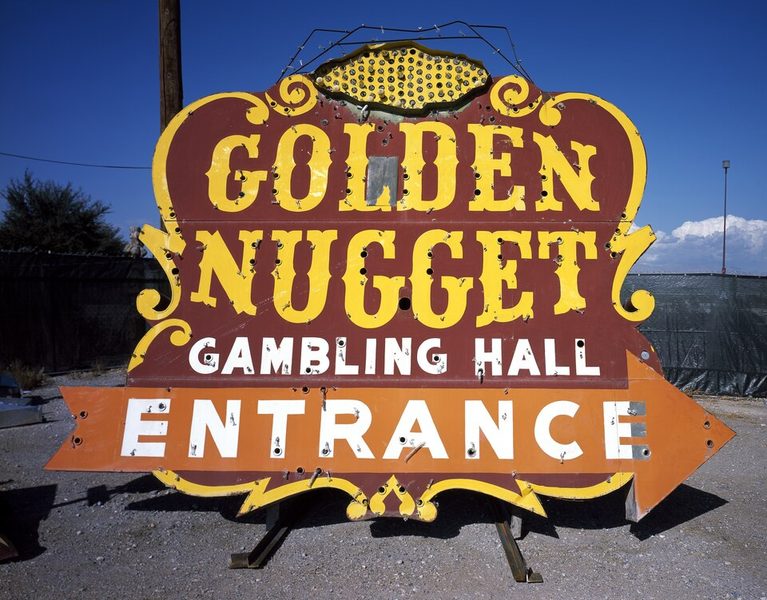
The Neon Museum preserves the visual history of Las Vegas through rescued neon signs that once lit the city's casinos, motels, and businesses. Located in downtown Las Vegas, the museum's main attraction is the Neon Boneyard, an outdoor collection spanning nearly two acres where more than 250 signs stand as artifacts of the city's transformation from desert outpost to entertainment capital.
The Boneyard Collection
The Main Boneyard contains more than 250 unrestored signs illuminated at sunset with ground lighting, alongside 25 restored signs that remain lit continuously. Each sign represents a specific moment in Las Vegas history—the personalities who commissioned them, the designers and craftspeople who built them, and the establishments they advertised. Visitors walk among oversized letters, neon tubing, and elaborate structures that once competed for attention along the Strip and throughout the city.
The collection includes signs from demolished casinos, closed restaurants, and vanished motels. Some date to the early days of legal gambling in Nevada, while others represent the themed mega-resort era of the late 20th century. The scale of individual pieces varies dramatically: some signs tower several metres high, while smaller examples represent neighbourhood businesses that served local residents rather than tourists.
The Urban Gallery
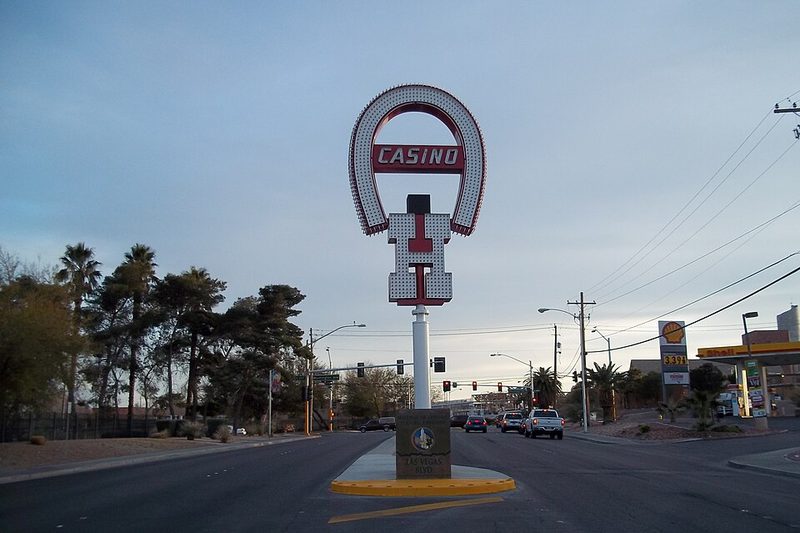
Beyond the Boneyard itself, the Neon Museum operates an Urban Gallery along Las Vegas Boulevard. Eight restored vintage signs have been reinstalled along this stretch of road, creating what the museum describes as part of the Las Vegas Boulevard Signs Project—one of only three Urban National Scenic Byways in the United States. This outdoor exhibition allows visitors to see restored neon in its original context: illuminated along a major thoroughfare.
Historical Context and Preservation
The museum began as what sources describe as a retirement village for defunct neon signs. Las Vegas generated an enormous volume of signage during its mid-to-late 20th century growth, and the city's habit of demolishing and rebuilding created a steady stream of displaced signs. The Neon Museum's rescue and preservation work documents a distinctly American form of commercial art—neon craftsmanship applied to the specific task of attracting customers in a competitive desert entertainment market.
The signs themselves reflect changing architectural styles, shifting ownership, and evolving marketing strategies. Some represent establishments that operated for decades; others advertised businesses that failed quickly. Together, they form a physical archive of Las Vegas's economic and cultural development.
Visiting the Museum
The Neon Museum requires advance booking for guided tours of the Boneyard. The outdoor setting means visitors should prepare for desert conditions—intense sun during daylight hours and cooler temperatures after dark. Evening visits offer the advantage of seeing illuminated signs against a dark sky, closer to how they originally functioned. The museum's location in downtown Las Vegas places it outside the main Strip resort corridor, reflecting the institution's focus on the city's broader history rather than current tourist infrastructure.
The Boneyard Park sign at the museum entrance is itself a vintage piece, an appropriately nostalgic marker for the collection beyond. Visitors interested in Las Vegas history beyond gaming floors will find the museum offers tangible evidence of the city's visual evolution and the craftsmanship behind its distinctive streetscape.
Sources: Neon Museum - Neon Boneyard • The Neon Museum - Wikipedia • Travel Nevada - Neon Museum