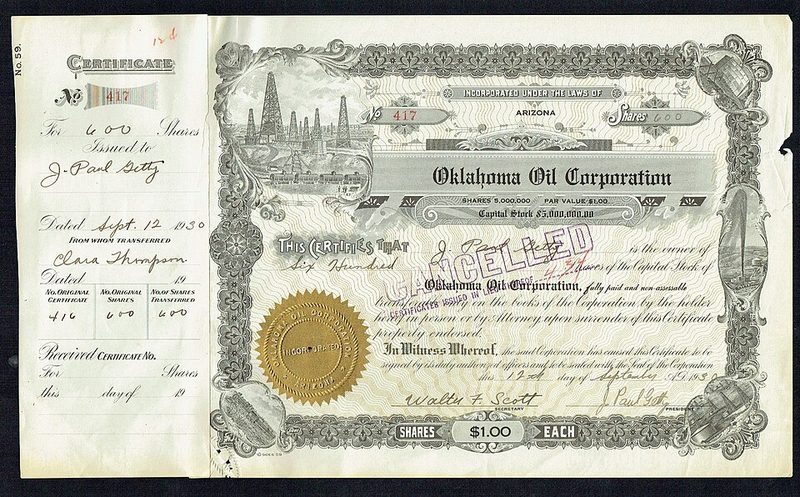
Los Angeles hosts two campuses of the J. Paul Getty Museum, both offering free admission and distinct collections. The Getty Center sits on a hilltop in Brentwood, whilst the Getty Villa occupies a coastal location in Pacific Palisades. Together they represent one of the wealthiest art institutions in the world, built from the fortune of oil magnate J. Paul Getty, who bequeathed the bulk of his estate to the museum upon his death in 1976.
The Getty Center
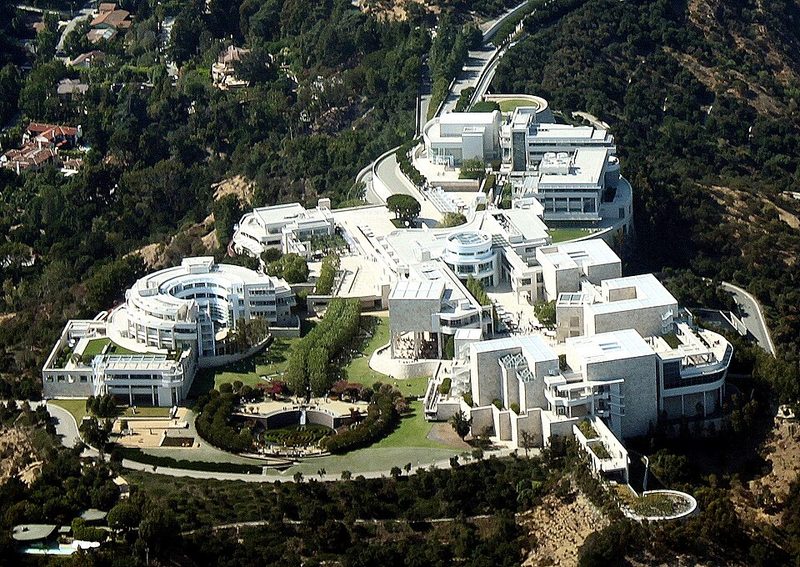
The Getty Center opened in 1997, designed by architect Richard Meier, who had won the Pritzker Architecture Prize shortly before receiving the commission. The modernist complex sits in Brentwood off Interstate 405, accessed by a tram that climbs the steep California hillside from the arrival plaza. The architecture itself has become as much a draw as the collections, with Meier's distinctive white travertine cladding and geometric forms creating spaces that integrate with surrounding gardens and offer views across Los Angeles.
The collection spans European art from the Middle Ages to the early 20th century, distributed across five pavilion buildings. Four buildings house the permanent collection, whilst part of a fifth contains rotating exhibitions. Holdings include paintings, drawings, illuminated manuscripts, sculpture, decorative arts, and an extensive photography collection. The breadth means visitors can encounter medieval illuminated manuscripts, Renaissance paintings, French decorative arts, and 19th-century photographs within a single visit.
Admission is free, though parking carries a fee of $25 per car or motorcycle, reduced to $15 after 3pm. The Getty Center is closed Mondays but operates from 10am to 5:30pm on other days, with extended hours until 8pm on Saturdays. Parking fees are cashless, accepting major banking and credit cards. The museum recommends making advance reservations, particularly during peak periods.
The Getty Villa
The Getty Villa predates the Getty Center, originally serving as J. Paul Getty's personal museum when it opened in the 1970s. The building replicates an ancient Roman country house, creating an architecturally appropriate setting for its specialised collection of ancient Greek, Roman, and Etruscan antiquities. The collection contains 44,000 objects dating from 6,500 BC to 400 AD, making it one of the most significant assemblages of classical antiquities in North America.
The Villa sits in Pacific Palisades off Pacific Coast Highway, separated from the Getty Center by several miles. This coastal location reinforces the Mediterranean character of both the architecture and the collection. The building's design as a recreation of the Villa dei Papiri at Herculaneum provides an immersive historical context that distinguishes it from conventional museum spaces.
Access to the Getty Villa requires a free timed-entry reservation, which can be made online or by calling (310) 440-7300. Parking costs match those at the Getty Center. The Villa is closed on Tuesdays but otherwise operates from 10am to 5:30pm. Evening events may offer reduced parking rates of $10 after 6pm.
Visiting Both Sites
The two Getty sites are not within walking distance of each other and require separate visits. The Getty Center serves as an educational centre and museum dedicated to European art, whilst the Getty Villa focuses exclusively on classical antiquities. Both locations benefit from the Getty Trust's substantial endowment, which supports not only the museums but also the Getty Research Institute and Getty Conservation Institute. Visitors planning to see both should allocate separate days or half-days, as each site offers several hours of material for those interested in the collections and architecture.
Sources: Visit Our Museums - Getty • Visit the Getty Villa - Getty • Visit the Getty Center - Getty