The Louisville Slugger Museum & Factory at 800 West Main Street occupies a prominent position in downtown Louisville's Museum Row, marked by a 37-metre steel baseball bat leaning against the building's facade—reportedly the world's largest bat. The facility combines a working factory where Louisville Slugger bats are still manufactured with museum exhibits tracing the history of Hillerich & Bradsby Company and its role in American baseball culture since the 1880s.
Origins and History
The story begins in 1884 when J.A. "Bud" Hillerich, son of woodworker J.F. Hillerich, attended a Louisville Eclipse baseball game and watched star player Pete Browning break his bat. Hillerich offered to make a replacement, and Browning collected three hits the next day with the new bat. Word spread amongst his teammates, creating demand for Hillerich's custom bats. What started as a side project for the family's woodworking business—established in 1864—grew into a specialised bat manufacturing operation.
The company became Hillerich & Bradsby in the early twentieth century and moved to its current Main Street location in 1996. The facility serves dual purposes: actual bat production for professional and amateur players continues in the factory portion, whilst the museum and tour operation occupies adjacent space. This arrangement allows visitors to observe the manufacturing process in action rather than viewing static historical displays alone.
The Factory Tour
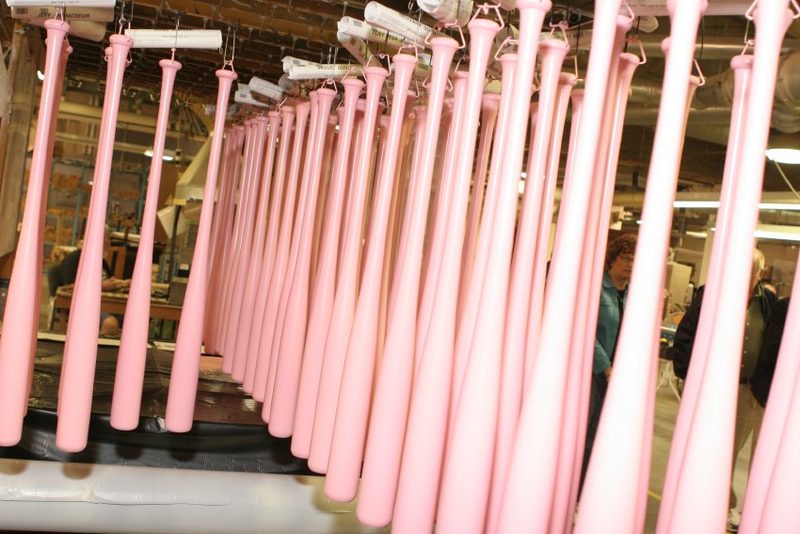
Guided tours take visitors through the working factory floor where Louisville Slugger bats are crafted. The manufacturing process visible during tours includes the selection of ash and maple wood billets, the turning process on computer-guided lathes that shape the bat to precise specifications, and the finishing steps of sanding, branding, and lacquering. Professional players' bats are customised to individual measurements and preferences, with each player's specifications kept on file.
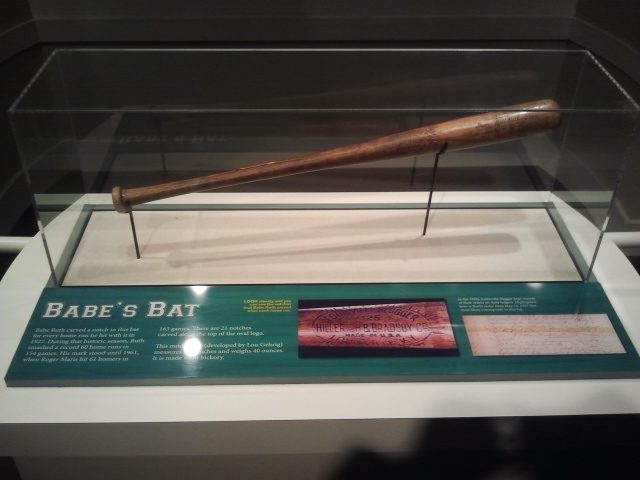
Tours conclude with each visitor receiving a miniature souvenir bat. The experience includes access to interactive exhibits where visitors can hold bats used by famous players including Babe Ruth and Derek Jeter, test their swing speed, and learn about the physics of hitting. The museum portion traces baseball history alongside the company's evolution, displaying historical equipment, advertising materials, and artefacts from different eras of the sport.
Location and Context
The museum sits on the corner of 8th and Main in Louisville's West Main District, part of the Museum Row concentration that includes the Muhammad Ali Center, Frazier History Museum, and Kentucky Science Center within walking distance. This clustering of cultural institutions in downtown Louisville makes the area accessible for visitors exploring multiple attractions in a single outing.
Hillerich & Bradsby continues to produce bats for Wilson Sporting Goods, which markets them under the Louisville Slugger brand. The company's wartime history includes producing wooden rifle stocks and baseball bats for American troops during World War II, marking the first time women worked in the factory. After the war, Louisville Slugger resumed its focus on baseball and softball equipment, maintaining its position as one of the most recognisable brands in American sports.
Visiting Information
The museum operates year-round with guided factory tours departing at regular intervals. Visitors should check current schedules and book tickets in advance, particularly during summer months and school holiday periods when tour capacity fills quickly. The facility offers combination tickets with its sister attraction, Big Bat Bourbon, for visitors aged 21 and over interested in experiencing both Louisville's baseball and bourbon heritage.
The museum's downtown location places it within easy reach of hotels, restaurants, and other attractions along Main Street. Street parking and public car parks serve the area, though walking from nearby accommodations or using rideshare services avoids parking complications in the downtown core. The facility is accessible for visitors with mobility limitations, with lifts providing access to different levels of the museum.
Cultural Significance
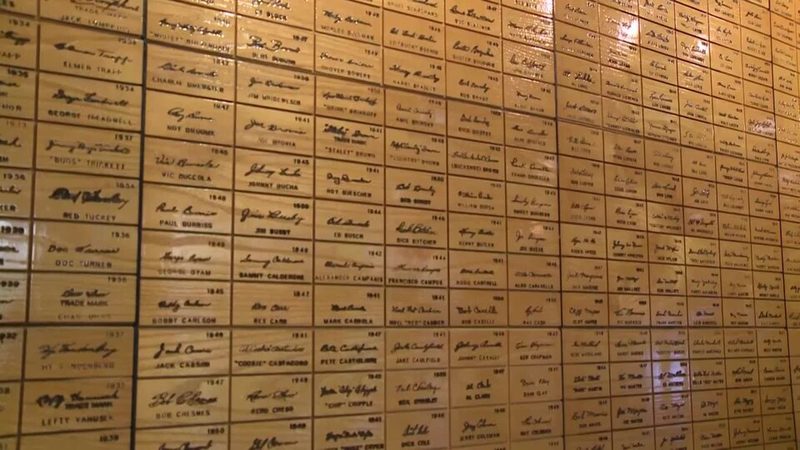
Louisville Slugger bats have been used by generations of professional baseball players, giving the brand cultural resonance beyond sports equipment. The museum's appeal extends to baseball enthusiasts who appreciate the connection between Louisville's manufacturing heritage and America's national pastime. For visitors with limited interest in baseball specifically, the factory tour demonstrates traditional woodworking techniques adapted to modern production demands, whilst the museum's interactive elements engage children and adults regardless of sports knowledge.
The giant bat outside serves as a recognisable landmark in downtown Louisville and a popular photograph location. Its visibility from blocks away helps orient visitors navigating the downtown area and signals the concentration of cultural attractions along Main Street's Museum Row.
Sources: Louisville Slugger Museum & Factory • Louisville Slugger Museum - Wikipedia • Our History - Louisville Slugger Museum • First Louisville Slugger Bat - Explore KY History