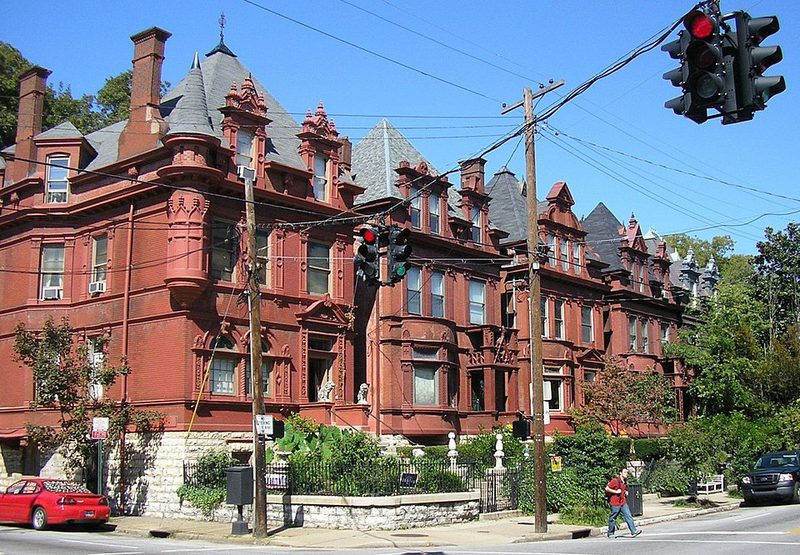
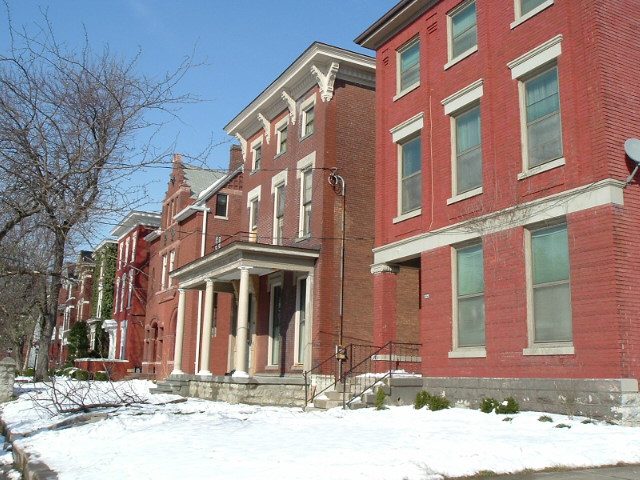
Old Louisville represents the largest preservation district in the United States featuring predominantly Victorian architecture, with the third-largest concentration of historic buildings overall after Charleston and Savannah. Developed in the 1870s as Louisville's first suburb—originally called the "Southern Extension"—the neighbourhood now encompasses more than 40 city blocks of Victorian-era homes constructed primarily between the 1870s and early 1900s. The name "Old Louisville" did not emerge until the 1960s, by which time the area's historical significance had become apparent.
Architectural Character
According to historian Young E. Allison, 260 homes valued at a total of $1.6 million were constructed in Old Louisville from 1883 to 1886 alone—a building boom fuelled by the Southern Exposition of Art, Industry, and Agriculture that operated from 1883 to 1888 on 40 acres extending from Park Avenue to Hill Street and from 4th to 6th Streets. The exposition's main building measured 600 by 900 square feet and showcased 4,500 Thomas Edison incandescent light bulbs each night, creating a technological marvel that drew visitors and encouraged residential development in the surrounding area.
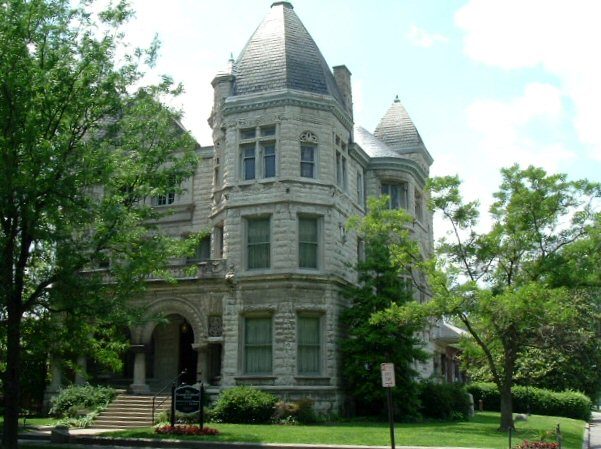
The dominant architectural styles include Victorian Gothic, Queen Anne, Richardsonian Romanesque, Château, Beaux Arts, and Neo-Renaissance. Queen Anne and Richardsonian Romanesque prevailed by the mid-1880s, with the latter characterised by turrets, towers, and bay windows. The concentration of mansion-scale residences reflects the wealth of Louisville's bourbon and tobacco barons who chose the Southern Extension as their residential neighbourhood, creating an architectural showcase of late nineteenth-century American design.
St James Court and Belgravia
The St James-Belgravia Historic District occupies the site where the Southern Exposition's main building once stood. After the exposition closed, the land was subdivided into residential streets including St James Court, Fountain Court, and Belgravia Court. These courts feature some of Old Louisville's most photographed Victorian mansions arranged around central green spaces.
The area hosts the St James Court Art Show, one of the oldest and largest outdoor art shows in the United States, though specific dates should be verified locally. The courts' layout and architectural density make them focal points for both residents and visitors exploring the neighbourhood's character.
Central Park
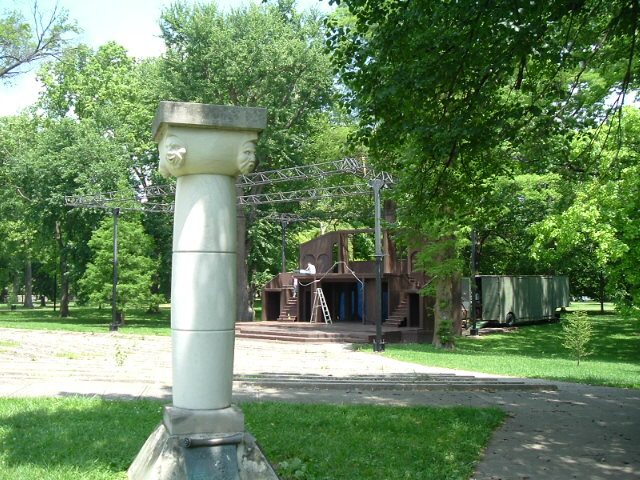
Central Park was first developed for public use in the 1870s, originally known as DuPont Square when it formed part of the DuPont family estate. The park forms part of Louisville's Olmsted Parks system—a network of parks and parkways designed by Frederick Law Olmsted's firm in the late nineteenth and early twentieth centuries. The Historic Old Louisville Neighbourhood and Visitors Center operates from a white building with a red terra-cotta roof inside Central Park, offering guided walking tours and self-guided maps.
The park provides green space within the densely built Victorian neighbourhood and serves as a starting point for many walking tours. Street parking is available on the perimeter of Central Park and along Magnolia Avenue near the Visitors Center.
Walking Tours
Guided walking tours of Old Louisville operate from the Visitors Center in Central Park, with Louisville Historic Tours offering daily tours at 11am, 1pm, and 7:30pm seven days a week from March through November, with select dates during winter months. These tours lead participants through the heart of the Victorian mansion district, explaining the architectural styles, historical context, and stories of the families who built and occupied the homes.
Self-guided walking tours are also possible using maps available at the Visitors Center. The neighbourhood's grid layout makes navigation straightforward, and the concentration of notable buildings within a compact area allows visitors to see significant architecture without extensive walking. The area is generally safe for daytime walking, though standard urban precautions apply.
Preservation and Modern Use
Old Louisville narrowly escaped demolition during the Urban Renewal programmes of the 1950s, when many American cities razed historic neighbourhoods in favour of modern development. Preservation efforts beginning in the 1960s and accelerating in subsequent decades saved the Victorian architecture and established the neighbourhood as a historic district with protections against inappropriate development or demolition.
Today the neighbourhood functions as a residential area with a mix of single-family homes, apartments in subdivided mansions, and some bed-and-breakfast operations. The architectural character remains largely intact, allowing visitors to experience the scale and detail of late nineteenth-century American urban design. Some mansions have been restored to museum-quality condition, whilst others show various stages of maintenance—a realistic portrait of a living historic neighbourhood rather than a frozen preservation site.
Visiting Practicalities
Old Louisville sits immediately south of downtown Louisville, making it accessible by car, rideshare, or walking from downtown hotels for those comfortable with a 15-20 minute walk. The neighbourhood lacks major parking facilities, so visitors driving should use street parking (observing posted restrictions) or park near the Visitors Center in Central Park.
Walking tours typically last 60-90 minutes and involve standing and walking on uneven pavements. Comfortable shoes are essential. Weather considerations matter: summer heat and humidity can make midday tours uncomfortable, whilst spring and autumn offer more pleasant conditions. The evening ghost tours at 7:30pm provide an alternative perspective on the neighbourhood's history, combining architectural information with local folklore.
The neighbourhood's appeal extends beyond architecture enthusiasts to anyone interested in American urban history, historic preservation, or simply experiencing a concentrated example of Victorian-era design. Photography opportunities abound, particularly in the courts and along streets with intact rows of mansions. The area's proximity to downtown Louisville makes it feasible as a half-day activity combined with other downtown attractions.
Sources: Old Louisville - Wikipedia • Historic Old Louisville - OLNC • Old Louisville Guided Tours • Louisville Historic Tours • St James-Belgravia Historic District