In This Guide
Read the guide as a story
Under the Volcano: A Day in Mexico City
Mexico City
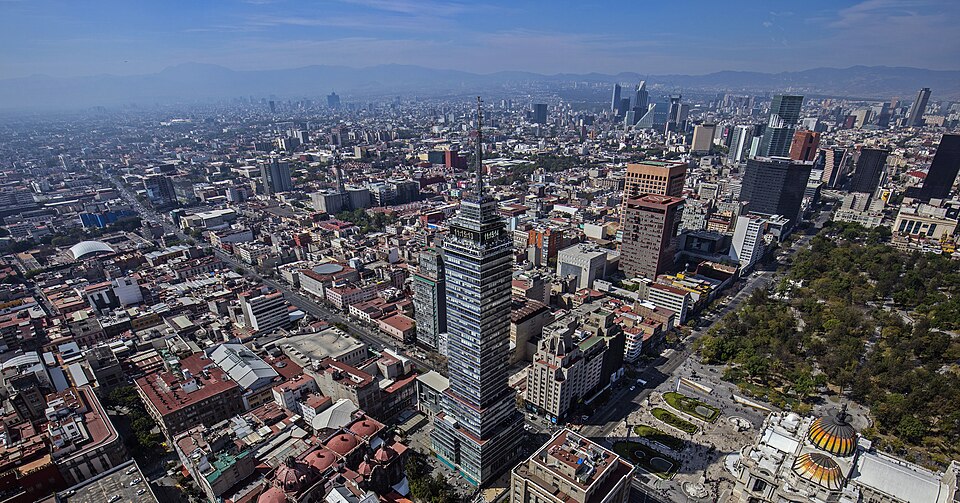
Mexico City — Ciudad de México, or CDMX — is the capital of Mexico, the most populous city in North America, and one of the great metropolitan centres of the world. It sits in the Valley of Mexico at an altitude of 2,240 metres above sea level, spread across a vast urban plain and surrounded by the remnants of a volcanic ring. On clear days the snow-capped peaks of Popocatépetl and Iztaccíhuatl are visible to the south-east. The city does not ease visitors in gently.
First Impressions and Setting
The elevation matters more than it sounds. Visitors arriving from sea-level cities frequently notice shortness of breath during the first day or two, and the thinner air makes the sun feel sharper than expected even in winter. The city is divided into 16 boroughs known as demarcaciones territoriales, each broken further into colonias — neighbourhoods that shift dramatically in character within the space of a few blocks. The overall urban fabric is dense and continuous: a low-to-mid-rise city spreading across the valley floor, punctuated by towers, markets, plazas and parks. The smell of maize and chilli from street-food stalls carries from early morning onwards.
History and Identity
Mexico City was built on the ruins of Tenochtitlán, the Aztec capital that once rose from the middle of a lake. Spanish colonial construction began in the sixteenth century, layering European architecture directly over and through pre-Columbian foundations — a palimpsest that archaeologists continue to excavate today, sometimes beneath the floors of ordinary buildings. The Centro Histórico reflects that layered past most visibly: baroque churches, imposing government buildings and the Zócalo, one of the largest public squares in the world. The city's identity has never been singular. It is Indigenous, mestizo, colonial and cosmopolitan all at once, and its cultural life reflects that complexity at every level.
Daily Life and Economy
With a population of over twelve million within the city proper, Mexico City functions as the political, financial and cultural nerve centre of the republic. It is classified as an Alpha world city by the Globalization and World Cities Research Network, placing it among a small number of truly global urban centres. For residents, daily life organises itself around the colonia rather than the city as a whole. Local markets, parish churches and corner food stalls anchor daily routines in ways that persist even in wealthier districts.
What Visitors Notice
The cultural offering is substantial by any standard. Chapultepec Park — one of the largest urban parks in the Americas — contains the Museo Nacional de Antropología, widely regarded as one of the finest archaeological museums in the world, and the Museo Nacional de Historia housed within Chapultepec Castle. The Frida Kahlo Museum in Coyoacán, known as the Casa Azul, draws visitors to the neighbourhood where Kahlo was born, lived and worked, and where her personal collections and studio have been preserved.
Street food is genuinely central to the city's food culture rather than a tourist add-on. Tacos, tamales, tlayudas, tortas and a vast range of regional dishes from across Mexico are available throughout the day at market stalls and on pavements across every district. La Merced and the city's other major markets are working commercial spaces as much as visitor destinations, and the range and quality of food available at every price point is one of the defining experiences of a visit.
Chapultepec Park and Its Museums
Chapultepec Park divides into sections — the first section being the most visited and the most practical for a first visit. Within it, the Museo Nacional de Antropología houses one of the world's foremost collections of pre-Columbian artefacts, including the famous Aztec Sun Stone. Chapultepec Castle, set on a rocky hill above the park, contains the Museo Nacional de Historia and provides wide views across the city. The park itself is a functioning green space used by residents for exercise, family outings and weekend markets, which means a visit sits alongside ordinary city life rather than in a sealed tourist circuit. The official Mexico City tourism pages for Chapultepec Castle and the park are maintained at mexicocity.cdmx.gob.mx.
Frida Kahlo and Coyoacán
The Museo Frida Kahlo — the Casa Azul, or Blue House — is in Coyoacán, a neighbourhood in the south of the city with a distinct character: cobbled streets, a central plaza, cafés and a calmer pace than the Centro. The museum preserves Kahlo's home, studio, personal artefacts and collections in the house where she was born in 1907 and died in 1954. Advance tickets are strongly advisable; the official site is museofridakahlo.org.mx. Coyoacán also contains the Anahuacalli Museum, which houses Diego Rivera's collection of pre-Columbian art in a building he designed himself.
Street Food and Markets
Street food in Mexico City has documented roots stretching back to the pre-colonial period; it remains woven into the city's daily commercial and social fabric. A 2021 study published in PMC (National Institutes of Health) found street food stands distributed across income levels throughout the city, not concentrated solely in tourist zones. La Merced, one of the largest markets in Latin America, is primarily a wholesale and retail food market serving the city. The Mercado de Jamaica specialises in flowers. Visitors who approach the street-food scene practically — eating where residents eat, moving through different neighbourhoods — will find the range and quality consistent across price points.
Nearby Day Trips
The pre-Columbian city of Teotihuacán, with its Pyramid of the Sun and Pyramid of the Moon, lies approximately 50 kilometres north-east of Mexico City and is reachable by bus from the Terminal Central del Norte. It is among the most visited archaeological sites in the Americas. Visitors should confirm current transport and access arrangements before travelling; the route and visitor infrastructure are well established but schedules and entry arrangements can change. Xochimilco, within the city's southern extent, is known for its network of canals and the traditional trajineras — flat-bottomed boats that have been used on these waterways for centuries.
Getting There and Around
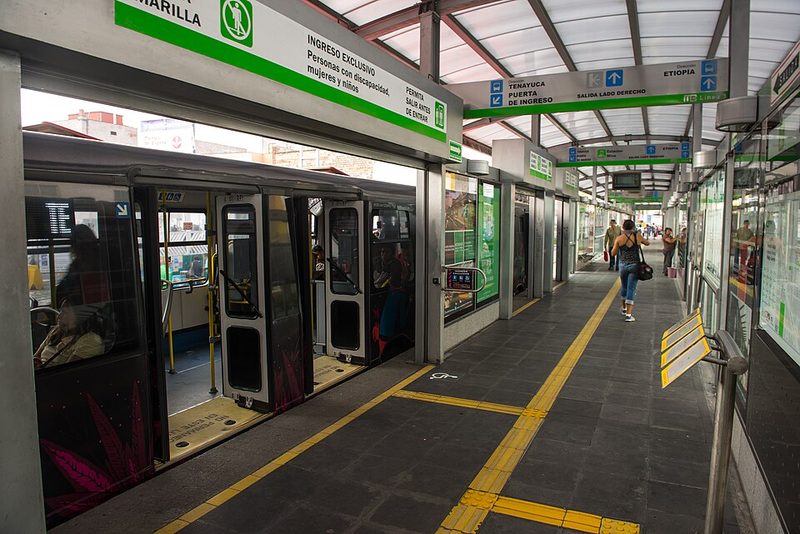
The main international gateway is Benito Juárez International Airport (AICM), located within the city's eastern districts. Terminal 1 and Terminal 2 are both served by Metrobús Line 4, which connects the airport to the Centro Histórico and onward connections at Buenavista station, where Metro Lines 1 and 3 and the Suburban Train are accessible. Passengers board at Gate 7 of Terminal 1 or the second gate of Terminal 2. A second major airport, Felipe Ángeles International Airport (AIFA), serves additional domestic and international routes north of the city; transport connections to AIFA should be confirmed before travel.
The Mexico City Metro (Metro CDMX) is one of the most extensive urban rail systems in Latin America and is the practical backbone of movement across the city. The Metrobús rapid transit network runs on key bus corridors with dedicated lanes; Line 4 is particularly useful for airport connections. Eight Trolebús (trolleybus) lines operate in the city, with the Eje Central route serving as the most frequently used by visitors, running between the northern and southern bus terminals through the centre. A Cablebús aerial cable-car system serves hillside communities in the north and east. The Tarjeta de Movilidad Integrada — an integrated travel card — covers the Metro, Metrobús, Tren Ligero (light rail), Trolebús and Cablebús through a single contactless payment, simplifying movement across modes.
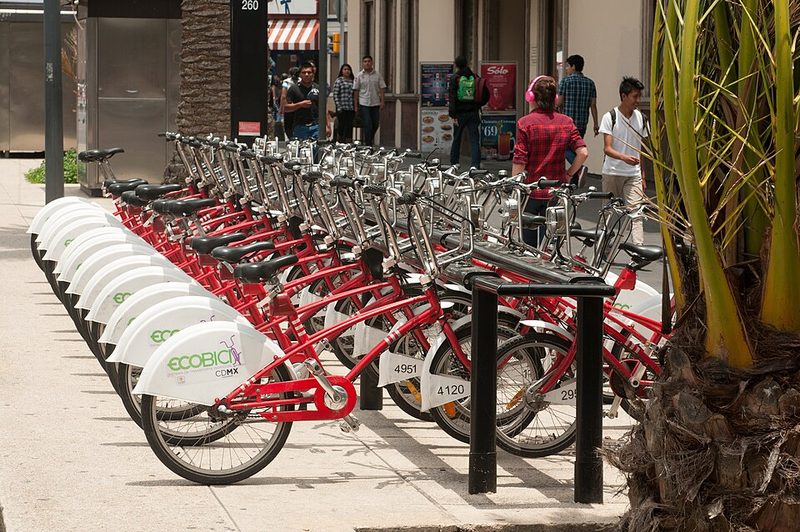
The Ecobici public bicycle hire scheme operates in central neighbourhoods. App-based ride services and taxis operate widely. Traffic congestion is a significant factor in journey times by road, particularly during peak hours; the rail and rapid-transit network is generally more predictable for cross-city movement. Colectivo minibuses run fixed routes within colonias and between districts. For long-distance intercity travel, ADO and other operators run coach services from the city's main bus terminals.
Official transport information is available from the Mexico City government transport pages at mexicocity.cdmx.gob.mx/e/getting-around and from the AICM airport site at aicm.com.mx.
Family and Rainy-Day Options
Mexico City has a reasonable range of options suited to families or wet-weather days. Chapultepec Park's first section contains, in addition to the two main museums, a zoo (free entry on confirmed official guidance) and open green space that works well for younger children. The Museo Nacional de Antropología is large enough to occupy a full day selectively. The Papalote Museo del Niño — an interactive children's museum — is also within the Chapultepec area, though visitors should confirm current entry and operating status directly before visiting. The city's covered markets provide shelter and activity on wet days. The metro system itself, which uses a pictographic station identification system dating to its 1969 opening (designed partly to help non-readers navigate), is accessible and practical for family travel.
Practical Notes
The high altitude is the single most important practical consideration for visitors arriving from lower elevations. Giving yourself a day to adjust before heavy walking or exercise is sensible; mild breathlessness and fatigue on the first day are common. Tap water is not generally considered safe to drink; bottled water is the standard throughout the city.
Mexico has regional travel advisories in place. The UK Foreign, Commonwealth and Development Office advises against all but essential travel to several Mexican states due to organised crime concerns; Mexico City is not identified within the restricted regions of that advisory. Visitors are encouraged to check current official guidance from their own government before travelling. The UK FCDO Mexico advice is at gov.uk/foreign-travel-advice/mexico.
Chapultepec Park and Museums
Chapultepec Park, one of the largest urban parks in the Americas, contains two of Mexico City's most important museums: the Museo Nacional de Antropología, with its world-class pre-Columbian collection including the Aztec Sun Stone, and the Museo Nacional de Historia inside Chapultepec Castle. The park is reachable directly from Chapultepec metro station on Line 1. Weekends are busiest; a selective visit to the Anthropology Museum alone can fill a full morning.
Read the full Chapultepec Park and Museums guide
Sources: National Museum of Anthropology (Mexico) - Wikipedia • Chapultepec Castle and the National History Museum - Mexico City Official • Chapultepec Park - Mexico City Official Tourism • Chapultepec - Wikipedia • Museo Nacional de Antropologia - INAH History and Origins
Frida Kahlo and Casa Azul
The Casa Azul — Frida Kahlo's birthplace and home in Coyoacán — is one of Mexico City's most visited cultural sites. The museum preserves Kahlo's studio, personal collections and the house she shared with Diego Rivera. Advance booking through the official site at museofridakahlo.org.mx is strongly advisable. Coyoacán itself is worth exploring: cobbled streets, a colonial plaza and the nearby Anahuacalli Museum of Rivera's pre-Columbian collection make it a logical half-day destination from the city centre.
Read the full Frida Kahlo and Casa Azul guide
Sources: Frida Kahlo Museum - Wikipedia • Anahuacalli Museum - Wikipedia • Museum - Museo Frida Kahlo Official Site • Frida Kahlo Casa Azul Museum Tickets - Official Booking • 26 Best Things to Do in Mexico City - Conde Nast Traveler
Mexico City Street Food and Markets
Mexico City's street-food scene spans every price point and covers regional dishes from across Mexico, from tacos al pastor and basket tacos to Oaxacan tlayudas and Veracruz-style preparations. La Merced is one of Latin America's largest working food markets. A PMC-published study confirmed street food is distributed across all income zones in the city, not concentrated in tourist areas. Tap water is not considered safe; eat from busy, high-turnover stalls for lower risk.
Read the full Mexico City Street Food and Markets guide
Sources: Street Food Stand Availability, Density, and Distribution Across Income Levels in Mexico C • A short history of street food in Mexico - Mexico News Daily • 26 Best Things to Do in Mexico City - Conde Nast Traveler
Teotihuacan Day Trip
Teotihuacán, 50 kilometres north-east of Mexico City, is one of the most significant pre-Columbian sites in the Americas. The Pyramid of the Sun, Pyramid of the Moon and the Avenue of the Dead are the main features. Buses run from the Terminal Central del Norte (metro Line 5, Autobuses del Norte). Allow at least four hours on site; confirm current entry arrangements with INAH before travel.
Sources: Teotihuacan - Wikipedia • Pyramid of the Sun - Wikipedia • How to visit the Teotihuacan pyramids from Mexico City - A Globe Well Travelled
Dia de Muertos in Mexico City
Día de Muertos is one of the most culturally significant observances in Mexico, and Mexico City is one of the country's most important places to experience.