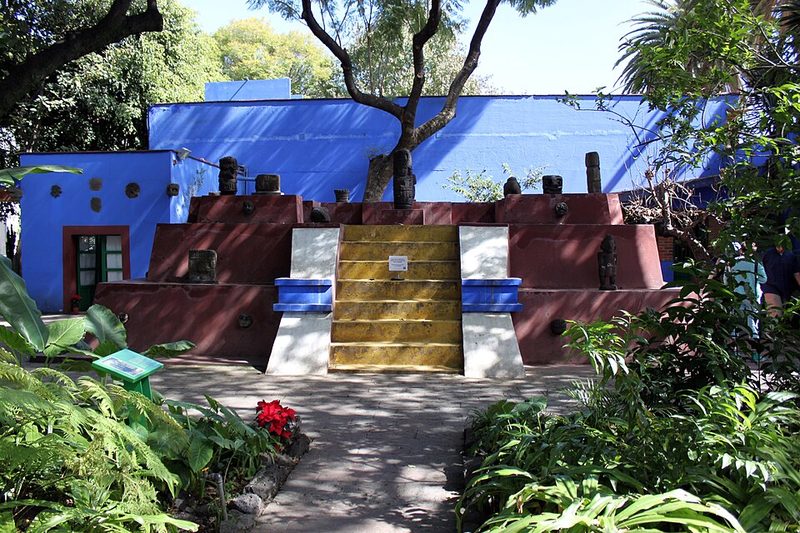
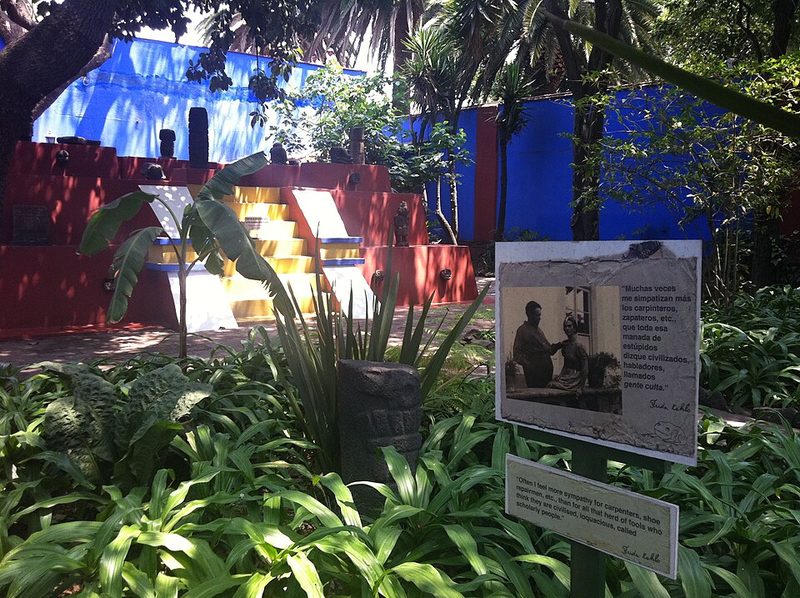
The Frida Kahlo Museum, known as Casa Azul (the Blue House) for its cobalt-blue exterior walls, occupies the building at 247 Calle Londres in the Colonia del Carmen area of Coyoacán where Frida Kahlo was born in 1907, spent most of her life, and died in 1954. The house functions as both biographical museum and art space, preserving the environment where Kahlo created many of her most significant works and where she and Diego Rivera hosted prominent cultural and political figures throughout the 1930s and 1940s.
The House and Its History
Guillermo Kahlo, Frida's father, built the house in 1904. The structure reflects the period's architectural style—colonial revival with French influences common in early 20th-century Mexico City. The distinctive blue colour came later; Kahlo repainted the exterior in the vibrant cobalt that became synonymous with her aesthetic and that now draws visitors to the corner of Londres and Allende streets.
Frida Kahlo lived in this house during her childhood and returned to it after marrying Diego Rivera in 1929. The couple resided in various locations, including purpose-built modernist houses in San Ángel designed by Juan O'Gorman, but Casa Azul remained Kahlo's primary home, particularly during her final years. After her death in 1954, Rivera converted the house into a museum dedicated to Kahlo's life and work, which opened to the public in 1958.
The Collection and Exhibits
The museum preserves the house as it appeared during Kahlo's lifetime, with rooms arranged to show where she painted, slept, and spent daily life. The collection includes Kahlo's personal belongings, clothing, jewelry, and the medical corsets she wore following the 1925 streetcar accident that left her with lifelong injuries and chronic pain. These items carry particular weight—they connect visitors to Kahlo's physical experience and to how that experience shaped her artistic practice.
The museum displays several of Kahlo's paintings, though her major works are held in collections elsewhere. Diego Rivera's paintings appear in several rooms, including his portraits and figure studies. The collection also includes works by other artists—modern pieces by Paul Klee and Mexican artists including Celia Calderón Orozco, José María Velasco, and Joaquín Clausell—reflecting the couple's collecting practices and their position within Mexico's artistic networks.
Rivera's extensive collection of pre-Columbian artifacts appears throughout the house and in the gardens. These objects—ceramics, sculptures, figurines from various Mesoamerican cultures—reflect Rivera's obsession with Mexico's indigenous past and his belief that contemporary Mexican art should draw from these traditions rather than European models.
The gardens and courtyard preserve the lush tropical plantings that Kahlo cultivated. The outdoor spaces contain additional sculptures and artifacts, and the vegetation itself—dense, colorful, deliberately wild—reflects Kahlo's approach to surrounding herself with growing things. The phrase "Feet, what do I need you for when I have wings to fly?"—one of Kahlo's written reflections on her physical limitations—appears on the walls, along with other text fragments that communicate her voice directly.
Visiting Practicalities
Advance booking is essential. The museum's popularity—driven by Kahlo's international cultural status—means tickets sell out days or weeks ahead, particularly during holiday periods and weekends. The official museum website (museofridakahlo.org.mx) sells tickets directly; purchasing through official channels several days before visiting is strongly recommended. Same-day tickets are rarely available.
The museum opens Tuesday and Thursday through Sunday from 10:00am to 6:00pm. Wednesday hours shift slightly, opening at 11:00am and extending to 9:00pm for Museum Night on the last Wednesday of each month. Thursday evenings, branded as Blue Night, extend hours to 9:00pm weekly, subject to capacity. The museum closes Mondays.
Visitor flow is managed through timed entry slots to prevent overcrowding in the relatively small house. The museum prohibits photography in some interior rooms to preserve the space and control commercial use of images. Audio guides in multiple languages provide context for visitors, though simply moving through the spaces where Kahlo lived offers its own form of biographical information that transcends specific facts.
Context: The Kahlo Cultural Phenomenon
Casa Azul draws visitors who come seeking connection to Frida Kahlo as cultural icon—her image and her story have become globally recognized symbols of artistic persistence, feminine strength, and Mexican identity. The museum experience balances the reality of a specific woman who lived and worked in this house against the accumulated weight of what Kahlo has come to represent. The house grounds the abstraction; standing in the room where she painted forces recognition that the icon was a person who lived in a particular place at a particular time.
A second Kahlo museum, Museo Casa Kahlo, opened nearby in September 2025 in a building called Casa Roja. This new institution expands the Kahlo museum presence in Coyoacán, though Casa Azul remains the primary biographical site where the actual events of her life occurred.
Sources: Frida Kahlo Museum - Wikipedia • Museo Frida Kahlo (Official Site) • Frida Kahlo Casa Azul Museum Tickets • Casa Azul: Museo Frida Kahlo, Coyoacán