Little Havana serves as the cultural heart of Cuban Miami, a neighbourhood where Spanish dominates daily conversation and where the history of Cuban immigration to the United States remains visible in street memorials, family businesses, and public gathering spaces. The area stretches along Calle Ocho (Southwest 8th Street), the commercial artery that has defined this community since Cuban exiles began arriving in significant numbers following the 1959 revolution. More than six decades later, Little Havana retains its identity as a centre of Cuban-American life, though waves of immigration from across Latin America have added further layers to the neighbourhood's character.
Calle Ocho and the Street Landscape
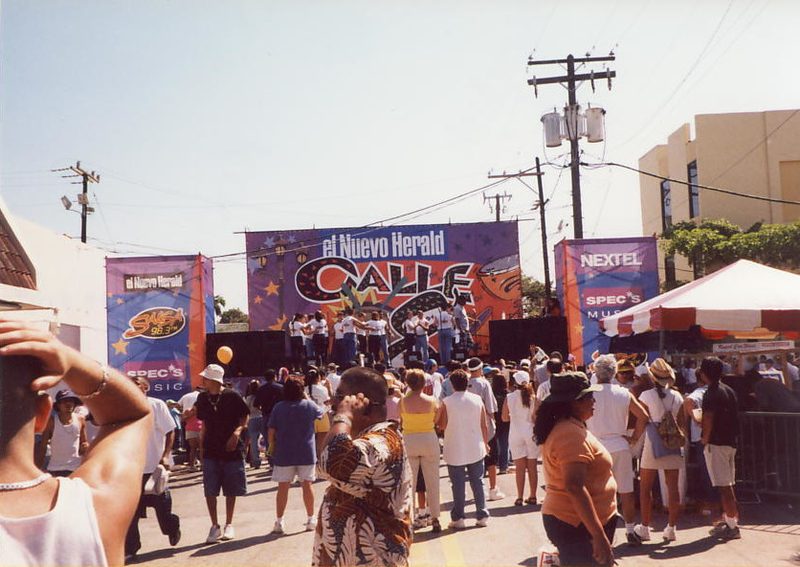
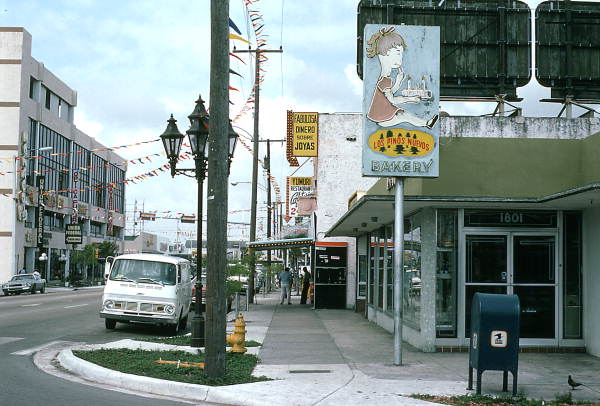
Calle Ocho between roughly 12th and 27th Avenues forms the nucleus of visitor activity in Little Havana. The streetscape reflects both the neighbourhood's immigrant roots and its evolution as a cultural destination: hand-painted murals cover building facades, cigar shops operate using traditional rolling methods that Cuban artisans have practised for generations, and cafeteria windows serve Cuban coffee to a steady stream of local customers throughout the day. The street's character is residential and commercial in equal measure—family-owned restaurants operate alongside small shops, and the rhythm of daily life proceeds largely independent of tourism, though visitors are a visible presence.
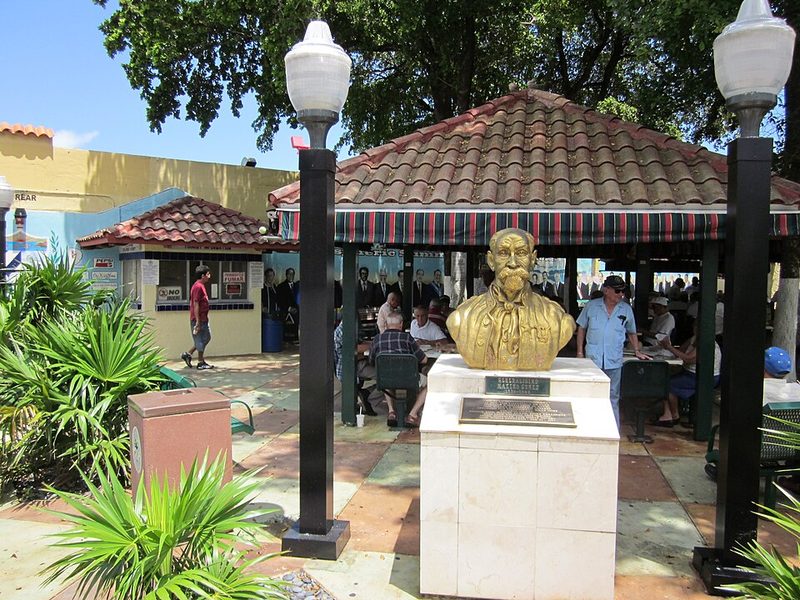
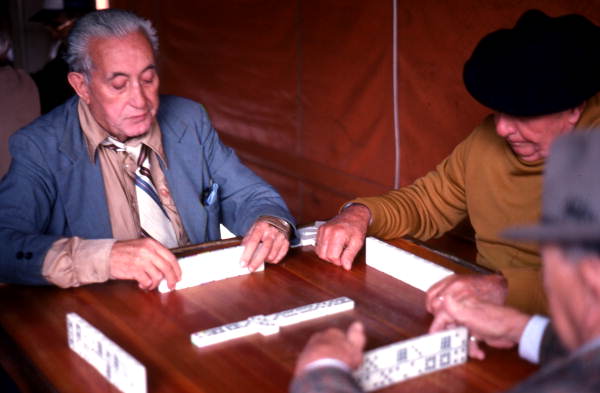
Domino Park, officially named Máximo Gómez Park after a hero of Cuba's War of Independence, occupies a corner at Southwest 8th Street and 15th Avenue. For over 35 years, the park has served as a gathering place where Cuban immigrants—primarily older men—play dominoes and chess, drink coffee, and discuss politics. The park features walkways decorated with domino-pattern tilework and benches where spectators can watch the games, which are taken seriously by participants. The park operates daily from 9am to 6pm and sits next to the Tower Theatre, a restored cinema that now functions as a cultural venue.
Cuban Memorial Boulevard
Cuban Memorial Boulevard runs along Southwest 13th Avenue between 8th Street and 11th Street, a four-block stretch dedicated to commemorating Cuba's history and the Bay of Pigs invasion of 1961. The memorial includes monuments, plaques, and a replica of the Eternal Torch of Brigade 2506, which honours the Cuban exiles who participated in the failed invasion attempt. The Brigade 2506 Memorial specifically commemorates the efforts of those who sought to overthrow Fidel Castro's government with support from the United States. The memorial boulevard sets a sombre tone that reflects the political and emotional weight Little Havana carries for many Cuban Americans, particularly those who fled the island as refugees.
Cigar Shops and Traditional Crafts
Cigar rolling remains one of Little Havana's visible traditional crafts. Several shops along Calle Ocho, including the Little Havana Cigar Factory, offer tours where visitors can observe artisans hand-rolling cigars using methods unchanged for generations. Torcedores (cigar rollers) work at tables in small factories, selecting tobacco leaves, shaping the filler, applying the binder, and finishing each cigar with a wrapper leaf—a process that requires both skill and experience. These shops also function as retail spaces where visitors can purchase cigars, either as souvenirs or to smoke on site. The cigar-rolling tradition connects directly to Cuban cultural heritage, as tobacco cultivation and cigar production were central to Cuba's economy and craft traditions before the revolution.
Food and Culinary Tradition
Food serves as perhaps the most accessible entry point for visitors to understand Cuban culture in Miami. Little Havana's restaurants and cafeterias serve dishes that have become standard in Cuban-American cooking: ropa vieja (shredded beef in tomato sauce), Cuban sandwiches (ham, roasted pork, Swiss cheese, pickles, and mustard on Cuban bread), croquetas (deep-fried ham-filled appetizers), and lechón asado (roasted pork). These dishes reflect both rural Cuban cooking traditions and the adaptations made by immigrant families in Miami. Cuban coffee—a small, strong espresso served sweetened—fuels daily life here, available from walk-up windows at cafeterias throughout the neighbourhood. Visitors should note that many establishments operate with a local clientele in mind; Spanish is the primary language of service, and the atmosphere is casual rather than tourist-oriented.
Visitor Considerations
Little Havana functions as a living neighbourhood rather than a preserved historic district. The area is accessible from downtown Miami and Miami Beach, though visitors should plan transport in advance as the neighbourhood is not centrally located for most tourists. The most active visitor hours are during the day and early evening; the neighbourhood is primarily residential outside the main commercial stretch of Calle Ocho. Spanish is spoken more commonly than English in many businesses, though key tourist-facing establishments operate bilingually. The neighbourhood's character reflects both its role as a cultural symbol for Cuban Americans and its ongoing evolution as waves of immigration from other Latin American countries continue to reshape Miami's demographics.
Sources: Domino Park - Miami & Miami Beach • Máximo Gómez Park - Wikipedia • Little Havana - Wikipedia • Things To Do In Little Havana - Miami Culinary Tours • The History of Little Havana - Miami Culinary Tours