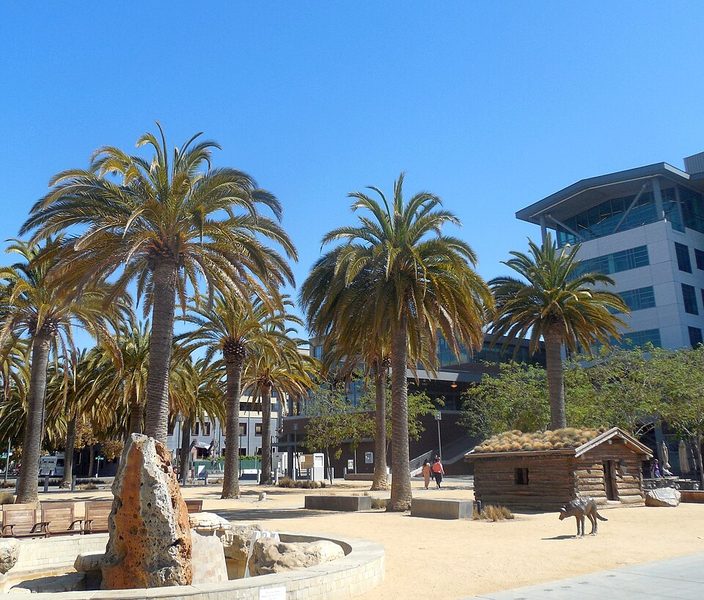
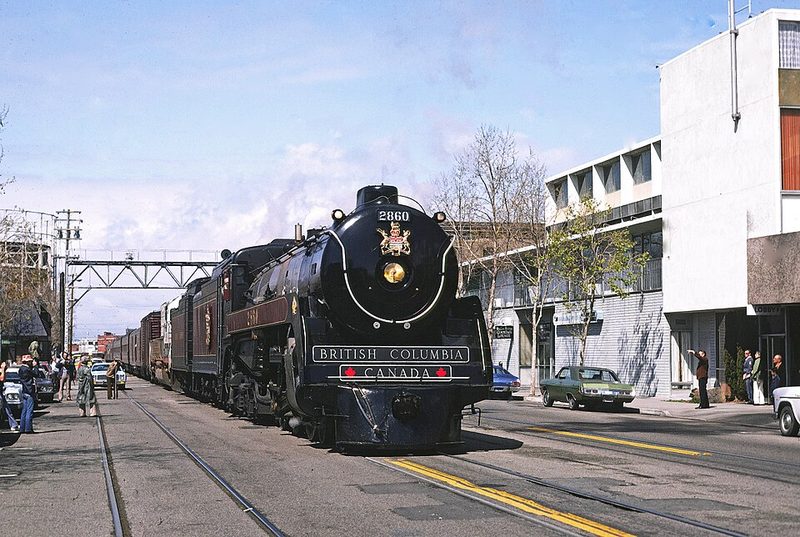
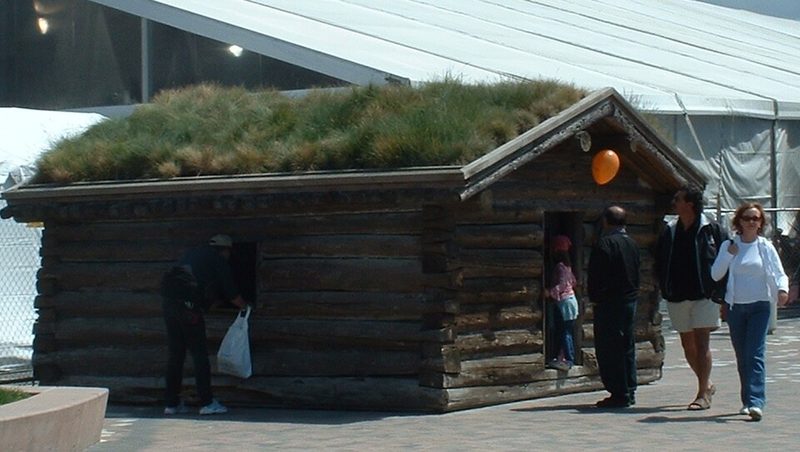
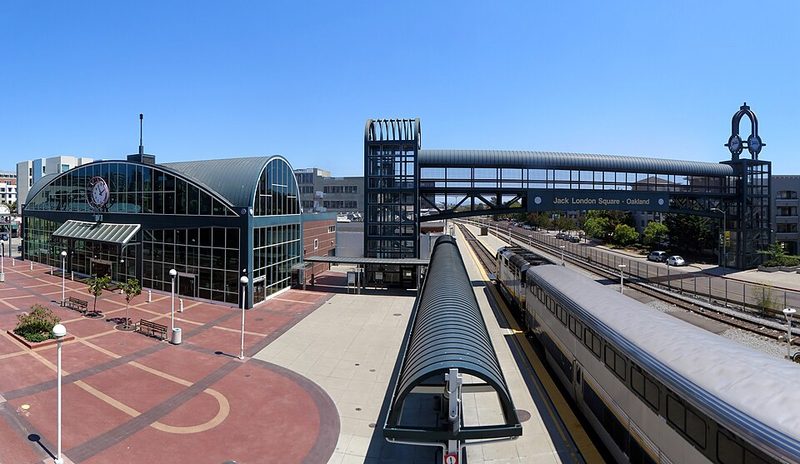
Jack London — author of The Call of the Wild, White Fang, and The Sea-Wolf — was born in San Francisco in 1876 but grew up in Oakland, and the city's waterfront shaped his writing more than anywhere else he lived. His early years around the Oakland docks and the bay estuary gave him the themes of struggle, survival, and working-class life that run through nearly all of his fiction. Oakland has marked this connection with one of its most visited waterfront precincts, named Jack London Square in his honour.
Jack London's Oakland
London's formative years were spent in and around Oakland's working waterfront. He attended Oakland High School, where he contributed to the student literary magazine The Aegis, and his early poverty along the docks gave him firsthand experience of the world he would later fictionalise. According to the San Francisco Maritime National Park Association, both London and his writing were shaped by the Oakland Estuary — the modest tidal channel that separates Oakland from the Alameda peninsula. His connection to the bay was not romantic; it was economic and physical, the kind of relationship that comes from working on the water rather than observing it.
Jack London Square
The waterfront precinct named for London sits along the Oakland Estuary, and it remains one of the more distinctive sections of the Oakland waterfront. It combines the literary history associated with London's name with the active port backdrop that defines the city's industrial identity. The square hosts a mix of restaurants, shops and public space, and functions as one of Oakland's primary waterfront gathering points. The Port of Oakland holds a significant commercial real estate portfolio at Jack London Square, which keeps the precinct closely connected to the port's ongoing activity.
Heinold's First and Last Chance Saloon
The most historically specific point of Jack London connection on the waterfront is Heinold's First and Last Chance Saloon, a wooden bar that has operated continuously on the same site since 1883. Johnny Heinold bought the structure — originally a bunk room for nearby oyster workers — for $100 and converted it into a bar. The name referred to the practical reality for sailors: it was the first or last opportunity to drink before or after a long voyage. London is documented as a regular here, and the saloon is where he is said to have practised his early writing. The building's floor tilts visibly, a consequence of the 1906 San Francisco earthquake, which prompted Oakland's authorities to order every saloon in the city to close — a closure the saloon's records show as beginning on 18 April 1906. That physical irregularity remains part of the bar's character today. In 1998, Heinold's was designated a Literary Landmark by United for Libraries (then Friends of Libraries USA), formally recognising its connection to London's literary development. Visitors should check current opening hours directly with the saloon, as these are subject to change.
The Literary Landmark Designation
The Literary Landmark status, awarded in 1998, places Heinold's alongside a small number of American bars and buildings formally recognised for their role in literary history. For visitors with an interest in American literature of the early twentieth century, the saloon provides a tangible, unrestored connection to the period and place that produced some of London's most enduring work. The building has been maintained as close to its original appearance as possible through successive ownerships since the Heinold family sold it in 1984.
Visiting
Jack London Square is easily reached on foot from the Oakland waterfront and is served by the BART system, with the nearest station providing walkable access. The precinct is open as a public space throughout the day. Heinold's First and Last Chance Saloon is the specific point of literary interest; visitors should check current hours and any seasonal closures directly with the venue before visiting. The wider Jack London District is one of Oakland's named visitor neighbourhoods and can serve as a practical base for exploring the waterfront area.
Sources: Heinold's First and Last Chance Saloon - Wikipedia • Jack London - Wikipedia • History - Heinold's First and Last Chance Saloon • Heinold's First and Last Chance Saloon - Jack London Square • Jack London Square Then and Now - San Francisco Maritime National Park Association • Literary Landmark - Heinold's Saloon - United for Libraries