

What Oklahoma City is known for
Oklahoma City sprawls across the red earth of central Oklahoma with the kind of quiet confidence that comes from being rebuilt more than once. The state capital pulses as a working city—half pioneer heritage, half modern energy hub—where oil derricks once dominated the skyline and aerospace firms now anchor the economy. It is a place shaped by sudden booms, clear-eyed resilience, and the kind of practical optimism that defines the American interior.
First Impressions and Setting
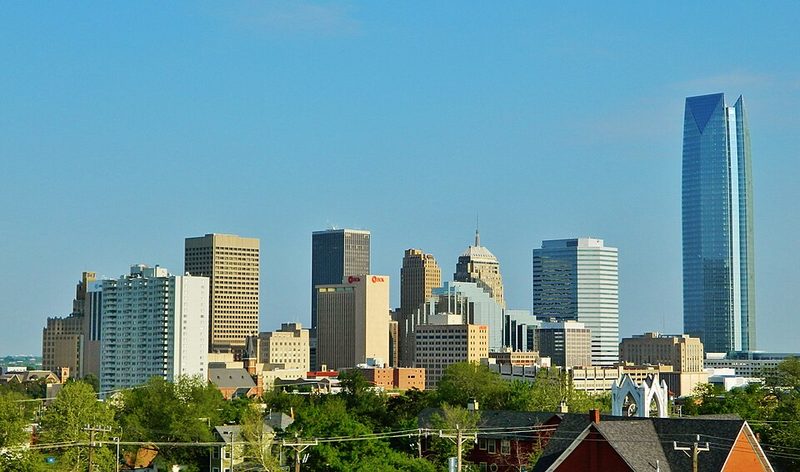
The city sits at roughly 395 metres above sea level in rolling country along the North Canadian River. Arriving by road, visitors notice the horizontal sweep of it—wide streets, a low-rise downtown core, and the sense of space that characterizes much of the state. The terrain itself is unremarkable in the manner of continental America: grassland and sky dominate. In spring and summer, the region lies in what is known as Tornado Alley, exposing the city to severe weather including thunderstorms and tornadoes, a fact that shapes how locals build, plan and speak about their seasons.
The metropolitan area now extends across county lines and into surrounding suburban zones, but the older core remains legible: downtown neighbourhoods retain heritage character, and districts like Bricktown and Stockyards City reflect the city's industrial and frontier past.
History and Identity
Oklahoma City's origins are dramatic and abrupt. On 22 April 1889, thousands of settlers lined up at the territorial border for the Land Rush—a single day when federally granted land opened to claim. Tent cities materialised overnight on what had been called the Unassigned Lands. Within decades, a frontier settlement became a major urban centre. The city was incorporated, grew rapidly on cattle and agricultural trade, then deeper still on oil and natural gas discovery. When the territorial capital moved from Guthrie, Oklahoma City's status as the state's civic and economic heart was sealed.
The city's modern identity carries the weight of this compressed history. Pioneer heritage runs visibly through the place—in museum collections, historical markers and the stories locals tell about rapid settlement and frontier ambition. The Oklahoma National Stockyards operates as the world's largest feeder and stocker cattle market, with live auctions continuing on Mondays in Stockyards City.
The 1995 Oklahoma City bombing killed 168 people and injured hundreds more in the deadliest act of domestic terrorism in United States history to that time. The attack destroyed the Alfred P. Murrah Federal Building and left a lasting mark on the city's collective memory. The city's response—rebuilding, memorialisation, and the determination of residents and institutions to move forward—became part of Oklahoma City's modern character. The Oklahoma City National Memorial is now a significant presence for visitors, with the outdoor memorial and indoor museum offering sequential chapters of the chronological story beginning the morning of 19 April 1995.
Economy and Daily Life
Oklahoma City's working economy has evolved considerably from its oil-focused origins. The energy sector remains substantial but has broadened into renewable and related fields. Aviation and aerospace now employ hundreds of firms—more than 300 public and private companies in the sector. The bioscience cluster generates annual revenues exceeding $4.1 billion, supporting research and medical innovation. Healthcare, retail and logistics round out the economic base, alongside military installations that anchor employment and regional development.
The city is ethnically diverse, with White, African American, and Hispanic or Latino residents forming significant portions of the population. This diversity shows in neighbourhoods, community institutions and cultural events. The Red Earth Festival and Oklahoma State Fair celebrate the region's cowboy and Native American heritage, drawing on the cultural roots that predate and follow European settlement.
What Visitors Encounter
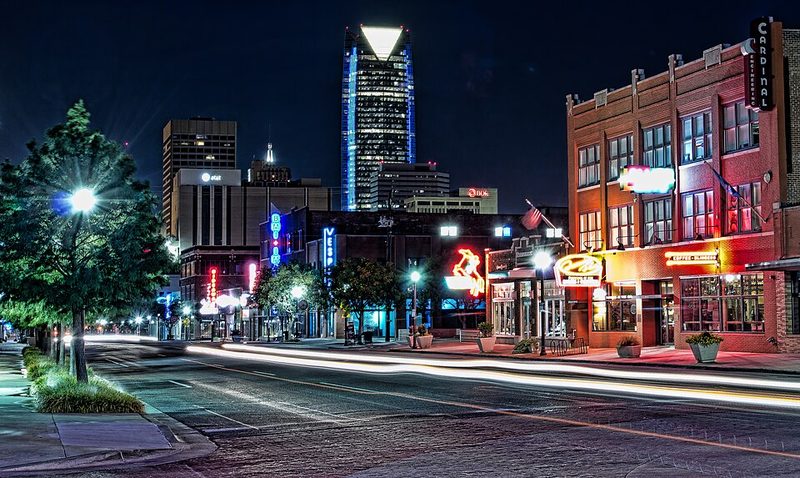
Downtown Oklahoma City includes the Automobile Alley Historic District, a neighbourhood centred around North Broadway Avenue that once housed the city's automobile dealerships. The district retains its low and mid-rise heritage buildings and has been revitalised with bars, restaurants, retail shops and urban residences. This represents the kind of adaptive reuse that characterises many older American city centres.
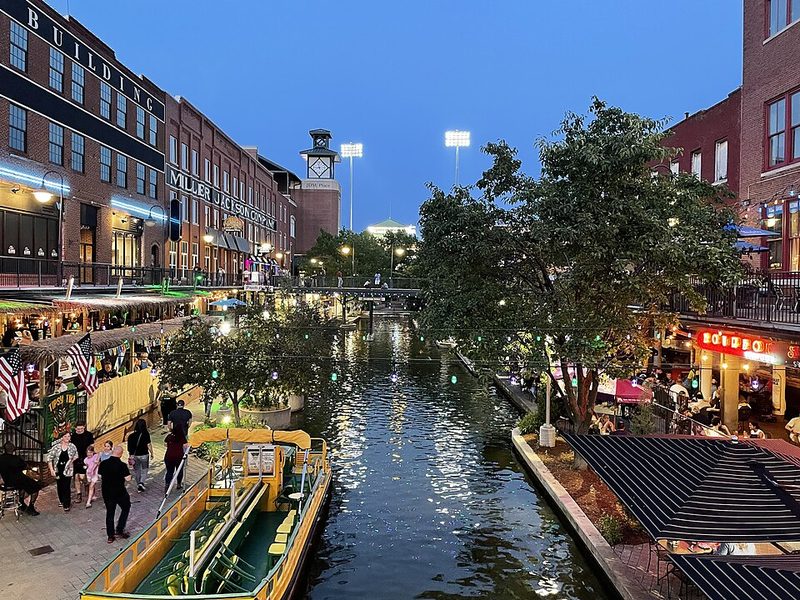
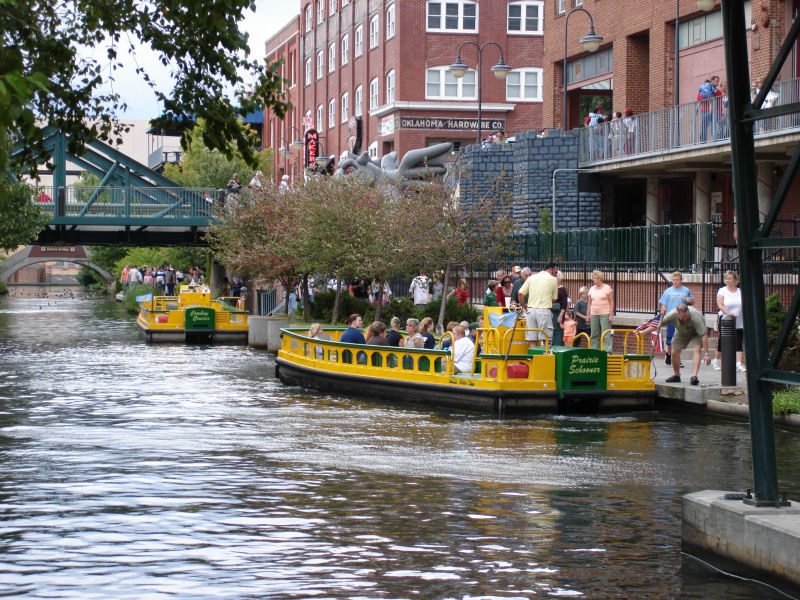
Bricktown, just east of downtown, is an entertainment district that transformed from a former warehouse and distribution district into a bustling area with restaurants, bars, and the Chickasaw Bricktown Ballpark. A navigable one-mile canal connects north Bricktown with the Chesapeake Boathouse along the Oklahoma River. Water taxi tours operate along the canal, offering views of historical monuments and murals.
Stockyards City, southwest of downtown, preserves the city's cattle and Western heritage. Visitors can attend live cattle auctions on Mondays at the Oklahoma National Stockyards, then visit nearby Western wear shops including Langston's Western Wear and Shorty's Caboy Hattery, along with establishments such as Cattlemen's Steakhouse.
The National Cowboy & Western Heritage Museum holds more than 28,000 Western and Native American art works and artifacts, including extensive galleries dedicated to art of the American West, sculptures, firearms and Western artifacts. It represents America's premier institution of Western history, art and culture.
Practical Transport
Oklahoma City is served by Will Rogers World Airport, the primary air hub for the region. The city lies on major interstate highways that connect it to neighbouring states and facilitate road travel. The Oklahoma City streetcar operates in the downtown area, providing access to Bricktown and other central districts. The city spans a large area by city limits, and visitors should budget time for travel between districts.
Weather and Timing
Spring and summer weather can include severe thunderstorms and tornadoes. Checking seasonal forecasts before travel is prudent, particularly from March through June when severe weather is most common. The horizontal landscape and clear sightlines mean approaching storms are often visible from a distance, and the city maintains active warning systems.
Is Oklahoma City Worth Visiting?
Oklahoma City offers a particular kind of American city experience: frontier history made tangible, Western heritage presented without theme-park gloss, and the Memorial as a place of genuine weight. Visitors interested in the cowboy and pioneer past, aerospace industry, or those seeking to understand mid-continental American life will find the city rewards a stay of two to three days.
Where to Stay
Downtown and Bricktown provide the most convenient access to major attractions, restaurants and the streetcar line. The districts are walkable and place visitors within reach of the Memorial, museums and entertainment venues. Areas near Automobile Alley offer heritage surroundings with urban amenities. Visitors planning to explore Stockyards City or outlying areas should account for driving distances.
How Many Days Do You Need?
Two to three days allows time for the Oklahoma City National Memorial and Museum, which requires several hours for a thorough visit, the National Cowboy & Western Heritage Museum, a Monday cattle auction at Stockyards City, and Bricktown's canal district. Visitors with specific interests in aerospace or bioscience research centres may wish to allocate additional time.
Is Oklahoma City Safe?
The UK Foreign Office maintains Level 1 advice (normal precautions) for the United States, with no specific regional restrictions applying to Oklahoma City. Standard travel precautions for any mid-sized American city apply. The severe weather risk from tornadoes and thunderstorms in spring and summer is real but manageable through attention to local forecasts and warning systems. Visitors should consult current official travel guidance for their country before departure.