The Oklahoma City National Memorial and Museum marks the site of the Alfred P. Murrah Federal Building, destroyed at 9:02 am on 19 April 1995 in the deadliest act of domestic terrorism in United States history to that time. The attack killed 168 people, including 19 children, and injured more than 680 others. The memorial opened in 2000, and the adjacent museum in 2001, transforming the bombed footprint into a space for reflection and remembrance that has become one of the city's most visited sites.
The Outdoor Memorial
The outdoor symbolic memorial occupies the former site of the federal building and surrounding streets. Two monumental bronze Gates of Time frame the memorial, inscribed with 9:01 and 9:03—the minutes before and after the explosion. Between them stretches a 318-foot reflecting pool on what was once NW 5th Street, marking the moment of the blast. The pool's surface creates a quiet divide between the violence that came before and the recovery that followed.
The Field of Empty Chairs stands on the building's footprint. These 168 bronze, stone and glass chairs—arranged in nine rows representing the nine floors of the Murrah Building—bear the names of those killed. Nineteen smaller chairs commemorate the children who died in the building's day-care centre. The chairs glow softly at night, visible from surrounding streets.
On the memorial's east end, the only surviving walls of the Murrah Building remain standing. More than 600 names are inscribed on salvaged granite from the building's lobby—these are the survivors, many of whom sustained serious injuries. The Survivor Tree, an American elm on the memorial's north side, withstood the full force of the blast. Cuttings from this tree have been planted at other sites of tragedy and recovery.
The Museum Experience
The memorial museum guides visitors through ten sequential chapters that document the events of 19 April 1995 and their aftermath. The experience begins with an orientation video, followed by galleries exploring the neighbourhood before the bombing, the explosion itself, the immediate response, and the investigation. Audio recordings captured during a Water Resources Board meeting on the building's second floor preserve the moment of the blast.
Later galleries address the victims, the survivors, the rescue and recovery efforts, and the trials of Timothy McVeigh and Terry Nichols. The museum holds personal effects, damaged objects from the building, and testimonies from those who lived through the attack. A gallery of children's tiles displays some of the more than 5,000 hand-painted tiles sent to Oklahoma City by children across North America in the months following the bombing.
Visitor Information
The outdoor memorial is open to the public at all times and requires no admission. The museum operates Monday to Saturday from 9:00 am to 5:00 pm, and Sunday from noon to 5:00 pm, with ticket sales ending one hour before closing. Visitors should allow 60 to 90 minutes for the museum, though many spend longer. Free parking is available at the Memorial Garage with museum admission.
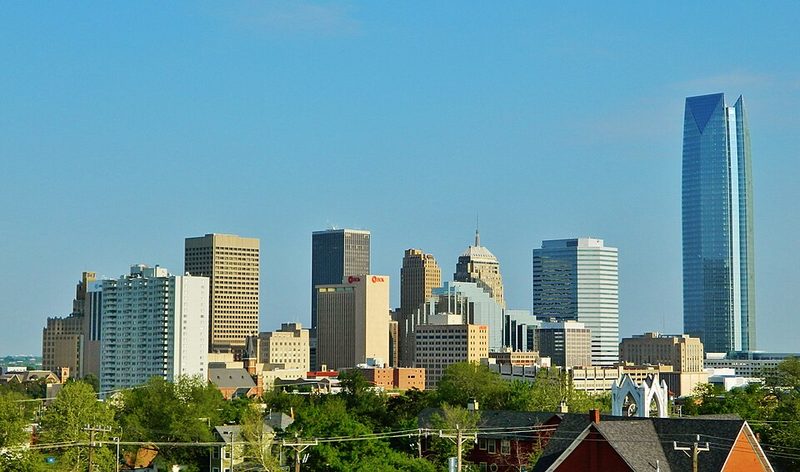
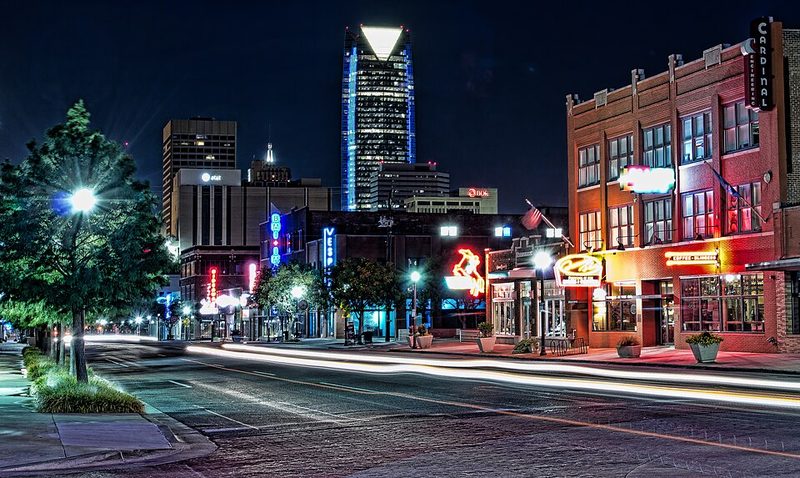
The memorial is located at the intersection of NW 5th Street and N Harvey Avenue in downtown Oklahoma City, within walking distance of Bricktown, Myriad Botanical Gardens and other downtown attractions. The experience is sombre and confronting—parents with young children should consider whether the content is appropriate. The museum provides a space for quiet reflection, and visitors often describe the experience as emotionally affecting but essential to understanding Oklahoma City's modern identity.
Sources: Oklahoma City National Memorial & Museum • The Memorial - Oklahoma City National Memorial & Museum • Oklahoma City National Memorial - Wikipedia