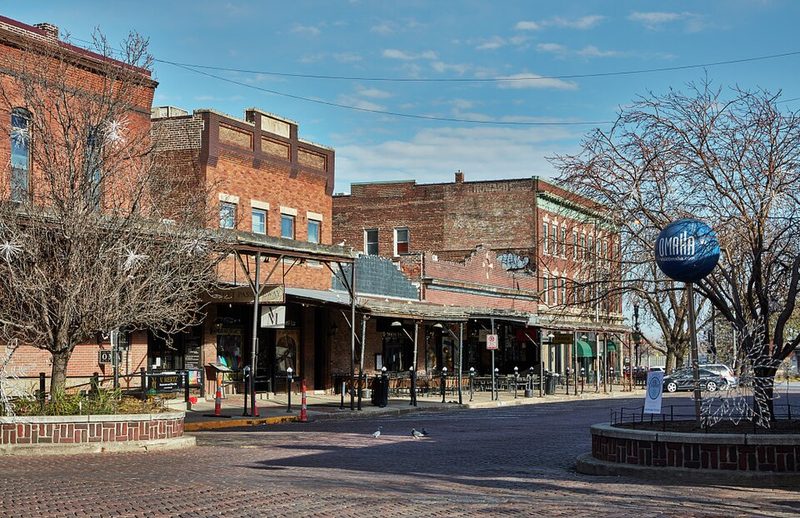
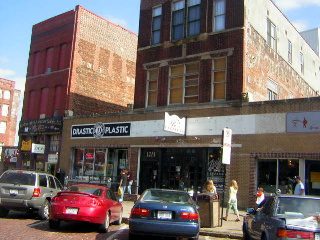
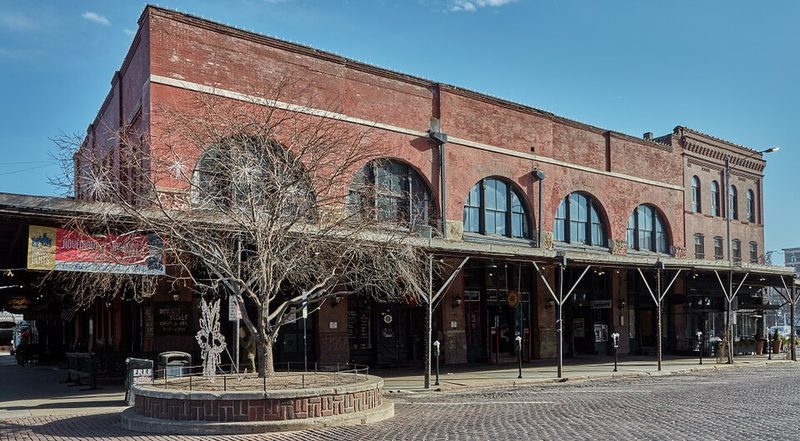
The Old Market Entertainment District occupies several blocks in downtown Omaha where 19th-century wholesale and retail commerce once centred. The neighbourhood preserves its original character through cobblestone and brick-paved streets, covered sidewalks in certain areas, and commercial buildings that date to the turn of the 20th century. Today it functions as the city's primary arts and entertainment quarter, with over 45 restaurants and drinking establishments alongside art galleries, independent shops, and performance venues distributed across a compact, walkable area.
Historical Development
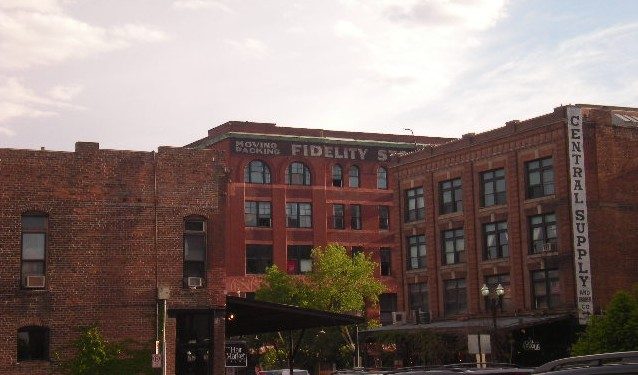
The district developed as Omaha's wholesale grocery centre, preceded by the Market House in Jefferson Square. Buildings from this commercial era remain largely intact, their original facades and warehouse proportions now housing contemporary businesses. The area's preservation began in earnest during the 1970s, when developer Sam Mercer initiated efforts to rehabilitate rather than demolish the historic structures. His work established adaptive reuse as the guiding principle for the district's transformation. Mercer died in February 2013, but his approach to maintaining architectural integrity continues to shape development decisions.
Layout and Character
The Old Market spans roughly ten blocks, bounded by streets that retain their original brick and cobblestone paving. This surface texture, combined with horse-drawn carriages still operating for visitors, creates a deliberate contrast with modern downtown Omaha. Covered sidewalks provide weather protection in sections of the district, a practical feature from the era when pedestrian commerce dominated.
The neighbourhood's mix reflects its evolution from wholesale commerce to entertainment and cultural use. Art galleries display work by local artists, and the district hosts First Friday events—monthly self-guided tours that showcase current exhibitions. Restaurants range from long-established venues serving Italian and French cuisine to newer concepts focused on local ingredients and craft beverages. Independent retailers occupy storefronts selling art, fashion, jewellery, and gifts.
Visitor Information
The Old Market operates without set district-wide hours; individual businesses maintain their own schedules. Many restaurants open daily, with extended hours on Friday and Saturday evenings when foot traffic peaks. Galleries and shops typically open mid-morning and close by early evening, though visitors should verify specific hours for venues they plan to visit.
Parking is available through a combination of metered street spaces and nearby city-owned garages. Street meters have time limits that still apply to vehicles displaying valid handicap placards or plates, though the parking fee is waived. City garages charge between $1 and $2 per hour, making them practical for extended visits or during poor weather. Current parking locations and availability can be checked through parkomaha.com.
The Old Market Association maintains a historical walking tour, launched in 2003, with identification plaques on key structures explaining their significance to Omaha's commercial past. These plaques provide context for the architecture and help visitors understand how wholesale distribution shaped the district's physical form.
When to Visit
The district sees consistent activity throughout the week, with the heaviest crowds on Friday and Saturday evenings when restaurants and bars are busiest. First Friday art walks, held on the first Friday of each month, attract visitors specifically for gallery openings and artist receptions. The Omaha Farmers Market operates in the Old Market on Saturday mornings from May through mid-October, adding another layer of activity to weekend mornings. Parking surrounding the farmers market is typically limited to three hours during market operation.
Weather influences the Old Market experience significantly. Nebraska's continental climate brings cold winters and warm summers, making spring and autumn particularly comfortable for outdoor exploration. The district's covered sidewalks and indoor venues provide shelter during temperature extremes, though the area's pedestrian-oriented design means visitors will be walking outdoors between destinations.
Sources: The Old Market - Official Site • Old Market Historical Walking Tour • Old Market District - Visit Omaha • Old Market (Omaha, Nebraska) - Wikipedia • Old Market Parking Information