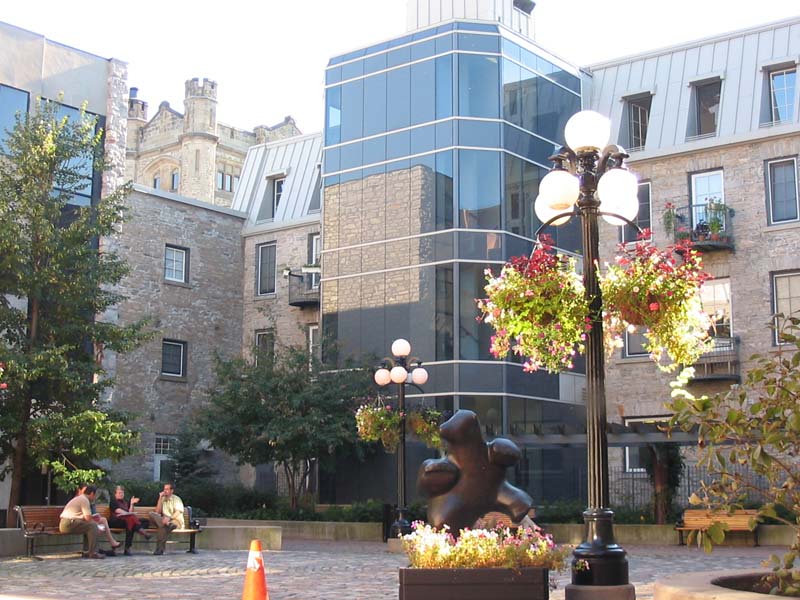
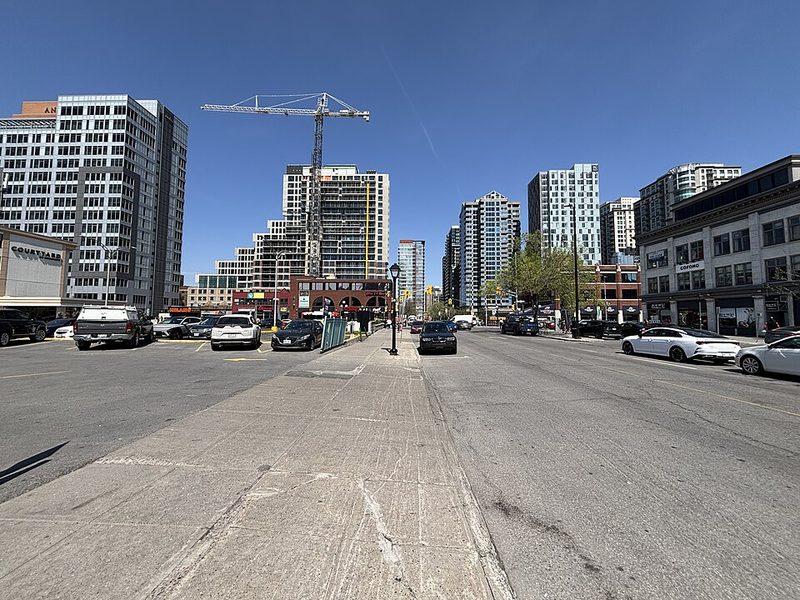
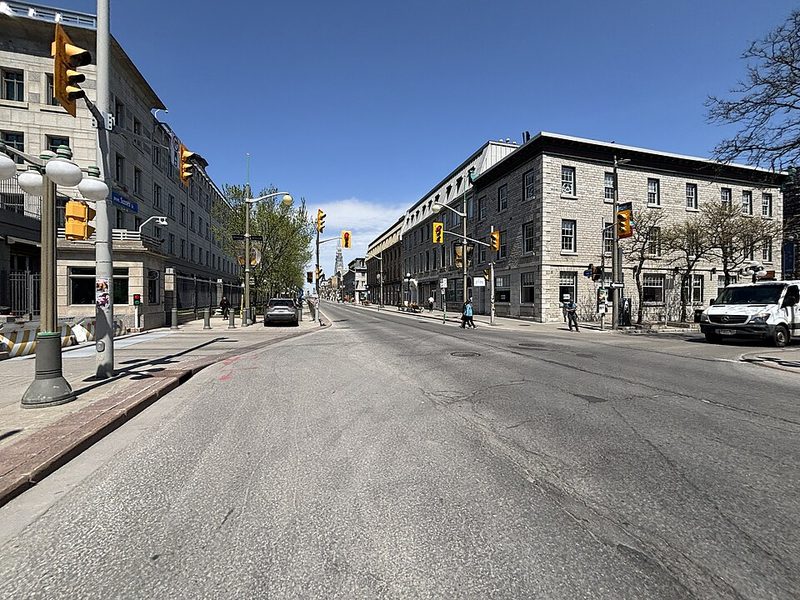
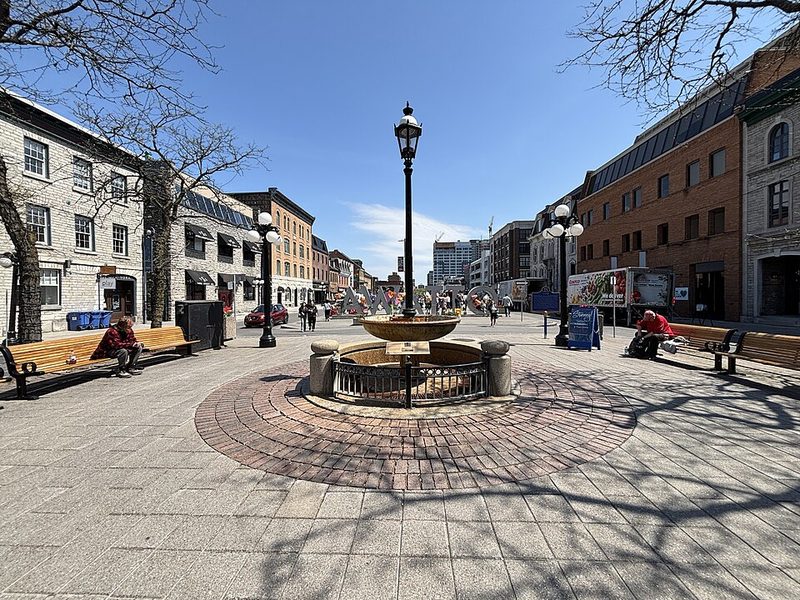
The ByWard Market has operated as a public market since 1826, making it one of Canada's oldest continuously running markets and Ottawa's most concentrated heritage neighbourhood. Located east of Parliament Hill and Major's Hill Park in the downtown core, the market district encompasses over 600 businesses across multiple blocks, with year-round indoor market buildings and seasonal outdoor vendor stalls along George, York, ByWard, and William streets. The area functions simultaneously as a working farmers' market, retail shopping district, restaurant concentration, and entertainment zone—a layered urban space that serves both residents and the million-plus tourists who visit annually.
Historical Development
The market's origins align with the early settlement period when Ottawa was still called Bytown and the timber trade dominated the local economy. Lieutenant Colonel John By, supervising construction of the Rideau Canal beginning in 1826, established the market to provide food and goods for the growing population of workers and settlers. The market's name preserves this connection to the canal's chief engineer and the settlement's original identity.
Throughout the 19th and early 20th centuries, the market district evolved from a rough frontier trading post into a more structured commercial area, though it retained its role as a primary source of fresh food and goods for Ottawa residents. The transition from timber town to national capital brought development pressure, but the market's central location and established community patterns helped preserve its market function even as surrounding areas changed. By the late 20th century, the district had developed its current character as a heritage retail and entertainment area where historical market traditions coexist with contemporary restaurants, bars, boutiques, and tourist-oriented businesses.
Market Operations and Layout
The ByWard Market Building anchors the district as a year-round indoor market space housing food vendors, artisan shops, and small businesses. The building's interior creates a European-style market hall atmosphere where visitors can purchase bagels, international foods, bubble tea, clothing, jewellery, and souvenirs from local artisans and vendors. This indoor component means the market functions through all seasons, providing continuity beyond the weather-dependent outdoor stalls.
Weather permitting, outdoor vendors set up along the surrounding streets during market season, typically from around 9 a.m. to 5 p.m., depending on conditions. These outdoor stalls sell fresh produce, flowers, crafts, and seasonal goods, creating the visual and social atmosphere most associated with traditional farmers' markets. The combination of permanent indoor vendors and seasonal outdoor stalls gives the market a variable character across the year—busier and more colourful during warm months, more contained and indoor-focused during Ottawa's long winters.
The district's over 600 businesses extend well beyond the core market building and outdoor vendor areas. Streets surrounding the market contain restaurants representing numerous cuisines, coffee shops, bars, boutiques, galleries, and service businesses. This density creates a walkable urban neighbourhood where market shopping can combine with dining, entertainment, and general retail in a compact area. Individual businesses set their own operating hours, so the district's activity patterns vary by time of day and week, with evening and weekend activity often focused on restaurants and nightlife rather than traditional market functions.
Visitor Experience and Practical Details
The market's location makes it easily accessible from other downtown Ottawa attractions. Parliament Hill sits roughly 800 metres to the west, and the National Gallery of Canada with its distinctive Maman spider sculpture stands immediately north of the market district. Major's Hill Park provides green space between the market and the river, and the Rideau Canal runs along the district's southern edge. This positioning means visitors exploring central Ottawa naturally encounter the market area as part of broader walking routes through the capital's core.
York Street Plaza within the market district has become a recognizable photo location, featuring an "OTTAWA" sign surrounded by colourful Muskoka chairs and trees decorated with lights. The plaza functions as a gathering space and orientation point within the market's somewhat irregular street layout, which predates modern urban planning and retains an organic, historical street pattern that can initially confuse visitors expecting grid regularity.
The market's reputation as the "number one tourist attraction in the National Capital Region" reflects both its historical significance and its concentration of visitor-oriented businesses. This tourism focus means the district can feel crowded during peak seasons and times, particularly summer weekends and during major festivals. Local residents also use the market regularly for food shopping and dining, creating a mix of tourist and local activity that varies by season and time.
Seasonal Character
Winter transforms the market's operations and atmosphere. Outdoor vendors largely disappear, and activity concentrates in the indoor market building and the many restaurants that take on renewed importance during cold months. The district's connection to winter festivals, particularly Winterlude, means February can bring increased foot traffic despite harsh weather, as festival programming and the nearby Rideau Canal Skateway draw visitors into the area.
Spring and summer represent peak market season, when outdoor vendor stalls fill with local produce, flowers, and artisan goods. The seasonal farmers' market component becomes most visible during these months, with vendors selling products that reflect Ottawa Valley agricultural patterns and growing seasons. The combination of food vendors, flower stalls, and outdoor dining creates the bustling market atmosphere that appears in tourism marketing and visitor memories.
The Market in Context
The ByWard Market's nearly 200-year continuous operation places it among Canada's oldest active markets, a distinction that reflects both historical accident and deliberate preservation efforts. Many 19th-century urban markets disappeared under development pressure or shifted to peripheral locations as city centres gentrified. The ByWard Market's survival in central Ottawa, metres from national government buildings, demonstrates how heritage commercial districts can adapt to changing economic conditions while maintaining core functions.
The market's current identity as heritage destination and tourist attraction represents a significant shift from its working-class origins as a frontier trading post. This evolution has brought both preservation funding and tourism dollars while potentially displacing some of the market's earlier working-class character and local food-provision role. The tension between authenticity and tourism is common to heritage markets globally, and ByWard Market navigates this by maintaining actual market vendors alongside tourist-oriented businesses, creating a hybrid space that serves multiple purposes simultaneously.
Sources: ByWard Market District Authority • ByWard Market - Wikipedia • ByWard Market Ottawa: Complete Visitor's Guide • The local's guide to Ottawa's ByWard Market