Winterlude transforms Ottawa and Gatineau into a three-weekend winter celebration that has operated since 1979, making it one of Canada's longest-running annual festivals. The event runs from late January through mid-February, concluding on Family Day Monday. For 2026, the festival spans 30 January through 16 February across three weekends (30 January–1 February, 6–8 February, and 13–16 February), with programming and activities concentrated at multiple sites throughout the National Capital Region.
Festival Structure and Sites
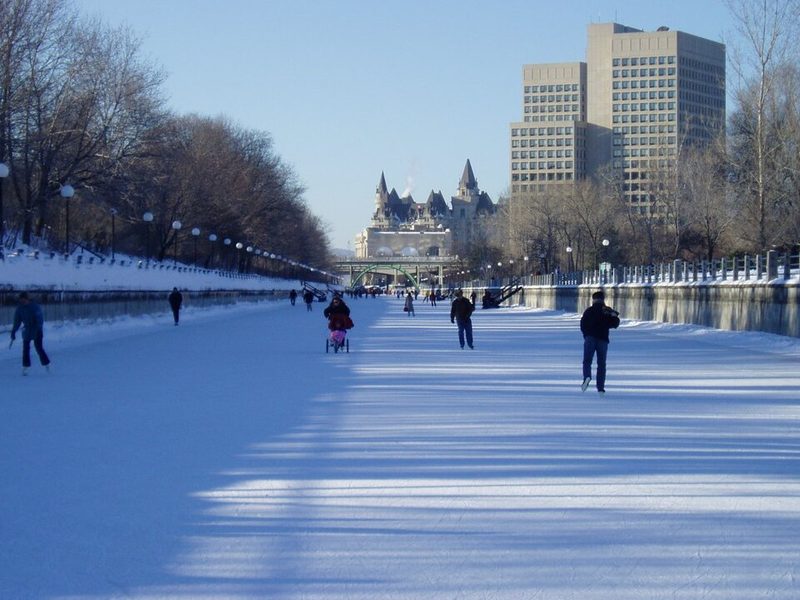
The Rideau Canal Skateway serves as Winterlude's focal point and most iconic element. At 7.8 kilometres, the skateway provides the festival's signature activity—free skating on what Guinness recognizes as the world's largest naturally frozen ice rink. The canal's location running through central Ottawa means the skateway connects different festival sites and creates a linear public space where festival activities and normal winter recreation merge. The canal typically operates throughout Winterlude's three-weekend run, though ice conditions depend entirely on weather and the National Capital Commission can close sections or the entire skateway if temperatures rise or ice quality deteriorates.
Snowflake Kingdom occupies Jacques-Cartier Park in Gatineau, across the Ottawa River from Parliament Hill. This site transforms into a massive snow park with ice slides, snow sculptures, and programming specifically designed for families and children. The Kingdom provides a contained festival zone where visitors encounter winter activities in a more structured environment than the dispersed canal skating experience. Activities at Snowflake Kingdom change each year but typically include large-scale snow slides, play structures, and interactive winter activities that turn snow and ice into entertainment infrastructure.
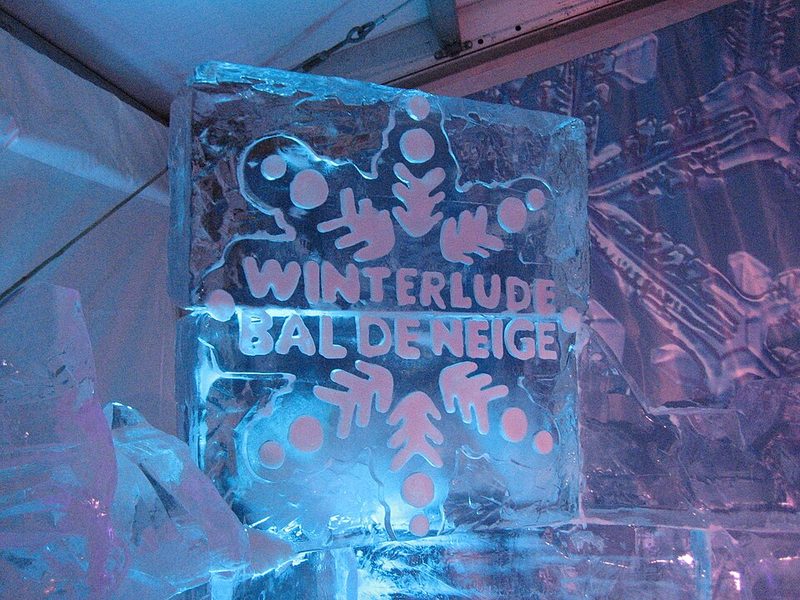
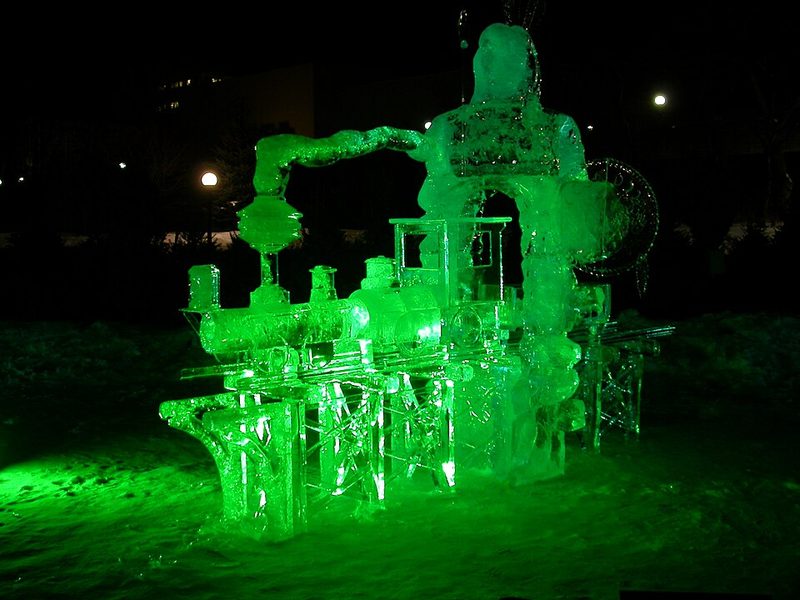
Confederation Park in downtown Ottawa hosts the Crystal Garden, where ice sculptors create elaborate works that remain on display throughout the festival period. The ice sculpture component adds visual spectacle to Winterlude's activity-focused programming, with illuminated sculptures creating particular impact during evening hours. The sculptures represent Canadian and international carving traditions, with competitions and demonstrations sometimes forming part of the festival's educational programming.
Activities and Programming
Beyond the three primary sites, Winterlude programming extends to various locations across Ottawa and Gatineau. Events and activities vary by year but have included bed racing and ice dragon boat racing—competitive events that combine athletic activity with theatrical spectacle in ways specific to winter festival culture. A winter triathlon has featured an 8-kilometre skate across the Rideau Canal, a 5-kilometre run along Colonel By Drive, and a 6-kilometre ski at Mooney's Bay Park, creating a multi-discipline event that uses diverse winter sports infrastructure.
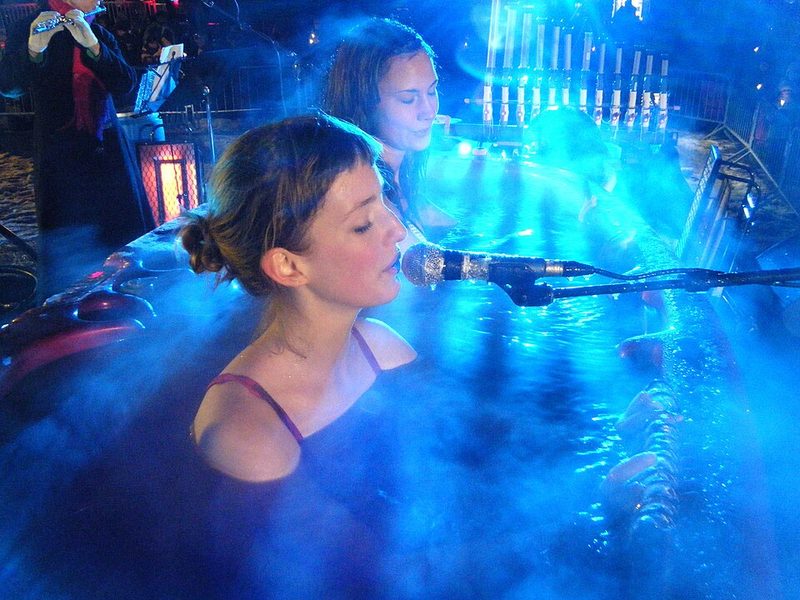
The 2026 festival included additional programming beyond core Winterlude sites, including Igloofest—described as "the world's coldest music festival"—running 12–14 February with performers such as Steve Aoki. These partnerships and expanded programming reflect Winterlude's evolution from primarily activity-based winter celebration to broader cultural festival that incorporates music, performance, and diverse entertainment forms alongside traditional winter sports and recreation.
Shows, exhibitions, and demonstrations throughout the festival period provide cultural and educational content beyond physical activities. The festival's mandate to immerse visitors "in the heritage of Canada's diversity" shapes programming decisions, with events designed to represent various cultural traditions and communities across Canada. The extent to which this diversity programming succeeds in representing Canada's actual demographic and cultural complexity varies by year and specific event.
Visitor Experience and Practical Considerations
Winterlude's three-weekend structure provides flexibility for visitors while creating consistent programming that rewards repeat attendance throughout the celebration. Those visiting Ottawa during the festival period can choose to attend single weekends or experience the event across multiple weeks, with activities and features generally remaining available throughout the entire run rather than concentrating on specific dates.
The festival operates in Ottawa's winter climate, with February temperatures frequently dropping well below freezing. Visitors should prepare for extended outdoor activity in harsh conditions—warm clothing, appropriate footwear, and awareness of cold exposure risks are essential. Warming stations at festival sites provide temporary shelter, but the fundamental nature of winter festival attendance means accepting significant cold exposure as part of the experience.
Most Winterlude activities are free, including canal skating, Snowflake Kingdom access, and Crystal Garden viewing. Some associated events may carry admission charges, and activities like skate rentals at the canal involve costs even when the skating itself is free. This free-admission model makes the festival accessible regardless of visitor budgets, though associated costs for food, transportation, and equipment can add up across a full festival day.
Festival History and Evolution
The Department of Canadian Heritage started Winterlude in 1979 as a winter celebration designed to embrace rather than merely endure Canada's harsh winter climate. The timing aligned with broader late-1970s and 1980s cultural movements that sought to create distinctive Canadian cultural expressions and events, particularly in the national capital where federal identity and cultural programming could combine.
The festival's nearly 40-year history has seen significant evolution in scale, programming, and cultural positioning. Early editions focused primarily on winter sports and canal skating, with more modest supporting activities. Over decades, the event expanded to incorporate larger-scale sculptures, more diverse programming, and increased international participation and recognition. The festival's growth paralleled Ottawa's development as tourist destination and reflected changing approaches to winter city management that emphasize activation and celebration of cold-weather periods rather than viewing winter primarily as obstacle to urban life.
Winterlude in Context
Among Canadian annual festivals, Winterlude holds particular significance due to its national capital location and federal government backing. The event functions as both tourist attraction and assertion of national identity—a claim that Canadian culture embraces winter as defining characteristic rather than unfortunate geographic accident. This positioning appears in festival marketing and programming that present winter recreation and celebration as authentically Canadian rather than activities forced by climate.
The festival's actual attendance and economic impact fluctuate with weather conditions, competing events, and tourism patterns. Unusually warm winters that prevent canal freezing or create poor ice conditions significantly undermine the festival's signature element, while harsh cold can reduce attendance despite theoretically being ideal for winter celebration. This vulnerability to weather variability reflects the fundamental challenge of programming outdoor winter events in an era of increasing climate volatility.
Winterlude competes for winter festival attention with events across Canada and internationally, from Quebec City's Winter Carnival to European and Asian winter festivals. Its distinctive elements—particularly the canal skateway's unique character and scale—provide differentiation, though the festival's overall programming shares common features with winter events elsewhere. The festival's success depends partly on how effectively it leverages its location in Canada's capital and its connection to national identity narratives that extend beyond simple winter recreation.
Sources: Winterlude 2026 - Canada.ca • Winterlude - Wikipedia • Winterlude | Ottawa Tourism • What to do during Winterlude 2026