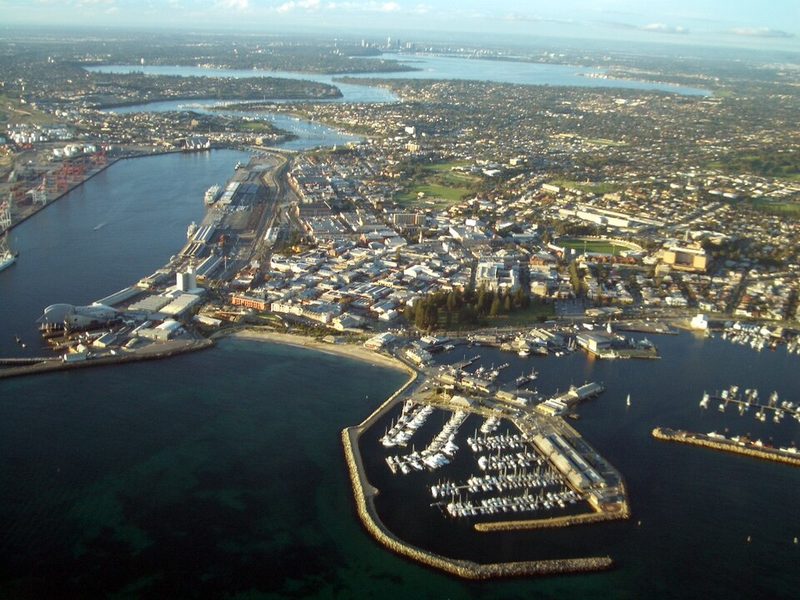
Fremantle sits at the mouth of the Swan River, 19 kilometres southwest of Perth's city centre. Established as the maritime gateway to the Swan River Colony, it developed a distinct character shaped by convict labour, port commerce, and waves of immigration. Today Fremantle functions both as a working port and a heritage precinct, with limestone colonial buildings, the Fremantle Markets, and Fremantle Prison drawing residents and visitors.
Fremantle Prison: Convict Heritage and World Heritage Status
Fremantle Prison was constructed in the 1850s using convict labour, following the arrival of convict transportation to Western Australia. The prison was built to house imperial convicts and continued operating until 1991, making it one of Australia's longest-serving prisons. In 2010, it was inscribed on the UNESCO World Heritage List as part of the Australian Convict Sites serial listing, making it Western Australia's only World Heritage building.
The prison initially held imperial convicts until 1886, when control passed to the colonial government and it became Western Australia's primary place of confinement. Perth Gaol, built by convicts in the 1850s, closed in 1886 and its inmates—including women—were transferred to Fremantle. The facility continued as a maximum-security gaol from 1887 to 1991, with periods serving as an internment centre during World War II and housing Aboriginal prisoners, though the emphasis on convict-era interpretation has sometimes overshadowed these more recent histories.
Tours are available, including the Convict Prison Tour focusing on the 1850s-1886 period, Behind Bars Tour covering the prison's later operation, Tunnels Tour exploring underground passages, and evening Torchlight Tours. Visitors should check current tour schedules and availability directly with Fremantle Prison, as offerings and times vary.
Fremantle Markets: A 19th-Century Institution
The Fremantle Markets have operated since 1897 within their limestone building. The markets are open Friday (8am-8pm), Saturday (8am-6pm), Sunday (8am-6pm), and public holidays (8am-6pm), though visitors should verify current hours before planning a visit. The markets house stalls run by local artists, makers, growers, and food vendors.
The building sits in central Fremantle and functions as both a working market and a heritage site. Fresh produce, crafts, clothing, and prepared food are available. An outdoor area called The Yard provides seating, though it fills quickly on busy days. The markets attract both locals doing weekend shopping and tourists exploring Fremantle's historic precinct.
Port History and Maritime Character
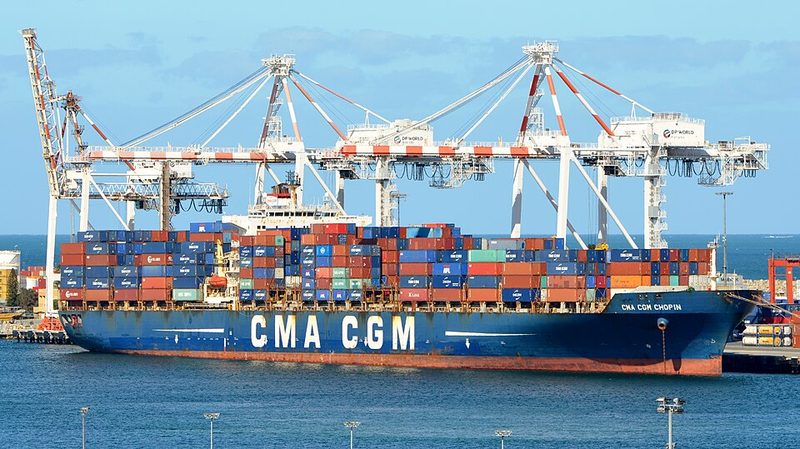
Fremantle developed as the Swan River Colony's port from the 1830s onward. Its role as a convict depot shaped the town's early growth, and subsequent waves of immigration—particularly from Italy and other Mediterranean countries—contributed to the town's cultural character. The port remains active today, handling container shipping and serving as a departure point for ferries to Rottnest Island.
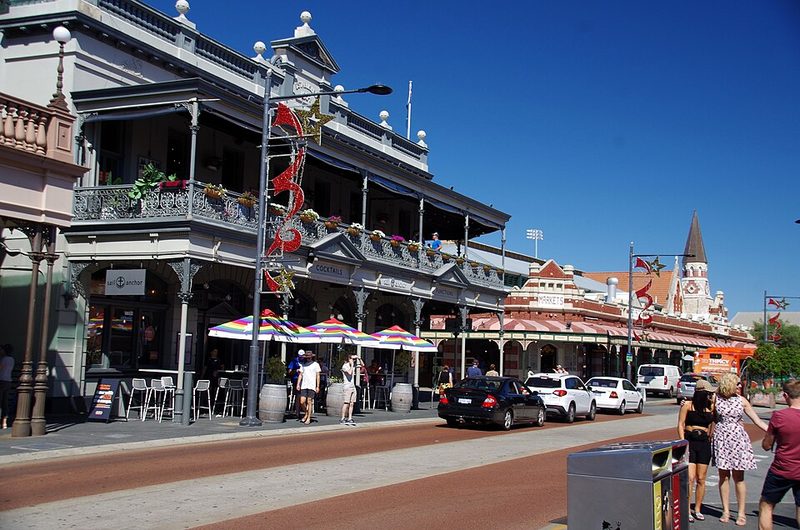
Maritime heritage is visible throughout the town. The B-Shed Ferry Terminal serves as a departure point for Rottnest ferries. Historic port buildings, including warehouses and administrative structures, line the harbour area. Fremantle's architecture reflects its 19th-century boom period, with limestone buildings constructed during the gold rush era still standing in the town centre.
Getting to Fremantle
Fremantle is accessible from Perth by train, with the Fremantle Line running from Perth CBD to Fremantle Station. The journey takes approximately 30 minutes. Road access is via the Stirling Highway or Leach Highway. Parking in central Fremantle can be limited on market days and weekends. Fremantle Prison and the markets are both within walking distance of Fremantle Station, making the train a practical option for visitors.
Practical Notes
Fremantle functions as a district of metropolitan Perth but maintains a distinct identity. Weekend visits during market hours will be busier than weekdays. Summer temperatures (December-February) can be high, and the port's exposed position means sea breezes are common. Heritage walking trails and interpretive signage provide self-guided orientation to the town's history, though details should be checked with the Fremantle Visitor Centre for current offerings.
Sources: Fremantle Prison - Official Site • Fremantle Prison Tours • Fremantle Prison - A Brief History • Fremantle Markets Official Site • Fremantle Markets WA - Opening Times