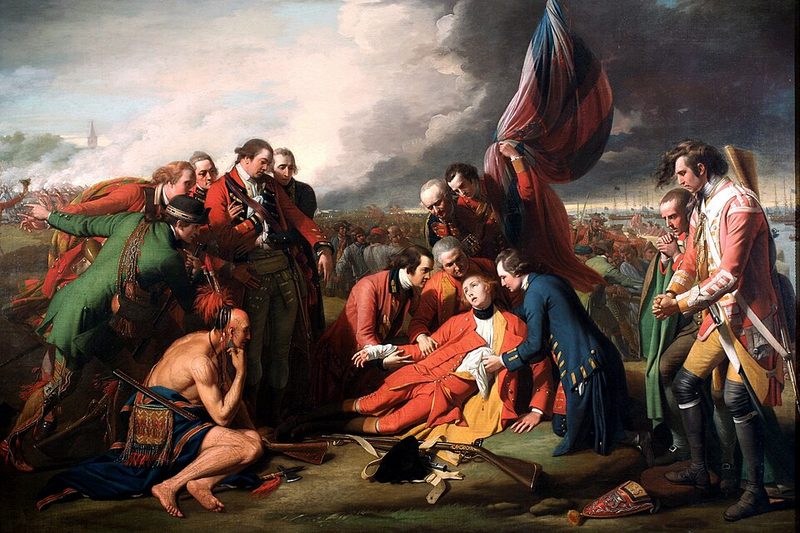
Battle of the Plains of Abraham
The Battle of the Plains of Abraham, fought on 13 September 1759, was the decisive military engagement of the Seven Years' War in North America and one of the most consequential events in Canadian history. In a confrontation lasting less than an hour on the plateau above Québec City, British forces under General James Wolfe defeated the French army commanded by the Marquis de Montcalm. Both commanders died of wounds sustained in the battle. The French defeat ended French military control of Québec and set the course for British dominance over the region that would eventually become Canada.
The battlefield itself is now a public park administered by the National Battlefields Commission. The Plains of Abraham cover a broad plateau of green space within the upper town, open year-round and free to visit on foot. The site contains the Wolfe-Montcalm Monument — one of the few monuments in the world to commemorate opposing commanders on the same memorial — along with the Joan of Arc Garden, four Martello towers dating from the early 19th century, and interpretive installations about the battle and the park's development. The commission's official site documents the creation and development of the Battlefields Park in detail.
The wider significance of 1759 is still felt in Québec's political and cultural life. The battle is the historical hinge point behind the province's bilingual but predominantly francophone identity; the French-Canadian community's survival and eventual cultural assertion in the face of British rule gives the Plains of Abraham a weight that goes beyond military history tourism. Visitors approaching the site from the upper town can reach it on foot from the Château Frontenac area via the Terrasse Dufferin and the Governors' Walk. The battlefield is also the setting for the Festival d'été de Québec, which uses the open space for large outdoor concerts each summer.
The Battle of Québec of 1775 — a separate engagement fought when American colonial forces attempted to capture the city during the Revolutionary War — adds another historical layer to the lower town. That assault, repulsed at Sault-au-Matelot in the streets below the cliff, is documented in historical paintings and records and represents the second major military test the city survived in under two decades.
Frequently Asked Questions
When was the Battle of the Plains of Abraham?
The battle was fought on 13 September 1759 during the Seven Years' War. It lasted less than an hour, and both commanders, General James Wolfe and the Marquis de Montcalm, died from wounds sustained in the fighting.
Can you walk the battlefield today?
Yes. The Plains of Abraham are now a public park in Québec City's upper town, reachable on foot from the Château Frontenac area by the Terrasse Dufferin and Governors' Walk.
What else is on the Plains of Abraham?
The park includes the Wolfe-Montcalm Monument, the Joan of Arc Garden, four early-19th-century Martello towers and interpretive material about the battlefield. It also becomes a major outdoor concert site during Festival d'été de Québec.
Sources: Battle of the Plains of Abraham - Wikipedia • Plains of Abraham - National Battlefields Commission • Visit Québec City - Plaines d'Abraham • Joan of Arc Garden - National Battlefields Commission • 6 Top Quebec Landmarks to Discover - Chasing Poutine