

What Raleigh is known for
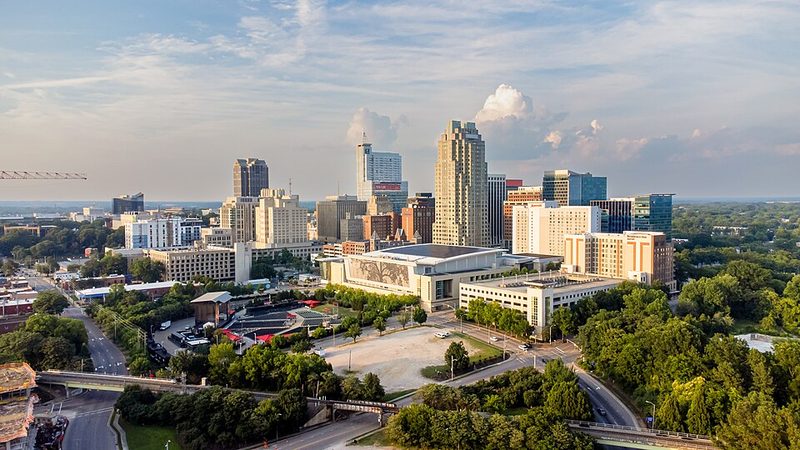
Raleigh occupies an unusual position among American state capitals. Founded in 1792 as a planned seat of government at the geographical heart of North Carolina, it spent nearly two centuries as a steady administrative centre surrounded by oak-lined streets. That foundation remains visible today, but the city has transformed substantially since the mid-20th century. The establishment of Research Triangle Park in the late 1950s—a planned research campus developed in partnership with Duke University, the University of North Carolina at Chapel Hill, and North Carolina State University in Raleigh—redirected the local economy toward technology, life sciences, and research. The metropolitan area now exceeds 1.4 million residents, and Raleigh itself has grown to nearly half a million, making it North Carolina's second-largest city.
The nickname "City of Oaks" reflects a defining characteristic that persists through this growth: mature oak trees line residential streets and frame public spaces throughout older neighbourhoods. The city's museums—particularly the North Carolina Museum of Natural Sciences and the North Carolina Museum of History, both offering free admission—have earned the area the informal designation "Smithsonian of the South". Visitors will find a place where planned 18th-century geometry meets 21st-century sprawl, where state government offices operate alongside expanding technology campuses, and where the practical challenges of rapid growth—traffic, infrastructure strain, housing development—sit alongside genuine cultural assets.
Getting Oriented
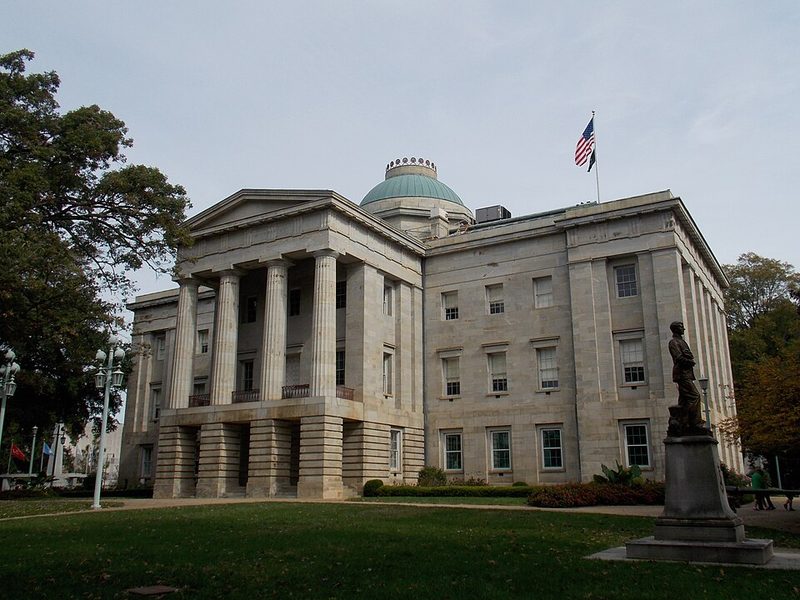
The original city plan, dating to the 1790s, established a central public square surrounded by government buildings arranged in a grid pattern. That core remains legible in downtown Raleigh today, though the city has expanded considerably beyond those early boundaries. The Piedmont landscape offers modest elevation and no dramatic natural features—no visible mountain ranges, no major waterways defining the setting. What shapes Raleigh's geography now is its regional position: the city anchors the western point of the Research Triangle, with Durham 35 kilometres northwest and Chapel Hill roughly 45 kilometres west.
North Carolina State University, founded in 1887 as a land-grant research institution, occupies a substantial footprint west and southwest of downtown and enrolls over 36,000 students, making it the largest university in the Carolinas. The university's presence, combined with the Research Triangle Park approximately 20 kilometres southeast of central Raleigh, has shaped employment patterns, housing demand, and the character of surrounding neighbourhoods. Downtown itself contains the legislative complex, museums, and the Glenwood South district, an area noted for restaurants, breweries, and nightlife concentrated along Glenwood Avenue south of downtown proper.
Historical Development
The North Carolina General Assembly selected the site for Raleigh in 1788 and formally established the capital in 1792, naming it after Sir Walter Raleigh, who had sponsored the failed Roanoke Colony attempt in the 1580s. The choice was deliberate: rather than favouring an existing commercial town, legislators selected undeveloped land in Wake County that offered geographical balance within the state. For decades, Raleigh remained small and functionally oriented toward government, with scattered trading posts and rural townships in the surrounding area.
The North Carolina Railroad, completed through Raleigh in the 1850s, provided the first significant infrastructure connecting the capital to other population centres. This enabled the development of textile, tobacco, and furniture industries in the late 19th and early 20th centuries. The city grew steadily but without the explosive booms seen in port cities or major manufacturing centres. It remained, fundamentally, a government town with supplementary industry until the mid-20th century.
The establishment of Research Triangle Park, beginning in 1959, marked the inflection point. Conceived by local leaders as a way to retain university graduates and attract research-oriented employers, the park offered land and infrastructure purpose-built for corporate and government research facilities. IBM opened operations there in 1965; other technology, pharmaceutical, and telecommunications companies followed. By 2000, the area had documented over 1,000 technology-based start-ups in the surrounding counties since 1970. Employment in the park peaked at approximately 45,000 during the 1990s technology boom; current figures sit near 38,000 across roughly 140 companies. That shift from government-dominated employment to a mixed economy with substantial private-sector technology and research employment has reshaped the city's demographics, housing market, and infrastructure demands.
Museums and Cultural Institutions
Raleigh's principal museums cluster near downtown and offer free general admission. The North Carolina Museum of Natural Sciences, recognisable by its three-storey multimedia globe installation called the Daily Planet, houses extensive natural history collections, including what the museum describes as one of the most impressive whale skeleton collections in the United States. The facility displays a notable dinosaur fossil and maintains both permanent and rotating exhibitions. Directly across the street, the North Carolina Museum of History presents North Carolina-focused exhibitions, including "The Story of North Carolina", which incorporates artefacts such as a lunch counter from a 1960 civil rights sit-in in Salisbury and a restored one-room slave cabin from Martin County.
The North Carolina Museum of Art, located outside the central grid, maintains collections spanning classical works to contemporary installations. The museum has received recognition in multiple national rankings. Additional institutions include the City of Raleigh Museum, housed in a building erected in 1874 for the Briggs Hardware Store, which was described at the time as the tallest building in eastern Carolina and Raleigh's first "skyscraper". The museum focuses on the city's material culture and local history.
Food and Drink
The food scene reflects both North Carolina's barbecue traditions and the demographic shifts accompanying technology-sector growth. The Pit, a barbecue establishment focusing on whole hog cooking and traditional Southern sides, represents the older culinary lineage. Herons at The Umstead Hotel and Spa has appeared in national fine dining rankings. Brewery Bhavana combines a brewery with a restaurant and has developed a regional reputation; Trophy Brewing operates three locations in the area. The Glenwood South district concentrates numerous restaurants, bars, and breweries within walkable blocks along Glenwood Avenue.
North Carolina barbecue typically divides into eastern and western (Piedmont) styles, differentiated by sauce composition and preparation method. Raleigh, positioned in the Piedmont, sits near the transition zone between these traditions, and visitors will find establishments representing both approaches. The city's brewery concentration reflects broader North Carolina trends—the state ranks among the top U.S. states for craft brewery count per capita.
Is Raleigh Worth Visiting?
Raleigh functions primarily as a regional hub rather than a major tourist destination. The free museums—particularly the natural sciences and art collections—provide worthwhile visits, and the concentration of breweries and restaurants in Glenwood South and downtown offers food-focused itineraries. The city serves best as a base for exploring the Research Triangle area or as a stopover for travellers moving between the North Carolina coast and the mountains to the west. Visitors specifically interested in research park development, Southern state capitals, or university towns will find relevant examples here. Those seeking coastal attractions, mountain scenery, or concentrated historic districts will find better options elsewhere in North Carolina.
Where to Stay in Raleigh
Downtown Raleigh and the adjacent Glenwood South district offer the most walkable access to restaurants, museums, and nightlife. The Hampton Inn & Suites Raleigh Downtown positions visitors within the Glenwood South entertainment area. The neighbourhood also contains newer residential developments such as Alexan Moto and 400H, which include short-term rental options. Hotels near the airport or along highway corridors offer less expensive alternatives but require a vehicle for practical access to central attractions. North Hills, located northeast of downtown, provides a mixed-use area with shopping, dining, and hotel options within a planned development. Visitors focusing on North Carolina State University should consider accommodations in the Hillsborough Street corridor west of downtown.
How Many Days Do You Need in Raleigh?
Two days provide sufficient time to visit the principal museums, explore downtown and Glenwood South, and sample local restaurants and breweries. A third day allows for a visit to North Carolina State University campus or Research Triangle Park, though the latter functions primarily as a corporate campus with limited visitor-facing attractions. Travellers using Raleigh as a base for day trips to Durham, Chapel Hill, or other Triangle-area destinations may require additional nights, but the city itself does not demand an extended stay.
Is Raleigh Safe for Visitors?
The UK Foreign, Commonwealth & Development Office and the U.S. State Department issue no specific warnings or restrictions for Raleigh or North Carolina. Both agencies advise normal precautions for travel to the United States. Visitors should follow standard urban safety practices—awareness of surroundings, securing valuables, avoiding isolated areas late at night. Raleigh's rapid growth has brought the infrastructure challenges and traffic congestion typical of expanding metropolitan areas, but these do not constitute specific safety concerns. Travellers should consult current official guidance from the UK FCDO or U.S. State Department before departure.
Practical Information
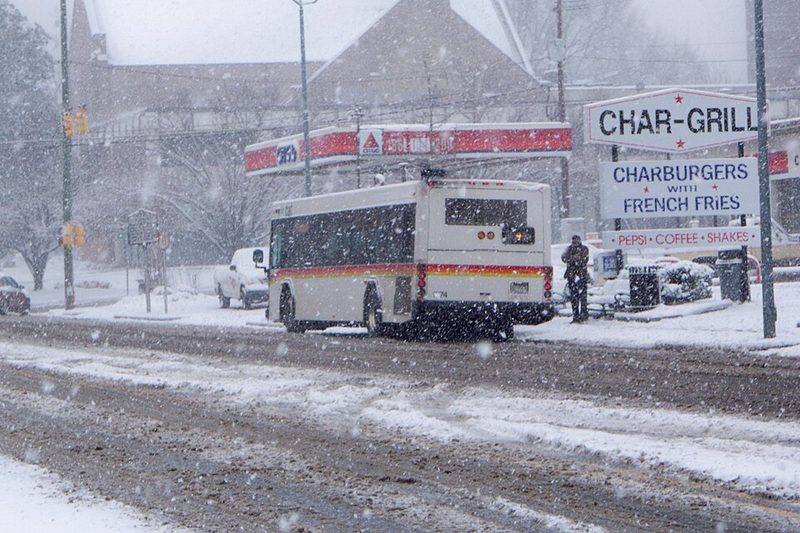
Raleigh-Durham International Airport serves the Research Triangle area and offers connections to major domestic hubs and some international destinations. The airport lies approximately 20 kilometres from downtown Raleigh. The city operates a bus system (GoRaleigh), but service frequency and route coverage reflect a car-oriented metropolitan area. Most visitors will find a vehicle necessary for practical mobility beyond the downtown core. Raleigh observes Eastern Time (UTC-5, UTC-4 during daylight saving time). The city's Piedmont location results in hot, humid summers and mild winters with occasional snow. Spring and autumn offer the most comfortable temperatures for walking and outdoor activities.
North Carolina Museum of Natural Sciences
The North Carolina Museum of Natural Sciences, the largest natural history museum in the southeastern United States, occupies two buildings in downtown Raleigh at 11 and 121 West Jones Street. The facility operates Tuesday–Sunday, 10am–5pm, with free general admission. Collections include one of the nation's most impressive whale skeleton displays, the Dueling Dinosaurs fossil specimen in the SECU DinoLab, and galleries tracing North Carolina's prehistoric past from the Ediacaran Period through the Ice Age. The Nature Research Center, opened in 2012, features the three-storey SECU Daily Planet multimedia globe and working research laboratories visible to visitors. The WRAL 3D Theater screens educational films, and the museum's downtown location places it within a walkable museum district that includes the North Carolina Museum of History across the street.
Read the full North Carolina Museum of Natural Sciences guide
Sources: North Carolina Museum of Natural Sciences - Official Site • North Carolina Museum of Natural Sciences - Wikipedia • Nature Research Center - Permanent Exhibits
Research Triangle Park
Research Triangle Park (RTP), established in 1959 between Raleigh, Durham, and Chapel Hill, is the largest research park in the United States, covering 7,000 acres. Founded through the efforts of Governor Luther Hodges and regional leaders, RTP leverages the intellectual resources of North Carolina State University, Duke University, and UNC Chapel Hill. The park houses hundreds of organisations employing approximately 38,000 people, including IBM, GlaxoSmithKline, and Cisco Systems. Notable innovations developed in RTP include the Universal Product Code, 3D ultrasound technology, and AstroTurf. Whilst primarily a working research campus requiring advance arrangements for facility access, RTP maintains public walking and biking trails. A 2000 study documented over 1,000 technology-based startups in the Triangle counties since 1970, with more than 150 traceable to RTP university connections.
Read the full Research Triangle Park guide
Sources: Research Triangle Park - Official Site • Research Triangle Park - Wikipedia • Research Triangle Park - NCpedia • Visiting RTP
Glenwood South Entertainment District
Glenwood South, Raleigh's primary entertainment district along Glenwood Avenue between Peace and Wade Streets, has evolved over 40 years from scattered shops into a dense mixed-use neighbourhood housing more than two dozen bars and restaurants. The district functions as both Raleigh's densest residential area, with recent developments including Alexan Moto and 400H apartment buildings, and its most active nightlife destination. Dining options include Sushi Blues Cafe, The Rockford, XOCO Raleigh, and Hibernian Restaurant & Pub, transitioning from daytime professional lunches to intense weekend nightlife. The district's walkable concentration allows visitors to move between multiple venues on foot, though parking challenges on weekend evenings are significant. The historic Carter Building houses art studios, and the area continues to evolve with ongoing property acquisitions and redevelopment proposals.
Sources: Glenwood South - Downtown Raleigh Alliance • Glenwood South Raleigh - Visit Raleigh • Neighborhood Guide To Glenwood South - This Is Raleigh
North Carolina Barbecue Traditions
North Carolina's barbecue tradition divides geographically into two distinct styles: Eastern and Lexington (Western), with the line of demarcation running approximately through Raleigh itself. This division reflects both historical development patterns and ongoing debates about technique, sauce, and presentation that shape the state's culinary identity. Raleigh, positioned at the geographical and cultural boundary between these traditions, offers access to both styles and serves as a proving ground where restaurants draw influences from across the state.
Sources: Raleigh Barbecue - Visit Raleigh • Why Are There Two Styles of NC Barbecue? - Our State • Going Whole Hog: History of North Carolina BBQ • The BBQ state - Elon News Network