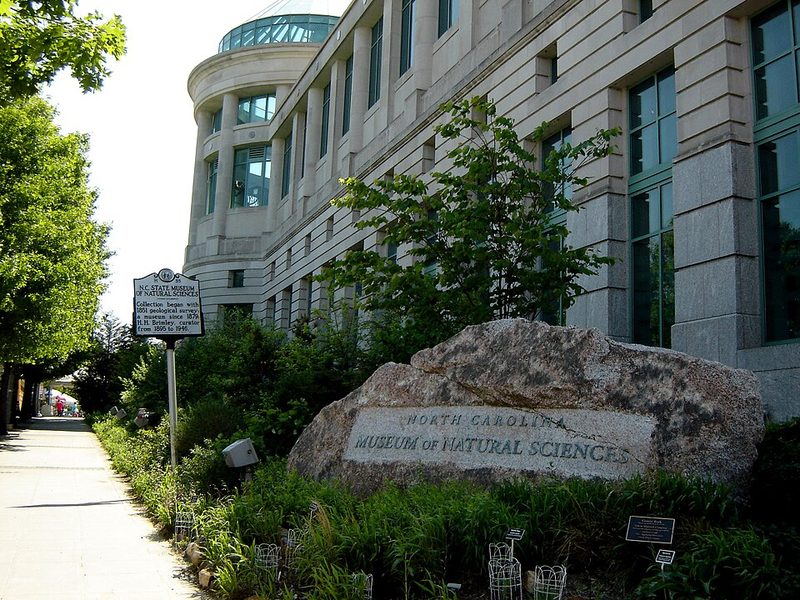
The North Carolina Museum of Natural Sciences occupies two buildings at 11 and 121 West Jones Street in downtown Raleigh and ranks as the largest natural history museum in the southeastern United States. The facility operates Tuesday through Sunday, 10am–5pm, with free general admission—part of Raleigh's reputation as the "Smithsonian of the South" for its concentration of publicly accessible museums and educational institutions.
Collections and Major Exhibits
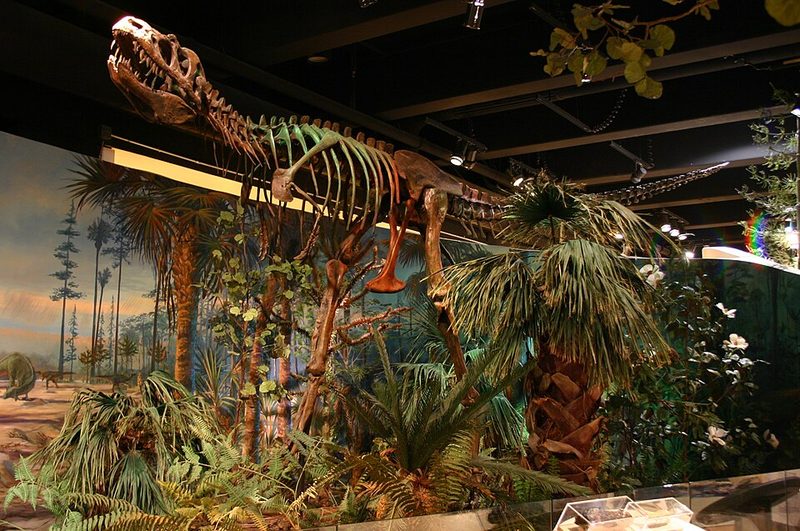
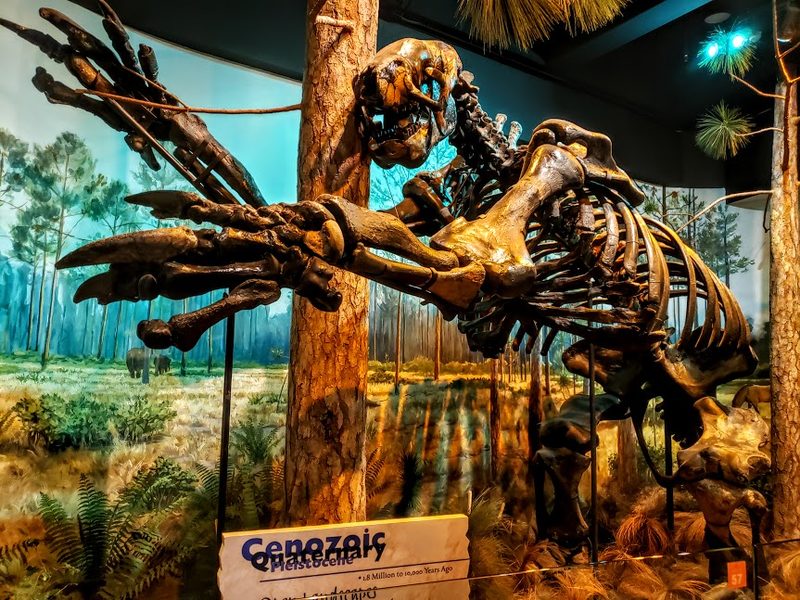
The museum's permanent collection spans natural history from microscopic beginnings of life during the Ediacaran Period through contemporary biodiversity research. Visitors encounter one of the most impressive whale skeleton collections in the nation, displayed in galleries designed to emphasise scale and anatomical detail. The paleontology collection includes fossils from North Carolina's prehistoric past, with specimens ranging from ancient Triassic predators that lived millions of years before dinosaurs evolved to more recent Ice Age fauna.
The SECU DinoLab, located on the first floor, houses the museum's most significant recent acquisition: the Dueling Dinosaurs specimen, a remarkable fossil find displayed alongside interactive exhibits about the Cretaceous period. A cast of a Nothronychus skeleton provides additional context for visitors interested in understanding dinosaur diversity. The museum also displays a juvenile Tyrannosaurus rex specimen, and visitors can photograph themselves within the reconstructed jaws of Carcharodon megalodon, the largest shark species to have menaced coastal waters.
Nature Research Center and Daily Planet
The Nature Research Center building, which opened in 2012, introduced a working research facility visible to museum visitors. The facility's signature architectural feature is the SECU Daily Planet, a three-storey multimedia globe that serves as both landmark and educational programming area. Research laboratories occupy the second floor in the Biodiversity and Earth Observation Research Laboratory, where ongoing scientific work provides context for the museum's educational mission.
The Daily Planet Cafe, located within the museum, offers fresh and locally sourced food options for visitors spending extended time exploring the collections. The WRAL 3D Theater screens approximately 30-minute educational films including Conquest of the Skies 3D, Dinosaurs Alive! 3D, Museum Alive 3D, and Flight of the Butterflies 3D, with programming appropriate for most ages.
Visiting Practicalities
The museum's downtown Raleigh location places it within walking distance of other state museums and government buildings, making it part of a concentrated cultural district. Hours are posted as Tuesday–Sunday, 10am–5pm, closed Mondays and some holidays, though visitors should verify current schedules locally as operating hours can vary. The facility's two-building structure means thorough exploration requires several hours; families and school groups constitute a significant portion of visitors, particularly during weekdays outside of holiday periods.
Free admission removes a significant barrier for repeat visits and allows visitors to focus on specific galleries or exhibitions without feeling obligated to see everything in a single trip. The museum's emphasis on working research laboratories distinguishes it from traditional natural history museums, offering insight into how specimens are studied and interpreted beyond simple display.
Sources: North Carolina Museum of Natural Sciences - Official Site • North Carolina Museum of Natural Sciences - Wikipedia • Nature Research Center - Permanent Exhibits