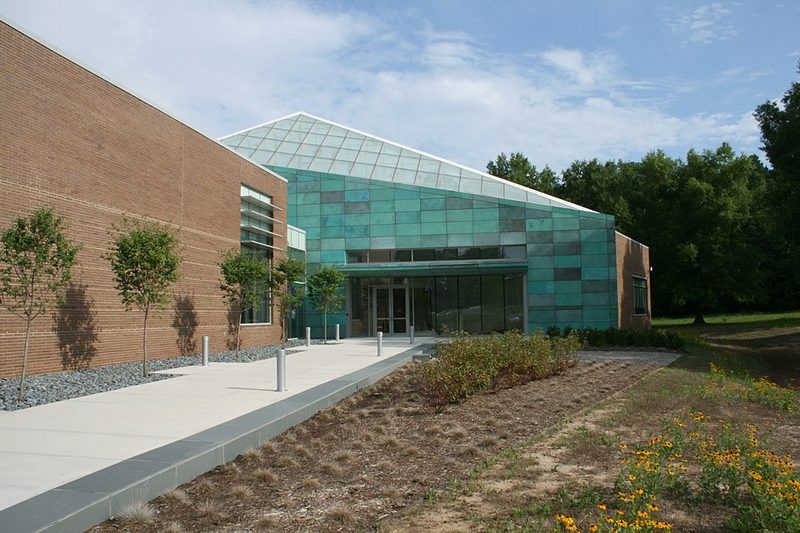
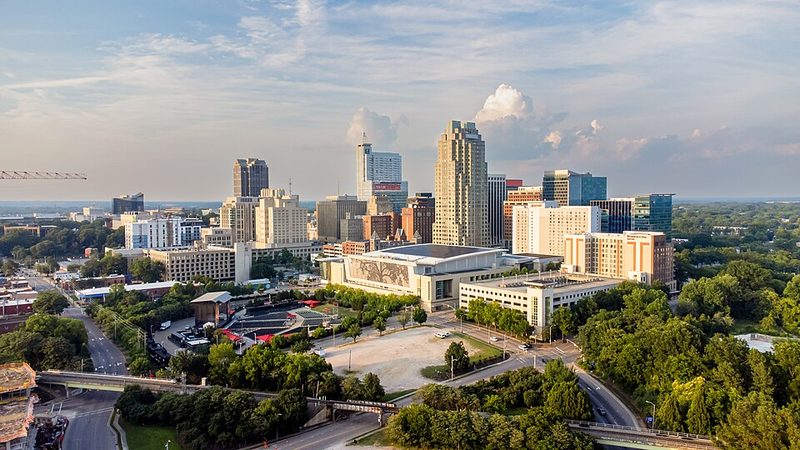
Research Triangle Park (RTP) covers 7,000 acres between Raleigh, Durham, and Chapel Hill, forming the largest research park in the United States. Established in 1959 through the efforts of Governor Luther Hodges and regional business and academic leaders, RTP was designed to leverage the intellectual resources of North Carolina State University, Duke University, and the University of North Carolina at Chapel Hill whilst addressing the state's post-war economic challenges. The park houses hundreds of organisations including science and technology firms, government agencies, academic institutions, startups, and non-profit research organisations employing approximately 38,000 people.
Origins and Development
The concept emerged in the early 1950s when Romeo Guest, a local builder and contractor, began advocating for a research-focused development after unsuccessfully attempting to bring pharmaceutical company Merck to Aberdeen, North Carolina, in the 1940s. Guest is first known to have used the "Research Triangle" name in 1953, identifying the geographical and intellectual relationship between the three major universities. Governor Luther Hodges officially greenlit the project in 1956, though the universities initially remained wary of the initiative.
The Research Triangle Committee formed in 1956, and executive director George Simpson approached developer Karl Robbins in 1957 to acquire and develop land for the proposed park. Businessman Archie Davis led fundraising efforts, securing nearly $1.5 million by late 1958 to purchase the land from the Pinelands Company and establish the Research Triangle Institute (RTI), an independent non-profit contract research corporation. Governor Hodges formally announced RTP's creation at a press conference on 9 January 1959, with the non-profit Research Triangle Foundation established to oversee park management.
Economic Impact and Innovation
RTP's development fundamentally altered North Carolina's economic trajectory. By the early 2000s, the park was characterised as the "engine for economic growth in the region." A 2000 study documented over 1,000 technology-based startups in the Triangle counties since 1970, with more than 150 traceable to RTP's university connections. The park reached peak employment of approximately 45,000 during the 1990s technological boom.
Notable innovations developed within RTP include the Universal Product Code (UPC barcode), 3D ultrasound technology, and AstroTurf. Major corporations with facilities in RTP include IBM, GlaxoSmithKline, Cisco Systems, and Nortel Networks. IBM's RTP facility historically handled products including the IBM 1050 terminal, Selectric typewriters, personal computers, and BladeCenter servers. In 1976, the three founding universities formed the Triangle Universities Center for Advanced Studies (TUCASI) consortium to develop joint research initiatives.
Visitor Access and Public Amenities
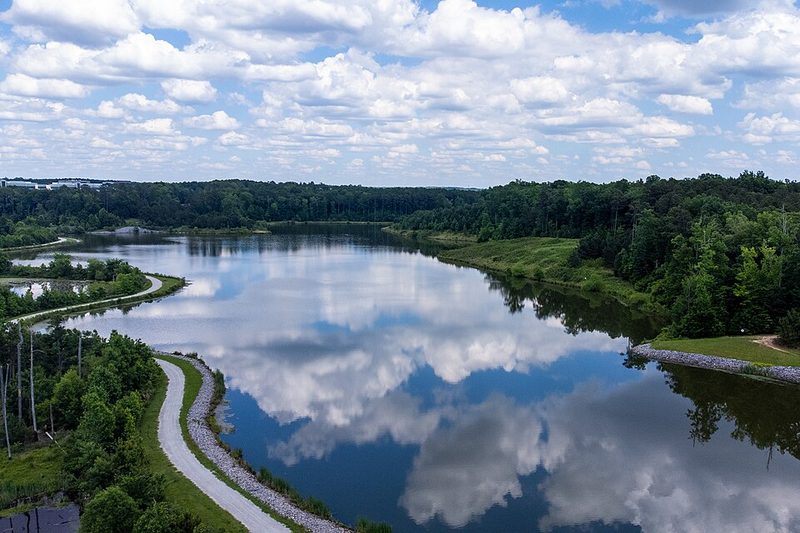
RTP operates primarily as a working research campus rather than a tourist destination. Many facilities require security clearance and advance arrangements for entry, and visitors should contact specific companies or institutions before arrival to confirm visitor programmes and access policies. The park maintains a network of walking and biking trails open to the public, lined with native vegetation and designed to provide outdoor recreation within the research campus environment.
For visitors interested in understanding RTP's scale and scope, a driving tour offers perspective on the park's expansive land area and the variety of research facilities housed within its boundaries. RTP Connect, a subsidiary programme, promotes rideshare and telework options to reduce traffic congestion, supporting carpools, vanpools, bus services, and walking trails throughout the park. The area's development continues, with ongoing expansion of both research facilities and supporting infrastructure reflecting the park's evolution into its seventh decade.
Sources: Research Triangle Park - Official Site • Research Triangle Park - Wikipedia • Research Triangle Park - NCpedia • Visiting RTP