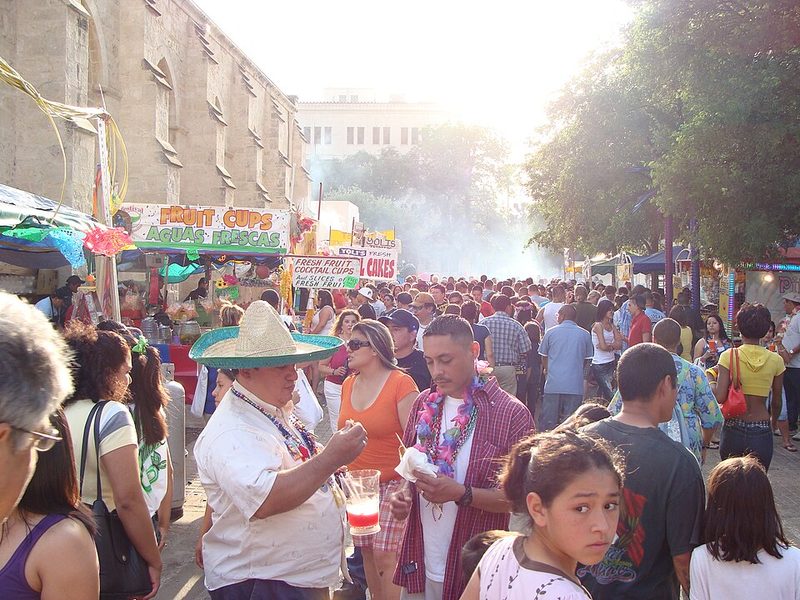
Fiesta San Antonio is an 11-day citywide celebration held each April, drawing hundreds of thousands of participants to more than 100 official events scattered across the city. The 2026 edition runs from 16–26 April. What began in 1891 as a single parade organised by women volunteers to honour the battles of the Alamo and San Jacinto has evolved into the city's signature annual event, pausing only during the First World War (1918) and the Second World War years (1942–1945).
Origins and Historical Context
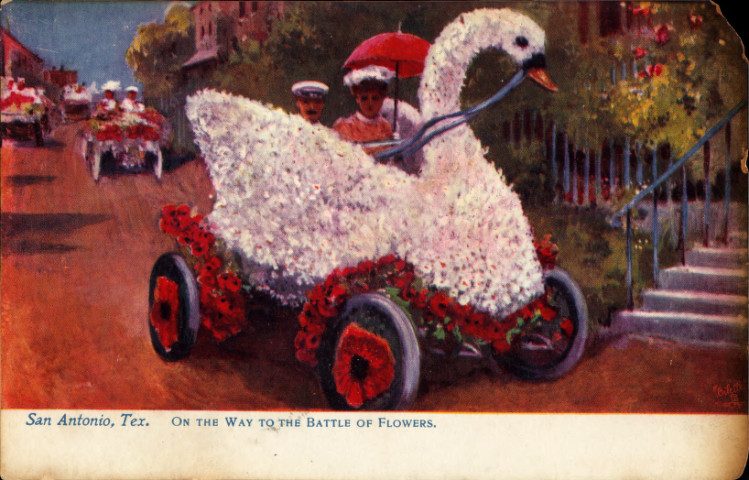
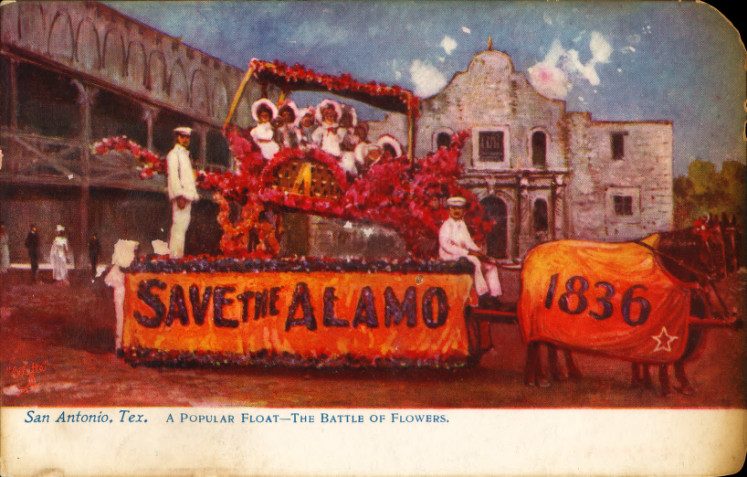
The Battle of Flowers Parade, founded in 1891, provided the festival's original template. Mrs James L. Slayden, wife of a local congressman, proposed a flower parade inspired by similar celebrations in Spain, timed to coincide with 21 April—the anniversary of the 1836 Battle of San Jacinto, which secured Texas independence from Mexico. The parade's name references the tradition of spectators throwing flowers at participants, transforming a commemorative procession into a symbolic "battle."
By 1890, San Antonio's population had reached 38,000, and the city was establishing itself as a regional trade centre. The festival expanded gradually, adding street dancing, children's events, and a trades display parade in its early decades. The commemorative foundation—honouring both the Alamo siege in San Antonio and the decisive San Jacinto victory near present-day Houston—remains central to the festival's identity.
Major Events and Parades
The Battle of Flowers Parade, still organised entirely by women volunteers, remains the festival's founding event and typically takes place in early May. The Fiesta Flambeau Parade and the Texas Cavaliers River Parade—a procession of decorated boats along the San Antonio River—rank among the most attended events. Dates and specific timings vary annually; visitors should consult the official Fiesta San Antonio calendar for current details.
NIOSA (A Night in Old San Antonio) is a multi-day food and cultural festival featuring cuisine, music, and performances representing San Antonio's diverse heritage. The Fiesta Oyster Bake, Taste of the Republic, and A Day in Old Mexico & Charreada offer additional opportunities to sample regional food and witness traditional performances. The Ford Mariachi Festival along the River Walk presents free performances of mariachi music and traditional dance, though specific dates and locations change year to year.
Practical Considerations for Visitors
Fiesta operates across multiple venues simultaneously—downtown plazas, the River Walk, Market Square, and numerous neighbourhood sites host events throughout the 11-day period. Some events require advance tickets, while others offer free admission. Market Square, for example, maintains free entry most of the time, though a temporary entry fee has been introduced during peak hours in recent years.
Accommodation fills rapidly during Fiesta, particularly in downtown and River Walk hotels. Visitors planning to attend should book several months in advance. The festival coincides with San Antonio's spring season, when daytime temperatures typically range from warm to hot; evening events offer more comfortable conditions. Streets around major parades close to vehicle traffic, and public transport and ride-sharing services experience high demand.
Cultural Significance
Fiesta functions as both a commemoration of Texas independence and a citywide expression of San Antonio's layered cultural identity. The festival incorporates Indigenous, Spanish, Mexican, German, and American traditions through food, music, costume, and ceremony. Non-profit organisations host many official events, using Fiesta as a fundraising platform for community services. This blend of historical commemoration, cultural celebration, and civic engagement distinguishes Fiesta from purely commercial festivals.
For visitors, Fiesta offers an unfiltered view of how San Antonio understands and presents itself. The event's scale, diversity of programming, and participation across the city's social and economic spectrum make it one of the largest community festivals in the United States. Those interested in experiencing San Antonio beyond its historic sites and tourist infrastructure will find Fiesta a revealing, if crowded, window into the city's contemporary life.
Sources: Fiesta San Antonio - Wikipedia • Fiesta San Antonio Official Site • Battle of Flowers Parade History