
The San Antonio Missions form a UNESCO World Heritage Site encompassing five Spanish colonial mission complexes established along the San Antonio River basin during the eighteenth century. Four of these—Mission Concepción, Mission San José, Mission San Juan, and Mission Espada—comprise San Antonio Missions National Historical Park, managed by the U.S. National Park Service. The fifth, Mission San Antonio de Valero, is better known as the Alamo and sits separately in downtown San Antonio. Together, these sites represent one of the most complete examples of Spanish colonial frontier missionary architecture and settlement systems in North America.
Historical Foundation and Purpose
The missions were established between 1718 and 1731 as part of Spain's effort to extend colonial control into Texas and convert Indigenous peoples to Catholicism. Mission San Antonio de Valero, founded on 1 May 1718 by Governor MartÃn de Alarcón, initiated the settlement pattern that would define the city. Several missions, including San Juan Capistrano, were first established in East Texas in 1716 and later relocated to San Antonio in 1731 when the eastern settlements proved unsustainable.
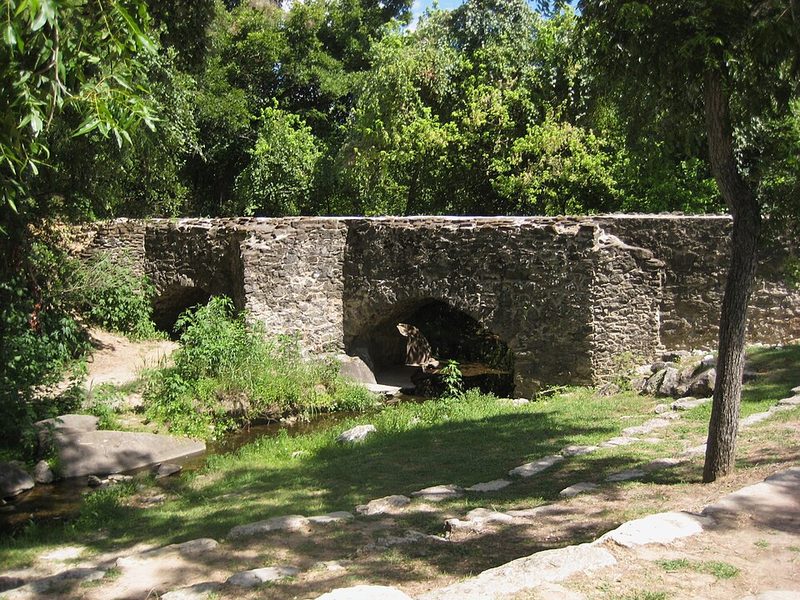
Each mission functioned as a fortified religious and agricultural community, designed to be largely self-sufficient. Franciscan friars oversaw conversion efforts and daily operations, while Spanish soldiers provided protection. Indigenous converts—primarily from Coahuiltecan and other local groups—lived within mission walls, learning European agricultural techniques, crafts, and Catholic doctrine. The missions operated ranching and farming operations, with an extensive network of acequias (irrigation canals) supporting crop cultivation. Mission Espada's aqueduct, part of this eighteenth-century irrigation system, remains visible today.
The Four Park Missions
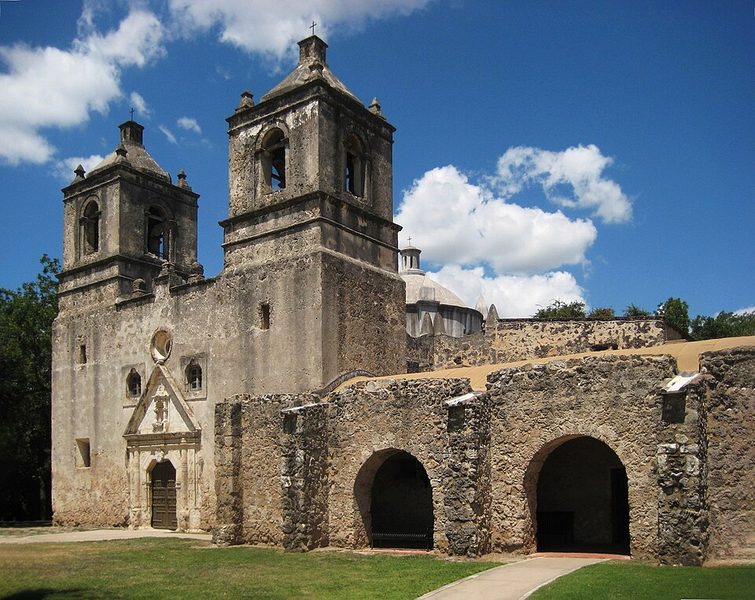
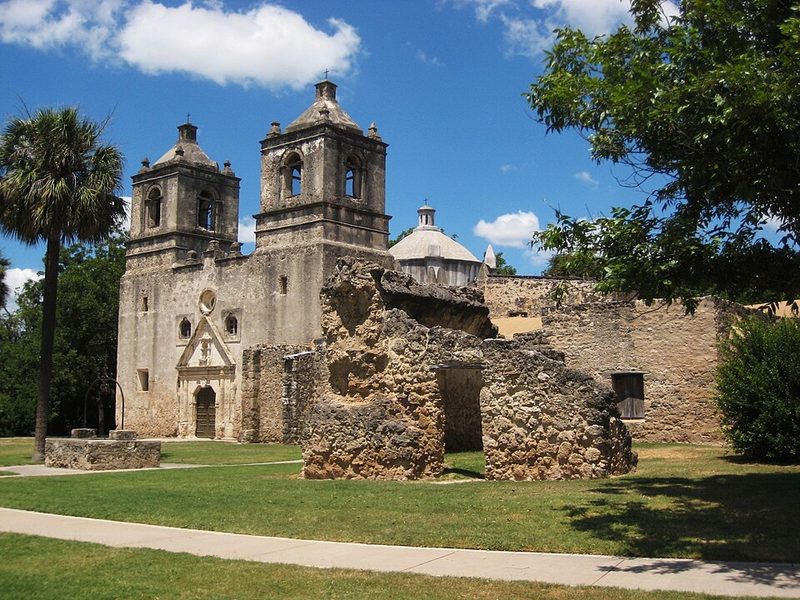
Mission Concepción, completed in 1755, stands as the oldest unrestored stone church in the United States. Its location, closest to downtown San Antonio among the park missions, makes it a frequent first stop for visitors. The church interior retains traces of original frescoes, offering rare evidence of colonial-era decorative practices.
Mission San José, often called the "Queen of the Missions," was established in 1720 and features the most elaborate architectural details, including the ornate Rose Window carved into the sacristy wall. The mission's substantial stone walls and preserved granary provide the clearest sense of the missions' scale and defensive functions. The park's main visitor centre operates adjacent to San José, where visitors can obtain orientation materials and activity guides.
Mission San Juan Capistrano, relocated from East Texas in 1731, developed a reputation for agricultural productivity. Its chapel and surrounding walls illustrate the missions' dual role as religious and economic centres. Mission Espada, the southernmost site, includes both the mission church and the nearby Espada Aqueduct, a functional remnant of the colonial irrigation system that once supplied water to mission farmlands.
UNESCO World Heritage Designation
In 2015, the San Antonio Missions became the first UNESCO World Heritage Site in Texas. The designation recognises the missions as an outstanding example of the interweaving of Spanish and Indigenous cultures, preserved architectural integrity, and the completeness of the mission system's visible remains—including churches, granaries, residences, and irrigation infrastructure. The site also encompasses Rancho de las Cabras, a livestock operation located 37 kilometres south of San Antonio that supplied the missions with cattle and other resources.
Visiting the Missions
The four park missions are spread along a roughly 13-kilometre stretch of the San Antonio River. The Mission Trails hike and bike trail connects the sites, though most visitors travel by car. Each mission maintains different operating schedules, and some areas may close for active Catholic services, as the mission churches remain consecrated and in use. Visitors should allow most of a day to visit all four park missions at a measured pace. The National Park Service provides current information on access, guided tours, and ranger-led programmes.
The missions are not reconstructions; they are preserved working examples of Spanish colonial frontier architecture. This authenticity—combined with their historical role in shaping San Antonio's identity and their physical presence within the modern city—gives them unusual weight as visitor sites. They represent not a distant or disconnected past, but rather the city's literal foundation, visible and accessible along a continuous trail system that threads through contemporary San Antonio.
Sources: San Antonio Missions National Historical Park - NPS • San Antonio Missions - UNESCO World Heritage Centre • San Antonio Missions - Visit San Antonio • San Antonio Missions National Historical Park - Wikipedia