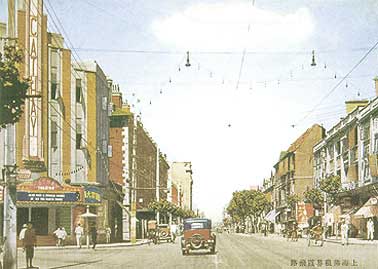
The Former French Concession occupies a substantial district in central Shanghai, stretching across what are now parts of Xuhui and Huangpu districts. From 1849 until 1943, this area functioned as a semi-autonomous territory administered by France, and the physical imprint of that century remains visible in the tree-lined streets, European-style villas, and distinctive neighbourhood character that set this district apart from the rest of Shanghai.
Historical Development
The French Concession was established in 1849, six years after Shanghai opened as a treaty port following the First Opium War. Initially a modest settlement, it expanded significantly over the following decades. The main thoroughfare, originally called Route Lafayette, is now known as Fuxing Middle Road and still functions as a major east-west corridor connecting Xuhui and former Luwan districts. The concession ended during the Second Sino-Japanese War in 1943, but the architectural legacy persisted through subsequent decades of political and economic transformation.
The district became home to a mix of French administrators, international merchants, Chinese residents, and refugees from various conflicts. This cosmopolitan population shaped a distinctive built environment that blended European architectural styles with adaptations to Shanghai's climate and local building practices.
Architecture and Streetscape
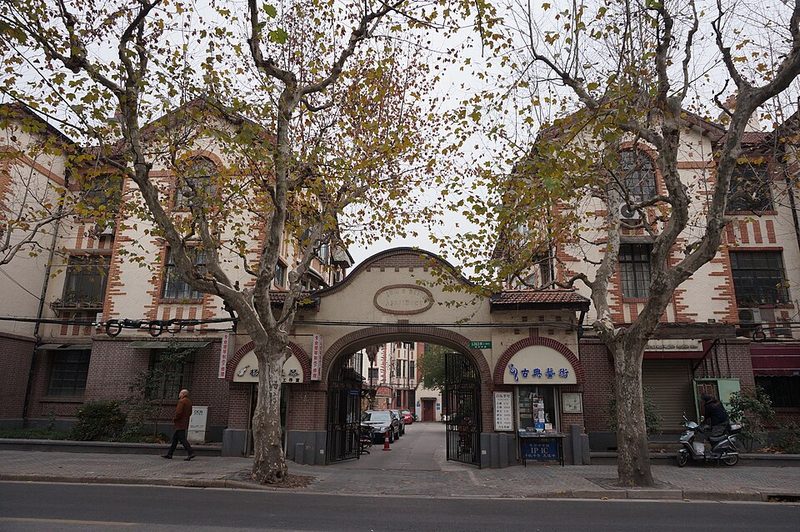
The tree-lined streets remain one of the most immediately recognizable features of the former concession. Plane trees shade many roads, creating canopies that have survived decades of urban development. Sinan Road exemplifies this character—a one-way street flanked by approximately twenty garden houses representing nearly all the major residential styles of early 20th century Shanghai. These range from Art Deco apartments to English-style garden villas and traditional shikumen lane houses.
Xintiandi represents a different approach to the concession's architectural heritage. This pedestrian district redeveloped old shikumen houses into commercial space, preserving the exterior forms while completely altering the interior functions. The result is a dining and shopping district where early 20th century façades front contemporary restaurants and boutiques. Opinions on Xintiandi divide between those who appreciate the architectural preservation and those who view it as sanitized reconstruction disconnected from authentic neighbourhood life.
Tianzifang, located on Taikang Road in the southern portion of the former concession, developed differently. This network of lanes (longtang) retained more of its residential character even as small galleries, cafes, and craft shops moved into converted shikumen houses. The result feels less polished than Xintiandi but more organically connected to Shanghai's lane-house heritage.
Key Routes and Landmarks
Fuxing Park, originally called French Park, provides green space near the heart of the district. The park layout reflects French garden design principles adapted to Shanghai conditions. Nearby Sinan Mansions comprises several restored garden houses along Sinan Road, now functioning as commercial and cultural venues.
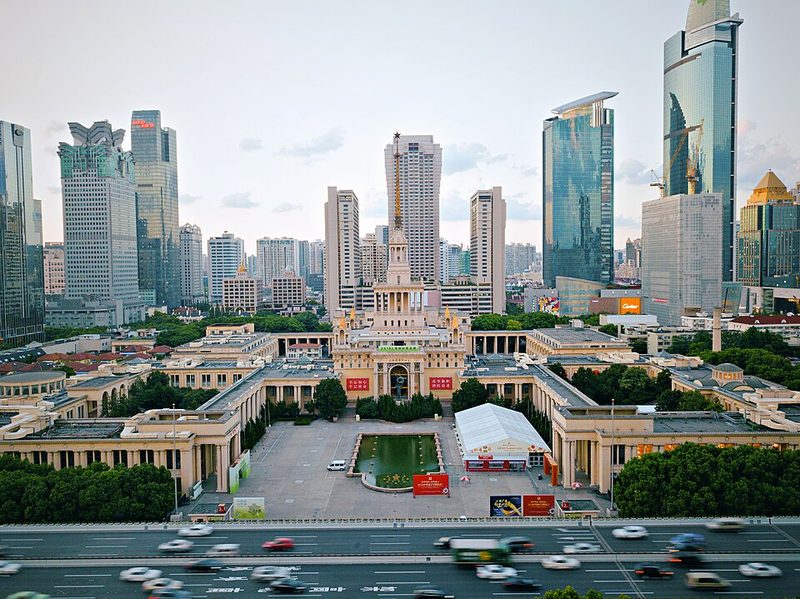
Several streets have become known for specific retail or dining concentrations. Changle Road and Xinle Road attract small designer clothing boutiques. Huaihai Road combines tree-lined sidewalks with a mix of local activity and international retail. The district's street network generally follows the irregular pattern established during the concession period, creating a walkable environment quite different from Shanghai's more recent grid-planned developments.
Visitor Considerations
Walking remains the most effective way to experience the former concession's character. The district is served by multiple metro lines, with stations providing access to different sections. The area rewards slower exploration—side streets often hold more interest than main thoroughfares, and the architectural details reveal themselves to pedestrians rather than passengers in vehicles.
The concentration of cafes, restaurants, and boutiques means the district functions differently depending on time of day and week. Weekday mornings offer quieter conditions for observing neighbourhood life and architecture. Weekends bring larger crowds, particularly to areas like Tianzifang and Xintiandi. The district has gentrified considerably, and what visitors encounter now reflects contemporary Shanghai's commercial adaptation of heritage space rather than preservation of historical residential patterns.
Sources: Shanghai French Concession - Wikipedia • Former French Concession Walking Tour Route - Travel China Guide • The Former French Concession, Shanghai - China Highlights