The South Boston St Patrick's Day Parade, held annually on or near 17 March, is the oldest such celebration in North America. Boston's Irish community first gathered on 17 March 1737 as a gesture of solidarity among new immigrants, honouring Ireland's patron saint and maintaining ties to their homeland. The organised parade tradition, as it exists today, dates to 1901 and has been sustained by community contributions and volunteer organisers for over a century.
Dual Commemoration: St Patrick and Evacuation Day
The parade officially commemorates both St Patrick's Day and Evacuation Day, the 17 March 1776 withdrawal of British forces from Boston during the Revolutionary War. This dual purpose gives the event civic as well as cultural significance, though the Irish heritage celebration remains the dominant focus in practice. Evacuation Day is a legal holiday in Suffolk County, Massachusetts, which encompasses Boston.
The historical overlap is not accidental—17 March holds both religious and local patriotic meaning for Boston's Irish Catholic community, a combination that reinforced the parade's importance throughout the twentieth century when South Boston functioned as the city's primary Irish American neighbourhood.
Scale and Attendance
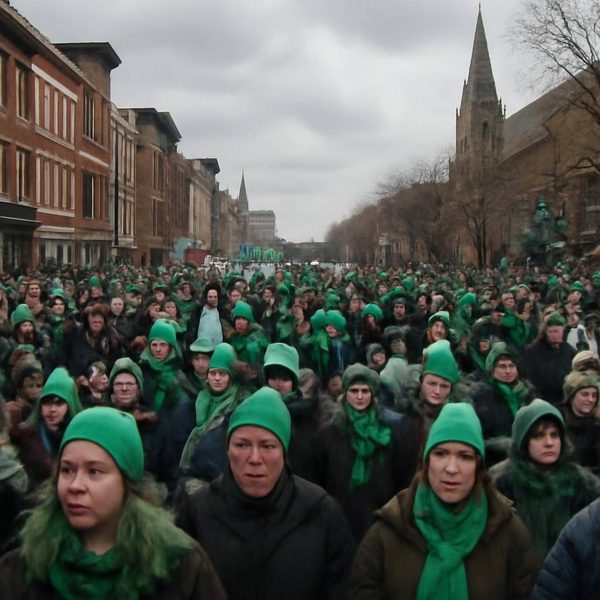
The parade attracts substantial crowds annually. The Massachusetts Bay Transportation Authority (MBTA) has cited attendance figures as high as one million, though crowd estimates vary and are difficult to verify precisely. The parade route runs through the heart of South Boston, typically along Broadway and East Broadway, passing through residential streets where many longtime residents still maintain strong Irish heritage ties.
The event spans several hours and includes marching bands, military units, Irish cultural organisations, political figures, and community groups. Unlike some large urban parades, the South Boston event retains a neighbourhood character—many spectators are local residents or former residents returning for the day, rather than tourists.
Community Organisation and Controversy
The parade has been organised by the South Boston Allied War Veterans Council since 1901, relying on donations from individuals, families, and local businesses. This volunteer structure has kept the event rooted in community networks but has also been the source of legal and social controversy. In the 1990s, disputes over the inclusion of LGBTQ groups in the parade reached the US Supreme Court, which ruled in 1995 that private parade organisers had the right to exclude participants. These tensions have moderated somewhat in recent decades, though the parade's cultural and organisational identity remains a topic of local discussion.
Visitor Experience
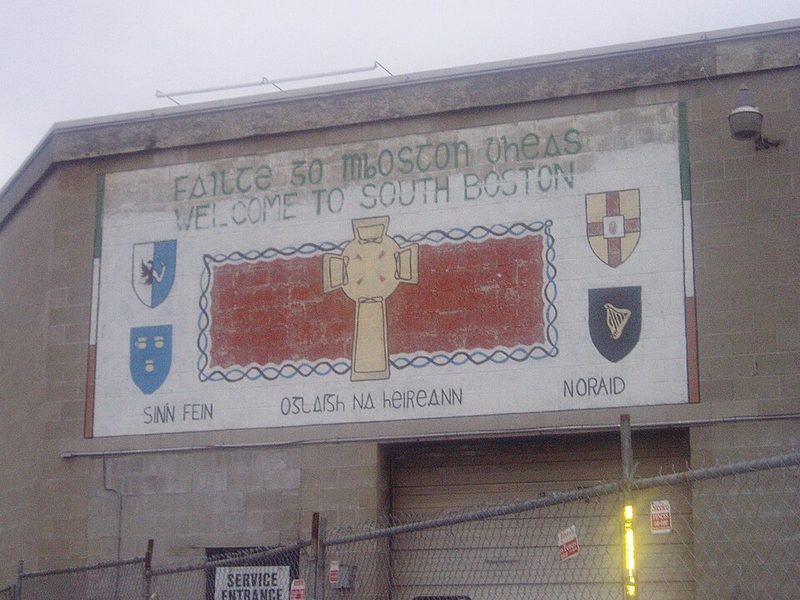
For visitors, the parade offers a window into South Boston's Irish American identity, though the neighbourhood's demographic transformation means that identity is now more complex and layered than in earlier decades. The event remains heavily attended by families, community groups, and those with personal or ancestral ties to the area.
Public transport is the most practical way to attend. The MBTA Red Line serves South Boston at Broadway and Andrew stations, both within walking distance of the parade route. Bus routes also provide access, though service is often adjusted or crowded on parade day. Driving is not recommended due to street closures and limited parking. Spectators typically arrive early to claim viewing spots along the route, particularly near key intersections.
Weather on 17 March in Boston is unpredictable. Temperatures can range from near freezing to mild, and rain, snow, or wind are all possible. Visitors should dress warmly and in layers. The neighbourhood's pubs and restaurants are heavily patronised before, during, and after the parade; waits and crowds should be expected.
Cultural Context
The parade's significance extends beyond a single day. It represents the institutional memory of South Boston's Irish Catholic community—a community that shaped the neighbourhood's schools, churches, political culture, and social networks for over a century. The event's continuation, even as the neighbourhood gentrifies and diversifies, reflects both the strength of that institutional memory and ongoing debates about whose South Boston the parade represents.
For those researching Irish American urban history or the evolution of ethnic neighbourhoods in US cities, the parade and its surrounding traditions offer a case study in how cultural identity is asserted, contested, and adapted over time. For casual visitors, it provides one of Boston's most distinctive annual spectacles—a neighbourhood event that has grown to regional prominence while retaining its local roots.
Sources: South Boston St. Patrick's Day / Evacuation Day Parade - Official Site • History - South Boston St. Patrick's Day Parade • Boston's St Patrick's Day Parade Route - Boston Discovery Guide • When was the first St. Patrick's Day parade in Boston? - Patriot Ledger