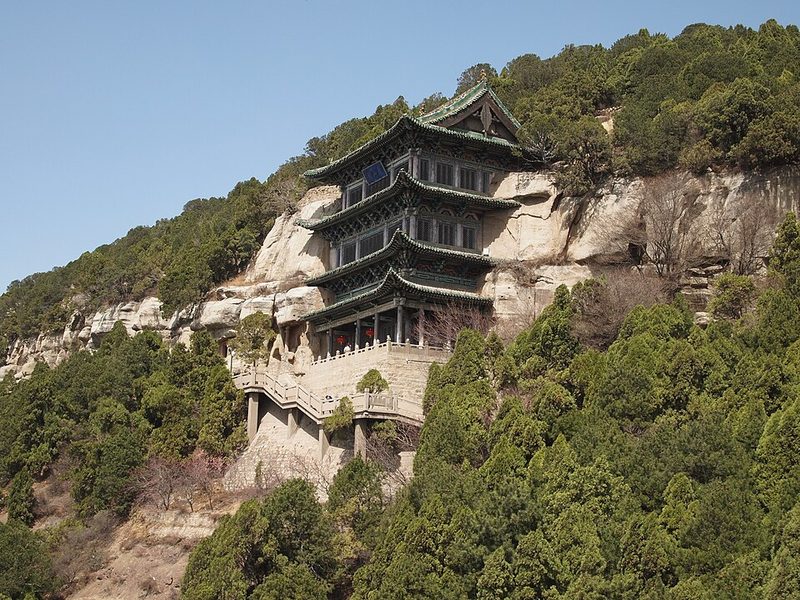
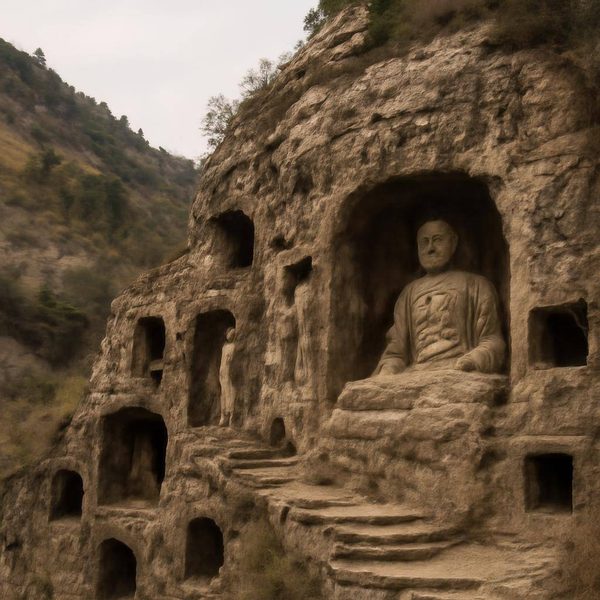
The Tianlongshan Grottoes occupy two facing mountainsides 36 kilometres southwest of Taiyuan, containing Buddhist sculptures carved over a 500-year period from the Eastern Wei Dynasty (534-550 AD) through the Tang Dynasty (618-907 AD). The site comprises 25 caves split between eastern and western mountains—eight grottoes on the eastern peak and 13 on the western—though the sculptures within them have suffered extensive damage and systematic looting that has scattered their contents to museums and private collections worldwide.
Historical Development and Carving Periods
The earliest caves date to the Eastern Wei period (6th century), with subsequent additions during the Northern Qi Dynasty (550-577 AD), the Sui Dynasty (581-618 AD), and the Tang Dynasty (618-907 AD). Each period demonstrates distinct sculptural styles and religious iconography that reflect changing aesthetic preferences and theological emphases within Chinese Buddhism. The Northern Qi sculptures show influences from Central Asian Buddhist art, with fuller faces and more ornate clothing details. The Tang Dynasty carvings, by contrast, display the more naturalistic proportions and flowing drapery that characterise the peak of Chinese Buddhist sculptural art.
The caves were carved directly into the sandstone mountainside, a softer material than the limestone used at other major grotto sites such as Longmen or Yungang. This softer stone allowed for finer detail work but also contributed to the sculptures' vulnerability to both weathering and deliberate removal. Historical records indicate the site functioned as an active religious centre during the medieval period, though its remote mountain location meant it never achieved the same prominence as grottoes closer to imperial capitals.
Looting and Dispersal
The most severe damage to the Tianlongshan Grottoes occurred during the early 20th century, particularly in the 1920s and 1930s, when systematic looting removed heads, torsos, and complete figures from the caves. Art dealers, often working with foreign buyers, used saws and chisels to extract sculptures from their niches, selling them to museums and collectors in Japan, Europe, and North America. The University of Chicago's Smart Museum, the Metropolitan Museum of Art in New York, and museums in Osaka and Tokyo now house significant collections of Tianlongshan sculptures, along with numerous private collections.
This dispersal has created a paradoxical situation where visitors to the actual site encounter caves filled with headless statues and empty niches, while the finest sculptural details—the faces and upper bodies that best demonstrate the artistry of the original carvers—exist thousands of kilometres away. Digital reconstruction projects have begun attempting to virtually reunite the scattered pieces with their original locations, though this work remains incomplete.
Notable Sculptures and Caves
Despite the extensive damage, significant sculptures remain in place. Cave 16 on the western mountain contains an 8-metre-tall Maitreya Buddha, carved during the Eastern Wei period, which survived looting due to its size and integration with the cave structure. The figure sits in the expected cross-legged meditation posture, though its head and upper body show weathering and minor damage from attempted removal.
The Tang Dynasty caves demonstrate the sophisticated modelling techniques that made Tianlongshan sculptures particularly prized by collectors. The remaining fragments show the characteristic S-curve posture and flowing drapery folds that suggest movement and three-dimensionality. The carvers achieved remarkably smooth surface finishes and subtle facial expressions, technical accomplishments made more apparent by comparing the damaged sculptures to photographs and museum examples of removed pieces.
Current State and Visiting Conditions
The Tianlongshan Grottoes exist in a damaged state that requires visitors to approach them as fragmentary evidence of their original appearance rather than complete artistic experiences. The caves themselves remain accessible, though the mountain paths connecting them involve steep climbs and uneven terrain. The remote location means tourist infrastructure is minimal compared to more famous sites—facilities, signage, and on-site interpretation are limited.
The site's value for contemporary visitors lies partly in understanding the history of cultural heritage destruction and the complex ethics of museum collections built through purchase of looted material. The empty niches and truncated statues serve as physical evidence of early 20th-century art market practices and the broader pattern of Chinese cultural property dispersal during periods of political instability.
Access and Practical Information
Reaching Tianlongshan from central Taiyuan requires hiring a taxi or joining an organised tour, as public bus service to the site is limited or non-existent. The journey typically takes between 45 minutes and one hour depending on traffic and road conditions. The mountain terrain and relative remoteness mean visitors should prepare for limited facilities—bringing water, sun protection, and appropriate footwear for steep paths is advisable.
The caves are typically accessible during daylight hours, though specific opening times and any admission fees should be confirmed before visiting, as management arrangements for the site have changed over time. English-language information at the site is minimal, so visitors interested in detailed historical and artistic context will benefit from advance research or hiring a guide familiar with the Buddhist art history of the period.
Sources: Tianlongshan Grottoes - Wikipedia • Tianlongshan - University of Chicago • Tianlongshan Grottoes - China Educational Tours