In This Guide
Read the guide as a story
The Screaming Woman of Wellington Harbour
Wellington, Wellington Region
Wellington sits at the southern tip of the North Island, wedged between the Remutaka Range and the broad arc of Lambton Harbour. New Zealand's capital is compact, walkable, and quietly confident — a city that functions as the country's political and cultural centre while remaining small enough to cross on foot in an afternoon. For a city of roughly 381,900 people, its concentration of cultural institutions, government buildings and waterfront amenity is notable.
First Impressions and Setting
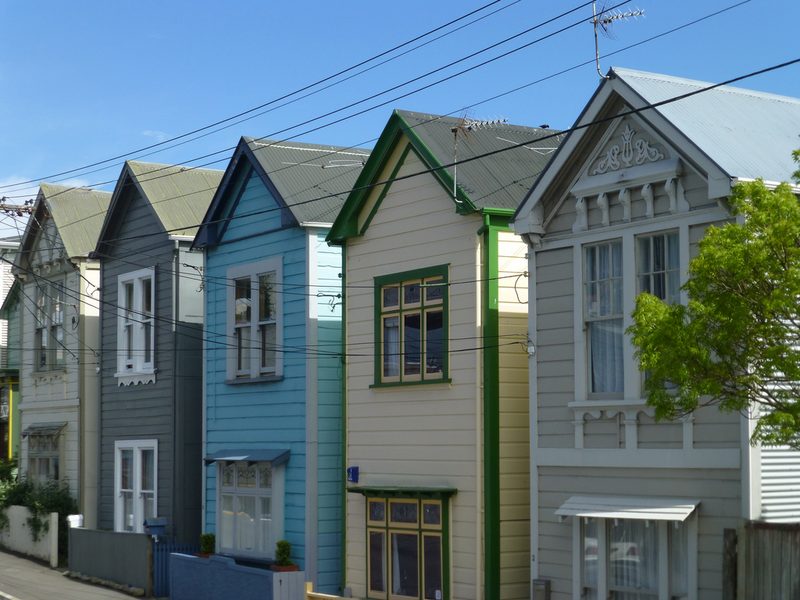
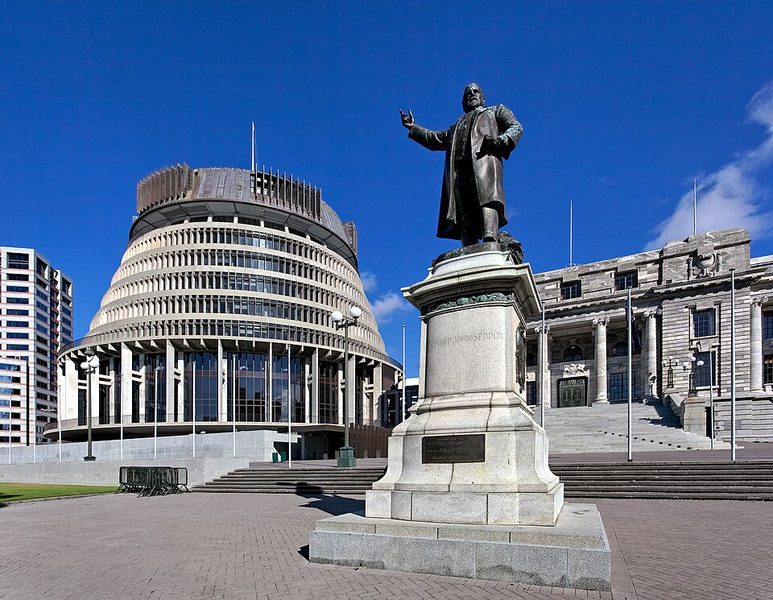
Arriving in Wellington, you notice the hills first. Wellington Central occupies the flat ground nearest the harbour, and the streets here feel genuinely city-like — government buildings, galleries, coffee shops, pedestrian lanes. A short distance south lies Te Aro, the neighbourhood most associated with Wellington's creative character, where older buildings sit alongside theatres and arts spaces. Up the hill to the west, Kelburn looks down over the whole arrangement, accessible by a historic cable car that has become one of the city's most recognised features. Thorndon, to the north, is quieter and more residential, and carries the weight of political history as the home of Parliament.
The wind is not a myth. Wellington holds a reputation as the world's windiest city by average wind speed, and on certain days the gusts funnelling through Cook Strait make themselves very clearly known. Locals take it in stride. The city's elevation sits only a few metres above sea level in its centre, but the surrounding hills catch and redirect the wind in ways that can shift dramatically from block to block.
History and Identity
Wellington was established as New Zealand's capital in 1865, chosen in part for its central location between the North and South Islands. It is the world's southernmost capital of a sovereign state. The city functions as the administrative heart of the country, home to Parliament, the courts, and a significant concentration of public service employment.
Wellington's film industry connection is well documented. Wētā Workshop, a specialist visual effects and manufacturing company based in the region, has shaped the city's creative identity in ways that reach beyond cinema — it contributes to how Wellington positions its own cultural ambitions. Visitors with a specific interest in the workshop should check current tour availability directly, as operating status has varied.
The Waterfront and Lambton Harbour
The waterfront precinct along Lambton Harbour anchors much of the city's public life. The Museum of New Zealand Te Papa Tongarewa — established under the Museum of New Zealand Te Papa Tongarewa Act 1992 — sits directly on the waterfront and is one of the country's most significant cultural institutions, covering New Zealand's natural and human history across six floors and more than 36,000 square metres of exhibition space. Its collection across those six floors holds over 800,000 taonga and objects. The building is impossible to miss from the promenade and admission to the main floors is free, though special exhibitions may carry a charge — check tepapa.govt.nz for current details.
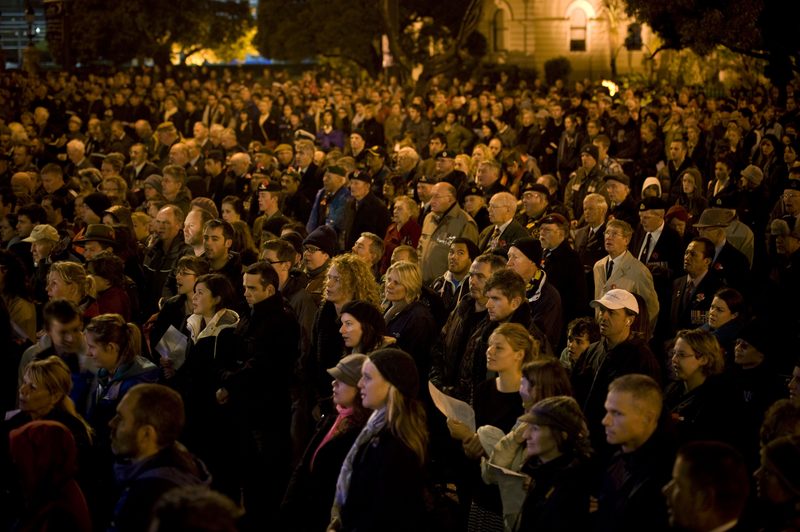
The waterfront itself has the feel of a city that has made a conscious effort to face the sea rather than turn away from it. The waterfront promenade has been a defining feature of the urban landscape since the late 1990s, when significant reclamation and redevelopment brought public space closer to the harbour edge. Boat trips and harbour experiences are available from the waterfront area, though visitors should confirm current operators and schedules locally. The ANZAC Day dawn service at the cenotaph near Parliament, held each year on 25 April, draws significant public attendance and is one of the more sombre and well-attended civic events on the Wellington calendar.
What to See and Do
The Wellington Cable Car connects the lower streets of Lambton Quay to Kelburn and has been in regular service since the late nineteenth century. The Cable Car Museum, at the Kelburn terminus, documents the history of the funicular in detail. From the top, the views back across the city and harbour are considerable, and the Wellington Botanic Garden is a short walk away. The garden contains a children's playground, duck ponds, native bush walks and a cafe, and makes for a practical half-day visit above the city noise.
The narrow streets of Te Aro and the lanes of Wellington Central reward slow exploration on foot. Wellington has a long-standing reputation within New Zealand for the quality of its coffee, and the central city supports a strong cafe and restaurant culture. Katherine Mansfield's Birthplace in Thorndon is open to visitors as a restored heritage house; Mansfield is one of New Zealand's most internationally recognised writers, and the house reflects the descriptions found in her stories.
For walkers, Wellington City Council maintains a list of top recommended walks across the city, ranging from the Red Rocks coastal route at Owhiro Bay to viewpoints across the hills. The Mount Victoria Lookout provides one of the more accessible panoramas over the harbour and city.
The Wellington Heritage Festival runs across October and November and celebrates the people, places and stories of the wider Wellington region — a useful anchor for visitors interested in local history and architecture.
Visitors come for species that are difficult to encounter in an ordinary city setting, including little spotted kiwi, tuatara, k?k?, kerer?, giant w?t and Hamilton's frog. The sanctuary also has an evening or nocturnal-tour dimension, which is particularly relevant for kiwi viewing, but times, prices and booking requirements should be checked directly with Zealandia before travelling.
The project began with a feasibility study in 1993, followed by the Karori Sanctuary Trust in 1995. The predator-exclusion fence was completed in 1999, possums and hedgehogs were removed that year, and the last rabbit was removed in 2000. That made the valley one of the world's defining examples of a fully fenced urban sanctuary designed around mammalian predator control.
Zealandia is the major conservation story that should not disappear from a Wellington guide. The 225-hectare fenced ecosanctuary sits in the Karori valley a short trip from the centre and protects native wildlife in a landscape that was deliberately restored rather than simply landscaped for visitors.
Zealandia Ecosanctuary
Day Trips and Nearby Areas
Red Rocks Reserve on the south coast provides seal spotting along a coastal walk from Owhiro Bay. Wairarapa, accessible across the Remutaka Range, is known for wine and rural character and makes a feasible day trip. Visitors should confirm transport options and journey times locally.
Getting There and Around
Wellington Airport, located in Rongotai southeast of the city centre, handles domestic connections across New Zealand and international services. The Interislander and Bluebridge ferry services cross Cook Strait between Wellington and Picton on the South Island — a journey that is an experience in its own right, depending on the weather and the swell. Visitors should note that there is no public car parking at the Wellington ferry terminal; Sky Stadium is the nearest public carpark to the terminal.
Within the city, the Metlink network — operated under Greater Wellington Regional Council — covers bus and rail services across Wellington and the wider region and is the most used public transport system in New Zealand per capita. Trains run to the Hutt Valley, Porirua, and the Kapiti Coast. Bus route 22 connects the central city to Kelburn, Mairangi and Johnsonville; routes 69 and 624 also serve key central stops. Park and Ride areas are available at railway stations for visitors arriving by car. The compact city centre is very walkable, and the cable car provides the most distinctive way to move between the harbour level and Kelburn. Taxis and ride-share services operate across the city. Current routes, fares and timetables should be confirmed through metlink.org.nz before travelling.
Practical Notes
Both the UK Foreign, Commonwealth and Development Office and the US State Department rate New Zealand at their lowest advisory level, with normal precautions recommended and no specific security concerns identified. Wellington's climate is temperate and maritime. The wind and occasional heavy rain mean that layered clothing is sensible year-round. Summer months from December through February are the warmest and most settled for outdoor activity. The city operates on New Zealand Standard Time, shifting to daylight saving in the warmer months. Wellington is well suited to car-free visitors, families, walkers and anyone interested in museums, waterfront culture or a relaxed urban base for exploring the broader region.
Museum of New Zealand Te Papa Tongarewa
Te Papa Tongarewa on the Wellington waterfront is New Zealand's national museum, established under the Museum of New Zealand Te Papa Tongarewa Act 1992 and covering Māori culture, the Treaty of Waitangi, natural history and contemporary art across 36,000 square metres and six floors. The collection across those six floors holds over 800,000 taonga and objects. Admission to the permanent collection is free. The museum is open daily and is within walking distance of Wellington Central; check tepapa.govt.nz for current exhibition details and any ticketed events.
Sources: Home - Te Papa official site • Museum of New Zealand Te Papa Tongarewa - New Zealand Government • Top 10 things to do in Wellington - WellingtonNZ
Zealandia Ecosanctuary
Zealandia is a 225-hectare fenced ecosanctuary in the Karori valley, close enough to the centre to work as a half-day Wellington visit. Its importance is not just that visitors may see native species such as little spotted kiwi, tuatara, k?k?, kerer?, giant w?t and Hamilton's frog; it is that the site demonstrates an urban conservation model built around a predator-exclusion fence and active species restoration.
The sanctuary's modern timeline began with a 1993 feasibility study, the formation of the Karori Sanctuary Trust in 1995, fence completion in 1999 and staged pest removal through 2000. Day visits suit families and general visitors, while evening or nocturnal tours are the better fit for kiwi-focused trips. Check Zealandia directly for current opening hours, admission prices and tour availability.
Sources: Zealandia - official site Top 10 things to do in Wellington - WellingtonNZ Zealandia wildlife sanctuary - Wikipedia
Wellington Cable Car
The Wellington Cable Car runs from Lambton Quay to Kelburn and has been in operation since 1902. At the top, the free Cable Car Museum documents the funicular's history, and the Wellington Botanic Garden is a short walk away. The ride provides a practical and scenic link between the waterfront and the hillside, with good views over the city and Lambton Harbour. Check current fares and hours at wellingtoncablecar.co.nz.
Read the full Wellington Cable Car guide
Sources: Cable Car Museum - Museums Wellington • Wellington Cable Car - Wikipedia • Top 10 things to do in Wellington - WellingtonNZ
Wellington Botanic Garden
Wellington Botanic Garden — known in te reo Māori as Ahurangi ki Paekākā — occupies around 26 hectares in the Kelburn hills above the city, with native bush walks, a rose garden, duck ponds, a children's playground and a waterfall. Entry is free. The garden is most easily reached from the Wellington Cable Car terminus or by Metlink bus 22 from Lambton Quay. A one-way walking circuit from the cable car through the garden to the city centre takes around 30 to 45 minutes.
Sources: Wellington Botanic Garden - Wikipedia • Wellington Botanic Garden ki Paekaka - Wellington Gardens • Wellington Attractions - James Cook Hotel Grand Chancellor