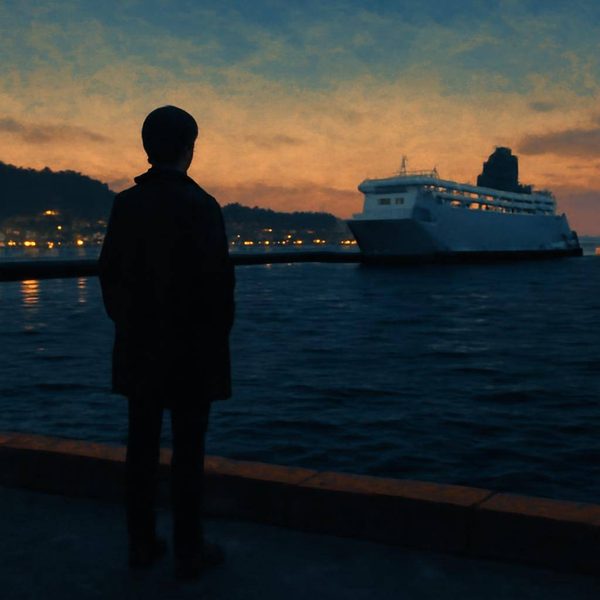
It was an October evening when the idea of walking Wellington's waterfront at dusk started to feel like something other than a pleasant stroll. The wind had dropped — unusual for this city — and the harbour at Lambton Quay lay flat and pewter-grey in the last of the light. A few joggers passed. A couple walked a dog along the promenade. Out on the water, a ferry was making its slow way toward the terminal.
Wellington has ghost stories, as most old cities do. But the one that has lasted longest here is not attached to a building or a dark lane. It belongs to the water.
The figure known locally as the Screaming Woman has been part of Wellington's folklore for years. She is said to appear near the harbour foreshore — a woman in distress, her cries audible and then suddenly absent. Over time, as the story has passed between generations and been collected by those who document Wellington's stranger history, she has acquired the usual competing explanations: a drowning, a tragedy, an accident whose details were never properly recorded. What makes her unusual as a local legend is how geographically specific she remains. She is not a wandering presence. She belongs, in the telling, to the water's edge.
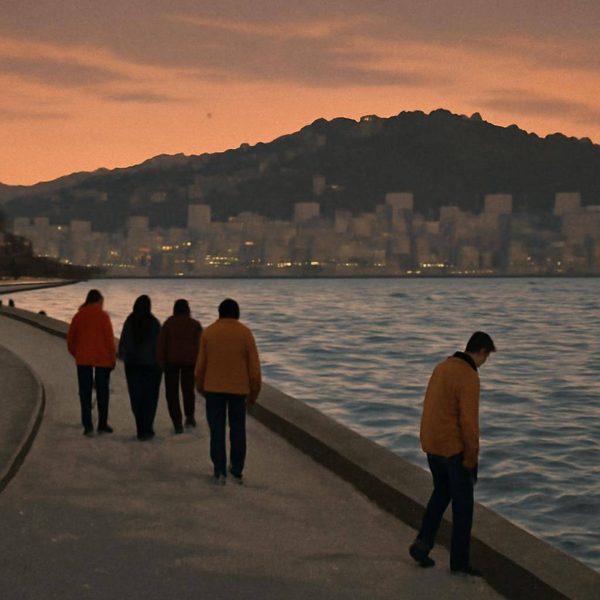
Walking south along the waterfront from the central city, past Te Papa's lit facade and along the promenade toward the older wharves, it is not difficult to understand how a story like this takes hold. Wellington's harbour is genuinely dramatic at certain hours. The Cook Strait is close enough that on a clear day you can see the South Island; at night, with the hills behind the city throwing back the wind in unpredictable directions and the water moving in ways that catch and lose the light, the conditions for local mythology are well established.
The Wellington Ghost Walk, organised by Extours, uses the city's historic buildings and darker corners as a structured route through accounts like this one — the strange events and forgotten figures that serious Wellington historians have gathered over the decades. The walk treats the stories as what they are: folklore with a factual core that has been shaped by repeated telling, and which says something real about how a place understands its own past.
Some versions of the Screaming Woman story place her origin in the harbour's early colonial period, when the waterfront looked entirely different and the city was still finding its shape. Others are more recent and vaguer. What the accounts share is the harbour setting — always the harbour — and the sense that Wellington's water has a memory that its residents have never entirely made their peace with.
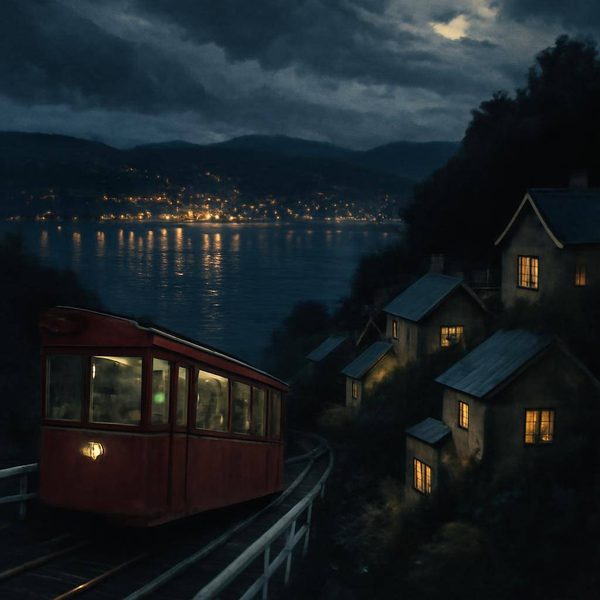
By the time the walk back along the waterfront reached the lower terminus of the cable car on Cable Car Lane, the city had gone properly dark. The lights of Kelburn were visible up the hill. A few cafes were still open in the lanes off Lambton Quay. The wind had returned, as it does.
Whether the Screaming Woman is a genuine historical figure whose story was lost and then rebuilt by folklore, or simply the kind of ghost that every working harbour produces when enough time and enough weather have passed over it, is a question Wellington does not seem in any hurry to resolve. The story survives because the city is the right kind of place for it: compact enough that everyone has walked the same foreshore, windy enough that sounds carry strangely, and old enough in its own way that the past sits just below the surface of the present.
Visitors who want to follow the trail more formally should look into the Wellington Ghost Walk; current details and booking should be confirmed with Extours directly. The waterfront walk from Lambton Quay south to the older wharves is free, unguided, and open at any hour — which is, depending on your disposition, either the point or the deterrent.
Frequently Asked Questions
What practical route does this Wellington story follow?
It follows source-backed places and route anchors from the guide, giving orientation and atmosphere while leaving live transport and opening details to the linked sources.
Which live details should I check before using this Wellington route?
Check current transport, access, opening and weather information from the linked official or operator sources before travelling.
What does this route help visitors understand about Wellington?
It turns source-backed places, route anchors and local context into a readable visitor route, so the story supports the main guide rather than replacing practical planning.
This is a fictional visitor story generated from source-backed place facts, image evidence and visitor-feel signals. It is not a first-hand WorldTownGuide visit. Named places, routes and historical references are source-backed; the visitor character and narrative events are invented.
Sources: Wellington Cable Car - Wikipedia • What's the Story Behind Wellington's Most Famous Ghost? - Wellington Live • Wellington Ghost Walks - Extours • Visit Wellington - WellingtonNZ