Festival du Voyageur occupies ten days each February in Winnipeg's St. Boniface neighbourhood, celebrating the fur trade era and French-Canadian heritage through Western Canada's largest winter festival. The 2026 edition runs February 13–22, filling Voyageur Park and the reconstructed Fort Gibraltar with snow sculptures, historical demonstrations, live music stages, and traditional foods that connect Manitoba's past to its present Franco-Manitoban community.
Historical Context and Origins
The festival honours the voyageurs—French-Canadian fur traders who transported trade goods and pelts across the continent from the 1690s to the 1850s. These traders formed the backbone of the fur trade economy, paddling canoes along river systems and establishing trading posts at strategic locations including the confluence that became Winnipeg. The voyageur heritage shaped the Métis Nation and continues to influence Franco-Manitoban, Fransaskois, and other French-speaking communities across Western Canada.
Festival du Voyageur began as a celebration of this heritage, honouring both the voyageurs and the First Nations and Métis peoples whose traditions intertwined with fur trade history. The event has grown into a defining winter gathering that brings historical interpretation directly into public space, making the fur trade period accessible through living history rather than museum exhibits alone.
What Visitors Encounter
Fort Gibraltar serves as the festival's historical centrepiece. The reconstructed fur trade post hosts period-dressed interpreters demonstrating eighteenth and nineteenth-century life, from canoe building to traditional crafts. Visitors can explore the fort's palisade walls and buildings whilst engaging with characters who bring voyageur daily routines and trading practices to life. The fort environment creates an immersive backdrop distinct from typical festival settings.
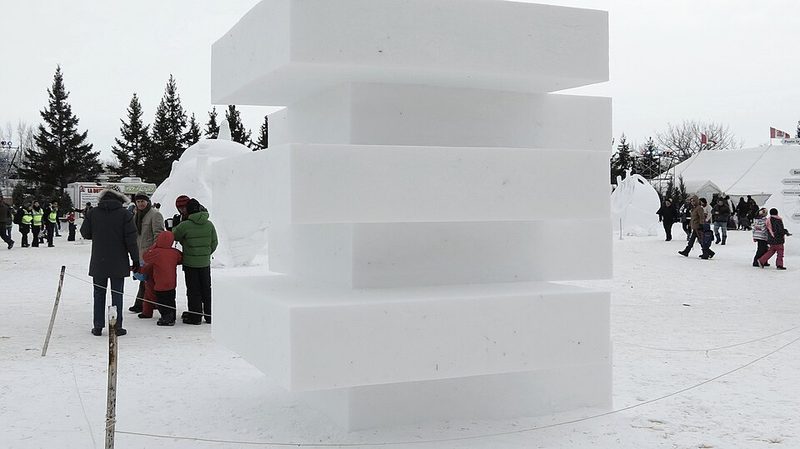
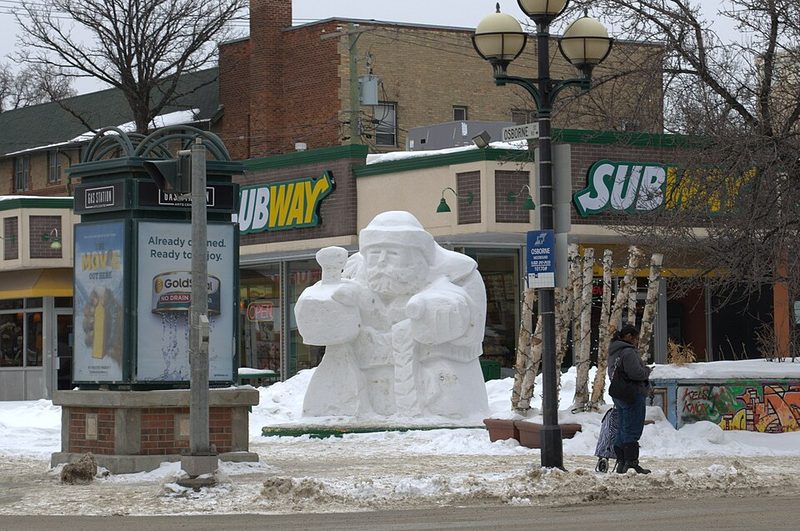
Snow sculpture competitions draw international artists who transform blocks of snow into large-scale works displayed throughout the festival grounds. These sculptures have featured everything from historical figures to abstract forms—the 1971 event famously displayed a winning sculpture of boots and a toque. The sculptures line pathways through Voyageur Park, providing both visual art and practical use of Manitoba's deep winter snow.
Music programming fills five outdoor stages with performances spanning traditional jigging and fiddle music to contemporary Francophone and Indigenous artists. The festival emphasises live performance across multiple disciplines including dance and visual arts, with programming designed for family attendance. Outdoor stages operate throughout the festival despite February temperatures, creating the "kitchen party" atmosphere organisers describe—informal, communal, and resilient against prairie cold.
Food and Cultural Programming
Traditional French-Canadian foods form a significant part of the festival experience. Visitors encounter tourtière (meat pie), pea soup, bison burgers, and bannock alongside maple syrup treats including tire d'érable (maple taffy on snow). The culinary offerings reflect both historical voyageur provisions and contemporary Franco-Manitoban cooking, served from outdoor vendors and heated pavilions.
Cultural activities extend beyond performance and food to include artisan craft markets featuring handmade souvenirs, historical workshops, and ice sculpture competitions. The festival showcases Francophone and Indigenous artists specifically, maintaining focus on the cultural communities whose heritage the event commemorates. Family activities operate throughout, making the event accessible to different age groups despite the challenging winter conditions.
Practical Information for Visitors
The festival takes place in St. Boniface, Winnipeg's historic French quarter, with main activities concentrated at Voyageur Park. Georges and Anita Forest, the festival's first "official voyageurs," established the tradition of historical dress as promotion—a practice that continues with ambassadors appearing in period costume to promote the event city-wide.
February in Winnipeg brings temperatures that regularly drop below -20°C, particularly at night. Festival attendance requires appropriate winter clothing—layered garments, insulated boots, mitts, and head coverings. Outdoor stages and activities operate regardless of temperature, though warming shelters and indoor venues provide periodic respite from the cold. The festival's timing celebrates winter rather than enduring it, positioning extreme weather as part of the experience rather than an obstacle.
Specific programming schedules, ticket information, and detailed activity listings are available through the festival's official channels. Visitors should verify current arrangements, as weather can affect certain outdoor activities and stage performances. The event remains free-admission to public areas, though some activities and performances may require tickets.
Cultural Significance
Festival du Voyageur functions as more than winter entertainment. It serves as a cultural anchor for Franco-Manitobans, providing annual public expression of French-Canadian identity within an overwhelmingly English-speaking province. The festival deliberately bridges "the traditions of the past with the vitality of the Franco-Manitoban community of today," according to Tourism Winnipeg, maintaining living cultural practice rather than historical recreation alone.
The voyageur legacy remains visible across Western Canada through place names, Métis Nation heritage, and Francophone communities whose origins link directly to fur trade movement and settlement patterns. Festival du Voyageur makes this history tangible, transforming archival material into public experience during a season when most Canadian festivals retreat indoors. The event's February timing, snow sculpture emphasis, and outdoor staging all demonstrate adaptation to prairie winter—making celebration from climate rather than despite it.
Sources: Festival du Voyageur - Tourism Winnipeg • Festival du Voyageur - Wikipedia • Festival du Voyageur - Canada's History • About Us - Festival du Voyageur