

What Winnipeg is known for
Winnipeg sits at the confluence of the Red and Assiniboine rivers, a geographical meeting point that shaped centuries of human settlement before it became Manitoba's capital. The city of nearly 750,000 carries the feel of a working city—neither frontier town nor sprawling metropolis—with visible roots in fur trading, railways, and immigrant communities who built neighbourhoods that still define it today. The prairie setting remains constant: unobstructed horizon, dramatic light, and winters that arrive visibly and define the rhythm of the place.
First Impressions and Setting
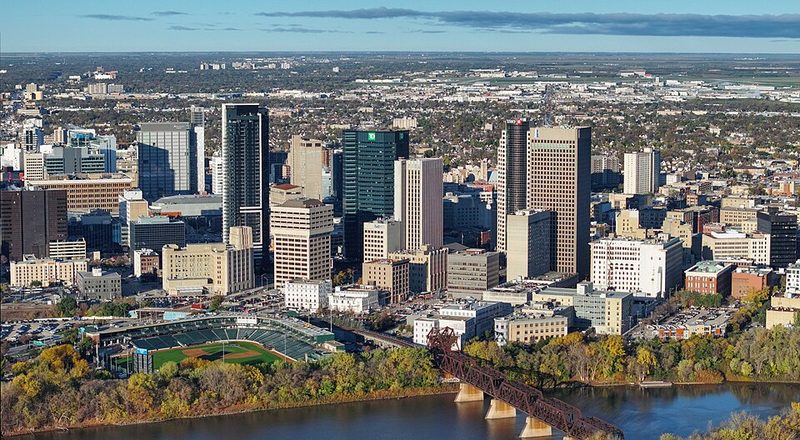
Arriving in Winnipeg, the prairie landscape registers first. The flat terrain means unobstructed horizon and light that changes throughout the day in ways city dwellers from forested regions rarely see. The city itself rises modestly from relatively flat ground at 245 metres above sea level, with the rivers creating natural divisions that visitors often cross without fully realising their presence. The urban fabric reflects different eras: historic districts hold brick warehouses and early twentieth-century commercial buildings, while residential areas spread across a grid that reveals the city's planned, railway-era expansion.
History and Identity
Winnipeg sits on Treaty One Territory, traditional lands of the Anishinaabe (Ojibwe), Ininew (Cree), and Dakota peoples. European contact brought fur traders in the 1700s, and the confluence of the rivers made Winnipeg a natural hub for that economy. The city's formal growth accelerated after Confederation in 1870, when railways transformed it into a major economic centre linking eastern Canada to western settlement and resources. That railway-era prosperity, roughly from 1880 to 1913, built much of the downtown architecture visitors see today, particularly in the Exchange District—a densely built warehouse and business centre covering 20 city blocks with approximately 150 heritage buildings.
The Exchange District
The Exchange District, designated a National Historic Site, contains one of North America's most intact early twentieth-century warehouse districts. Named after the Winnipeg Grain and Produce Exchange founded in 1887, the area holds early terracotta-clad skyscrapers, financial institutions, and brick warehouses built with then-current construction methods. Today the district functions as a hub for arts and culture, with galleries, game cafes, local shops, and creative spaces occupying the historic structures. Union Station, a grand beaux-arts railway building near The Forks in downtown Winnipeg, was designated a National Historic Site of Canada in 1976 and remains both functional transport hub and architectural landmark.
The Forks and Rivers
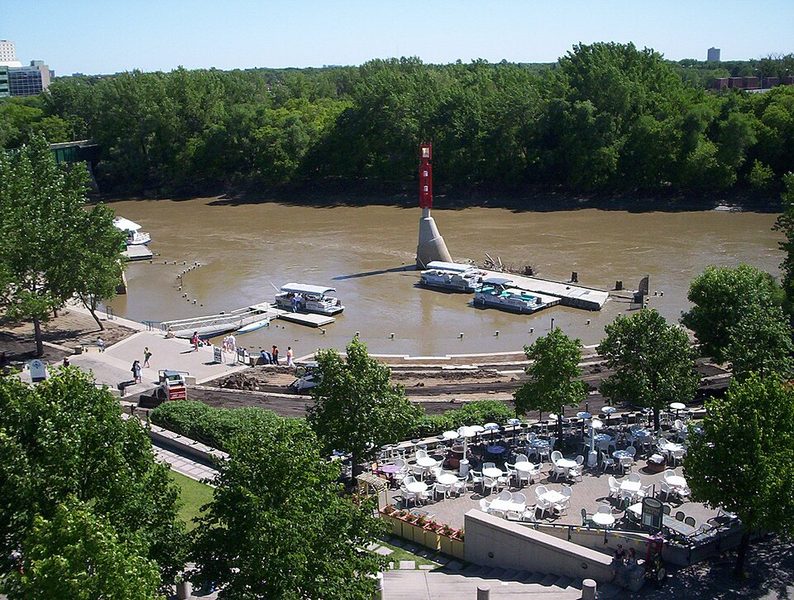
The Forks, at the river confluence, serves as Winnipeg's primary public gathering point. The site holds 6,000 years of human history as a meeting place. Today visitors find the Forks Market, shops, restaurants, and river trails. In winter, skating trails extend along the Red and Assiniboine Rivers, with rental facilities for ice bikes available at several points. The Rivers Trail network, accessible via multiple entry points including the main entrance at The Forks Harbour, offers kilometres of skating through the city when conditions allow.
Museums and Cultural Sites
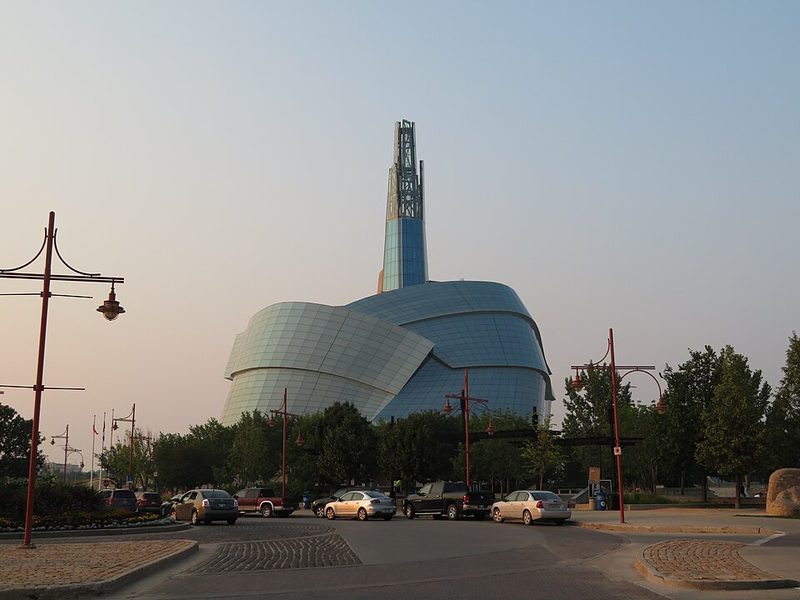
The Canadian Museum for Human Rights stands as a contemporary landmark in the city. The Royal Canadian Mint runs guided tours showing gold bars and Olympic medals; the building's reflective exterior glows orange under prairie sunsets. The Winnipeg Art Gallery holds collections of Indigenous and Inuit art. In the French-speaking St. Boniface neighbourhood, Le Musée de Saint-Boniface Museum occupies a building that has stood at the heart of the community for over 170 years. The museum explores Métis history and the broader story of Manitoba's founding, including Louis Riel, a central figure in the province's establishment. Riel House National Historic Site, operated seasonally (typically June to August), offers further historical context.
Assiniboine Park and Outdoor Spaces
Assiniboine Park provides extensive outdoor space west of downtown. The Assiniboine Park Zoo features a Journey to Churchill exhibit with polar bears, botanical attractions including an indoor waterfall claimed as Canada's tallest, gardens, and facilities for children. The park includes the Living Worlds Planetarium, which hosts regular astronomy shows. FortWhyte Alive, outside the central city, offers seven kilometres of groomed trails past frozen lakes where ice fishing equipment can be borrowed from the Interpretive Centre.
Food and Daily Life
Winnipeg's food culture spans tacos, established Canadian restaurants, food trucks, and patios across price points. Local speciality burgers—a standard version comes with chilli, mustard, pickles, and onions; a "Fatboy" adds lettuce, tomato, and mayonnaise—appear at spots including VJs (Main and Broadway, cash only) and Dairi Wip in St. Boniface. Markets operate throughout the city; the Forks Market remains the most visitor-oriented. Local markets including the Handmade Market, Winnipeg Punk Rock Flea Market, and Oddly Curious Market draw residents and visitors looking for local art and goods.
Economy and Institutions
Winnipeg's economy historically rested on fur trade, then railways and grain handling. That foundation shifted over generations. Today the University of Manitoba, founded in 1877 as Western Canada's first university, anchors research and student life. Motor Coach Industries, a bus manufacturer, maintains operations here. The cultural sector includes performing arts venues, live music spaces, and artist-run galleries including aceartinc, established nearly three decades ago. The 2SLGBTQIA+ community maintains visible presence and dedicated cultural engagement.
Getting There and Around
Winnipeg's position in central Canada makes it accessible by road, rail, and air from multiple directions. The city's visitor information centre operates at 21 Forks Market Road, providing current information on transport options and local services. Specific details on airport access, bus terminals, railway connections, and local transit should be verified with current providers.
Practical Notes
Winnipeg functions as a major city with normal urban services and infrastructure. Winter arrives visibly and affects everything from what to wear to how the landscape presents itself; temperatures regularly drop well below freezing from November through March. The prairie setting remains the defining feature of how the place feels and functions. Standard travel precautions apply; Canada operates under UK Level 1 (Normal precautions) according to official travel advisories, with no specific restrictions for Winnipeg. Those planning travel during the 2026 World Cup period (mid-June through mid-July, when Canada co-hosts the tournament) should check current travel logistics well in advance.