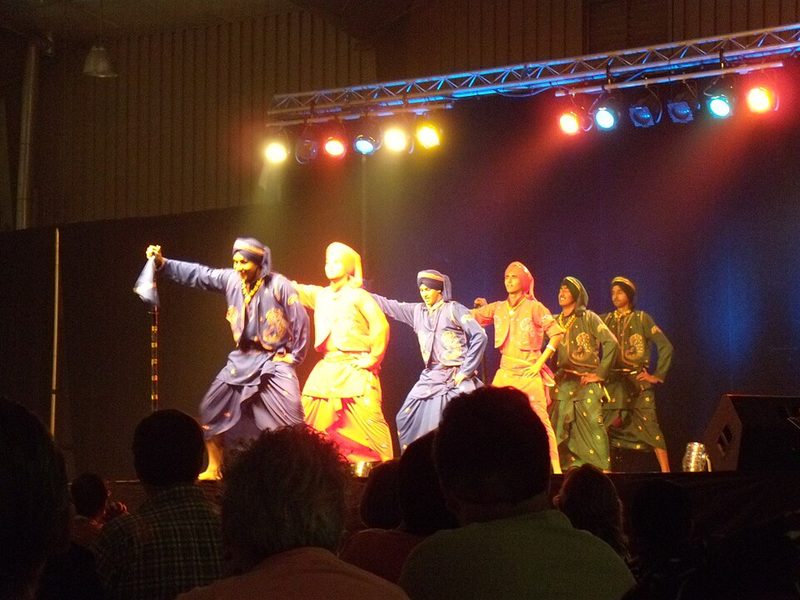
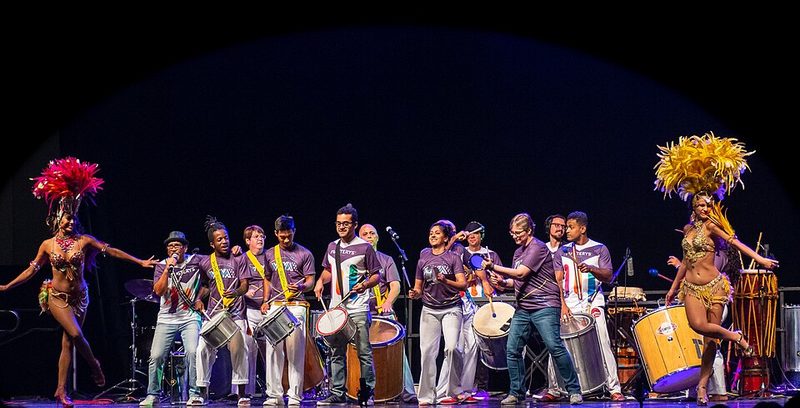
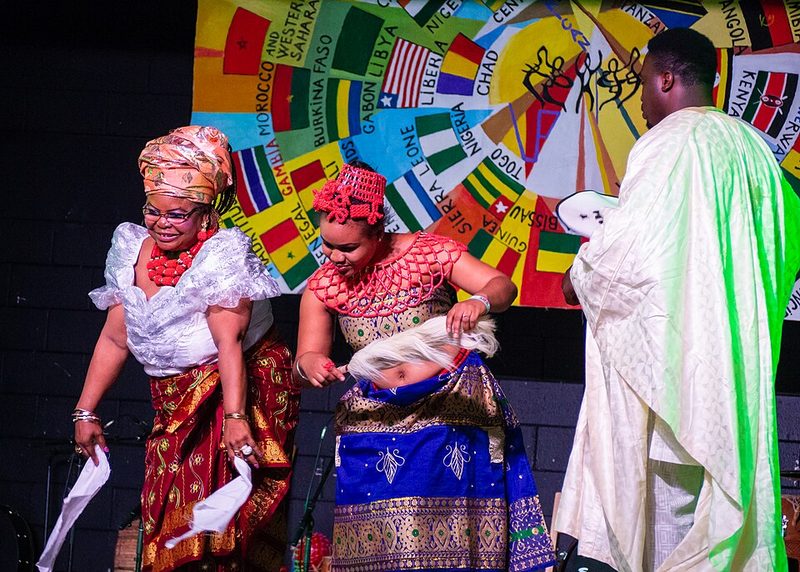
Folklorama runs for two weeks each August, presenting cultural pavilions operated by Winnipeg's ethnic communities across venues throughout the city. The 55th edition operates August 2–15, 2026, continuing a tradition established in 1970 that became the world's largest and longest-running multicultural festival. Visitors purchase tickets to attend individual pavilions—dedicated venues where specific cultural communities present traditional performances, cuisine, crafts, and displays that represent their heritage.
Structure and Origins
The festival originated as a one-time event celebrating Manitoba's centennial in 1970. The Folk Arts Council of Manitoba and City of Winnipeg jointly sponsored what they termed a Centennial Folk Festival, featuring 21 cultures and drawing 50,000 people. The overwhelming success transformed the temporary celebration into an annual institution that has operated continuously for over five decades.
Folklorama received formal recognition in 2010 from the International Council of Organizations of Folklore Festivals and Folk Arts (CIOFF), which determined it to be the largest and longest-running festival of its kind globally. This designation reflects both the event's duration—two consecutive weeks rather than a weekend—and its scale, with dozens of cultural pavilions operating simultaneously across the city.
How the Pavilion System Works
Each participating culture operates a dedicated pavilion—a venue that functions as temporary cultural embassy for the festival period. Pavilions typically occupy community centres, cultural halls, or purpose-built facilities maintained by ethnic organisations. The Scandinavian Cultural Centre of Winnipeg, for example, hosts the Scandinavian Pavilion, whilst other communities use similar dedicated spaces.
Visitors purchase pavilion tickets (typically $7.50 plus service fees according to 2026 pricing) that grant admission to a specific pavilion for a scheduled time slot. Each pavilion presents a complete cultural programme including staged performances featuring traditional dance and music, displays explaining historical context and cultural practices, craft demonstrations and artisan markets, and authentic cuisine prepared by community members. The pavilion model allows deep immersion in a single culture rather than surface-level sampling across multiple groups in a single venue.
Late-night programming extends certain pavilions into evening parties with combination tickets available at $13.50 plus fees. This structure accommodates both family-oriented afternoon visits and adult evening entertainment within the same festival framework.
Cultural Communities and Participation
Folklorama's scope reflects Winnipeg's diverse settlement history. The city received multiple waves of immigration from the late nineteenth century onward, when railway expansion brought settlers from across Europe, Asia, and beyond. Ukrainian, Polish, German, Filipino, Korean, Italian, Greek, and dozens of other communities established neighbourhoods and cultural organisations that persist today.
The festival provides these communities annual opportunity for public cultural expression. Unlike passive museum exhibits, Folklorama pavilions are operated by community members—performances feature local dancers and musicians, food is prepared by community cooks using traditional recipes, and displays are curated by people with direct cultural connection. This volunteer-driven structure makes the festival both authentic expression and community-building exercise.
Tourism Winnipeg promotes Folklorama with the tagline "Travel the world without a passport," positioning the event as accessible international cultural tourism within a single city. The phrase accurately describes the festival's function: over two weeks, visitors can attend German, Ukrainian, Filipino, Korean, Indian, Caribbean, and numerous other pavilions without leaving Winnipeg's city limits.
Visitor Experience and Planning
The distributed pavilion model requires planning. Unlike festivals concentrated in a single park or neighbourhood, Folklorama venues scatter across Winnipeg, with each pavilion operating specific time slots throughout the two-week period. Visitors typically attend one or two pavilions per evening, selecting based on cultural interest and schedule availability.
Tickets for the 2026 festival go on sale June 8th through the official Folklorama website. The advance purchase system allows visitors to secure spots at popular pavilions, which can sell out for certain time slots. The festival publishes a complete pavilion directory listing which cultures participate, where each pavilion is located, and when performances occur.
Transportation between venues becomes a practical consideration. The city's geographic spread means pavilions may require driving or public transit connections. Some visitors plan their pavilion visits around geographic clusters or dedicate different evenings to different city quadrants to minimise travel time.
Cultural and Community Significance
Folklorama functions as both tourism event and community institution. For ethnic communities, the festival provides annual occasion to showcase heritage, pass traditions to younger generations, and maintain cultural practice through active participation. The volunteer requirements—performers rehearse for months, cooks prepare traditional dishes in large quantities, organisers manage venue operations—create work that reinforces community bonds and cultural continuity.
For the broader Winnipeg population, Folklorama serves as practical multicultural education. The pavilion visits expose residents to cultural traditions of their neighbours, creating cross-cultural understanding through food, performance, and conversation rather than abstract diversity rhetoric. This face-to-face cultural exchange, repeated annually over fifty-five years, has shaped Winnipeg's civic identity as a multicultural city.
The festival's August timing capitalises on prairie summer—warm weather, long daylight hours, and the seasonal peak between spring seeding and autumn harvest that historically allowed agricultural communities to gather. This scheduling differs from winter festivals like Festival du Voyageur, showing how Winnipeg's festival calendar adapts to seasonal conditions and cultural contexts.
Sources: Folklorama - Official Site • Folklorama - Wikipedia • Folklorama 2026 - Tourism Winnipeg